

LGBTQ+ Oslo: The Best Gay Bars & Clubs for 2026
I have been spending time in Oslo's LGBTQ+ scene for years, and each visit reinforces the same impression: this is not a city that merely tolerates queerness — it genuinely celebrates it. Norway legalised same-sex partnerships in 1993 and full marriage equality in 2009, and in 2026 the acceptance feels structural rather than performative. Rainbow crossings appear across Sentrum as a matter of course. Open displays of affection between same-sex couples draw no attention whatsoever. For an LGBTQ+ traveller, Oslo sits alongside Amsterdam, Berlin, and Copenhagen as one of Europe's most welcoming capitals, with the added Nordic bonus of excellent personal safety and a nightlife culture built around genuine connection rather than spectacle.
The dedicated queer scene is compact and walkable, clustered in Sentrum and within easy reach of every major hotel. A handful of historic venues anchor the community, while a broader wave of queer-friendly mainstream clubs means that Oslo nightlife as a whole is comfortably inclusive territory. This guide covers every venue worth knowing in 2026, the Oslo Pride calendar, practical rules on age limits and ID, and what to skip.
Oslo's LGBTQ+ Scene: How Safe and Welcoming Is It?
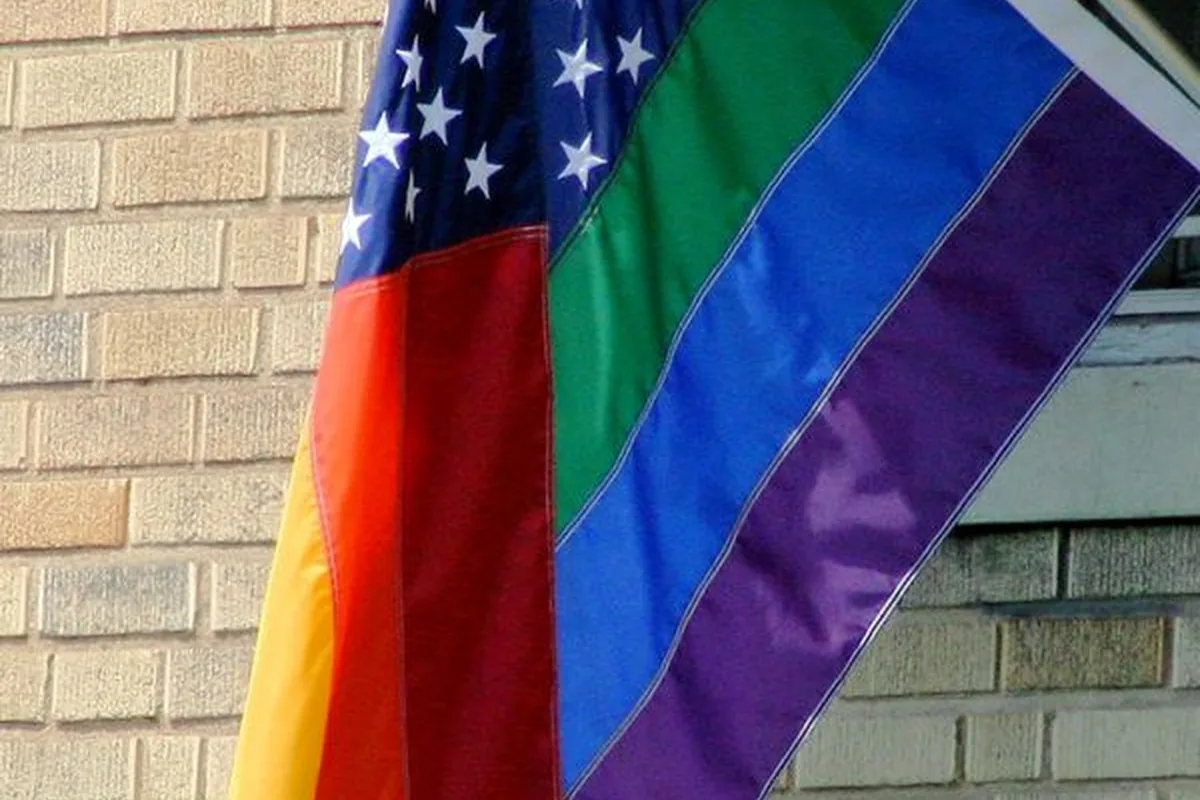
The short answer is: extraordinarily safe. Norway consistently ranks among the top five countries in Europe for LGBTQ+ legal rights and social acceptance, and Oslo's streets reflect that. Walking through Sentrum at any hour as a same-sex couple, you will attract no hostility and minimal attention. Homophobic harassment is rare to the point of being a genuine anomaly, and Oslo's police take hate-crime reporting seriously. Rainbow flags hang year-round outside businesses in the Rosenkrantz' gate area, not just during Pride Week.
The scene geography is simple to grasp. The dedicated LGBTQ+ venues sit in Sentrum, the compact central district that you can walk end-to-end in twenty minutes. London Pub and Elsker — the two main pillars of the queer scene — are both in this area. Beyond them, the queer-friendliness of Oslo's mainstream clubs means you can move from a dedicated gay venue to Jæger or BLÅ without any shift in how welcome you feel. The city's LGBTQ+ community is also supported by well-established organisations: Skeiv Verden serves queer people with immigrant and international backgrounds, while Skeivt Kulturår programmes year-round cultural events. These are not fringe outfits — they work alongside Oslo Pride and the city government.
For first-time visitors who arrive with anxiety about safety, I want to be direct: you can hold hands, kiss, and be yourselves on any Oslo street, bar, or dance floor without concern. That freedom is real in 2026, and it is one of the city's most underrated travel assets.
London Pub: The Heart of Oslo's Gay Scene
London Pub is the oldest and largest LGBTQ+ venue in Norway, and it has held that title for decades. Located in the Kvadraturen area of central Sentrum — near C.J. Hambros plass and Rosenkrantz' gate — it is the venue every Oslo local points to first and the one that defines the community's institutional memory. The building runs across multiple floors, each with its own atmosphere: a main bar for socialising and catching up with regulars, a dance floor running DJ sets on weekend nights, and a karaoke bar that is one of the most genuinely joyful experiences the Oslo nightlife scene offers anywhere, gay or straight.
The karaoke nights at London Pub are legendary among regulars. The atmosphere is warm, participatory, and inclusive in a way that polished cocktail bars cannot manufacture. Drag performances feature regularly across the programme, ranging from established Norwegian queens to international touring acts. The crowd on a Friday or Saturday covers a wide age range and is predominantly gay male, though the full spectrum of the LGBTQ+ community turns up, especially during theme nights and special events.
A note that belongs in any honest account of London Pub: on 25 June 2022, a gunman opened fire near the venue during Oslo's Pride celebrations, killing two people. It was a devastating event that shook the community deeply. What followed was remarkable: the Pride parade went ahead the next day as a peaceful march of solidarity and defiance, drawing record crowds. London Pub reopened and has since remained the beloved centre of Oslo's LGBTQ+ scene. The community's response — meeting grief with togetherness — only deepened the venue's place in the city's story. Oslo remains a safe and welcoming destination, and the resilience shown in 2022 reflects how deeply rooted LGBTQ+ life is here.
For practical information: check London Pub's Instagram and website for current opening hours, DJ night schedules, and door prices, as these shift by season and event. On a standard weekend club night, expect beer in the 100 to 120 NOK range at the bar. The door age is 20 and strictly enforced — carry your physical passport.
Elsker and the Central Queer Bar Strip
Elsker is the other mainstay of Oslo's dedicated LGBTQ+ scene, operating as a popular queer bar and club in the same central Sentrum neighbourhood as London Pub, close to the Rosenkrantz' gate area. Where London Pub carries institutional weight and a broad age mix, Elsker skews slightly younger and feels more like a contemporary queer bar than a historic institution. The crowd is mixed — gay, lesbian, bi, trans, non-binary, and allies — and the atmosphere is energetic without being overwhelming. Dancing starts properly after midnight, and themed nights and drag events feature consistently through the programme.
A good Oslo LGBTQ+ evening often works like this: arrive at Elsker around 22:00 for its livelier early-night energy, have a drink or two, take in whatever themed programming is running, then walk the short distance to London Pub's dance floor from midnight onward. Both venues cover different emotional registers — Elsker's vibe is social and playful, London Pub's late-night dance floor is more committed — and the two complement each other well as a two-stop evening. Check Elsker's Instagram for the weekly programme; they post it reliably and the themed nights (everything from 1990s pop sets to bear nights) sell fast.
If you want to warm up the evening before hitting the queer scene, Oslo's craft beer culture is worth engaging with before Vinmonopolet closes. An Oslo Beer Tour is a genuinely fun way to explore the local brewing scene in the afternoon and early evening, setting you up for a lighter spend at the bar later. The tour covers multiple craft spots and gives useful context for understanding Norwegian drinking culture, including the vorspiel pre-gaming tradition.
Beyond London Pub and Elsker, keep your eyes on Oslo's bar scene more broadly in 2026. The queer-friendly bar landscape is growing, with smaller venues in Sentrum and Grønland making visible efforts to welcome LGBTQ+ customers. These places are best discovered through local community Instagram accounts and word of mouth rather than guidebooks — the scene moves faster than any printed source can track.
Drag Shows, Karaoke, and Themed Nights
Drag culture in Oslo is thriving and has become one of the defining elements of the city's queer entertainment calendar. London Pub hosts regular drag shows with a mix of Norwegian queens and international touring performers. The quality ranges from intimate lip-sync sets on quieter nights to fully produced show performances on larger bookings during Pride Week. Elsker also programmes drag events, often tied to themed evenings that draw specific subcommunities within the broader LGBTQ+ crowd.
The karaoke nights at London Pub deserve a paragraph of their own. In a city where social reserve is the default register, the London Pub karaoke room breaks all the usual Scandinavian rules. People take the microphone who you would not expect to take it, the crowd is vocally supportive, and the LGBTQ+ karaoke energy in a city as accepting as Oslo creates something that feels rare and worth experiencing on its own terms. These nights tend to run on specific weekdays and Sundays — check the venue calendar to find the right night, as the programme rotates.
Themed nights across the two main venues cover a wide range: bear nights, fetish-adjacent events, decade-specific music sets (90s and 00s pop are perennial favourites), women-only nights, and queer rave formats that borrow from the Berlin/Amsterdam underground scene. During Pride Week in late June, the programming across both venues escalates significantly — drag brunches, all-day Pride parties, and ticketed club nights that sell out in advance. Outside Pride, the schedule is consistent but lighter; plan around it by checking Instagram the week of your visit.
Skeivt Kulturår, the Norwegian LGBTQ+ cultural year organisation, runs events beyond the club environment — queer film screenings, literary events, and art programming. If you are in Oslo for more than a weekend, their calendar is worth checking alongside the bar and club programmes for a fuller picture of what the community offers.
Queer-Friendly Mainstream Clubs: Jæger, BLÅ, and Beyond
One of the most practically useful things to know about Oslo nightlife in 2026 is that LGBTQ+ inclusion in mainstream clubs is genuinely the norm rather than an aspiration. Unlike some European capitals where LGBTQ+ travellers restrict themselves to dedicated venues out of reasonable caution, in Oslo you can take the dance floor at virtually any club without concern. The Scandinavian social contract around personal expression is deeply embedded, and same-sex couples dancing or showing affection in mainstream venues draws no hostility and minimal attention.
Jæger at Grensen 9 is worth singling out. This house and disco institution has always attracted a mixed and broadly queer-friendly crowd, and it has hosted dedicated queer nights as part of its rotation. Even on a standard booking night, the inclusive culture of the venue — reinforced by its music-forward crowd and the quality of the DJ programming — makes it a comfortable space for LGBTQ+ visitors. The age limit is typically 20 on weekdays and 22 on Saturdays, and cover runs 100 to 150 NOK. Check their Instagram for any specifically queer events in 2026.
BLÅ on the Akerselva riverside in Grünerløkka occupies a different register — it is Oslo's alternative and indie heartbeat, a former industrial building that hosts live music, indie club nights, and queer-tagged events within its wider programme. The crowd skews creative and open, and the riverside patio in summer is one of the most relaxed and inclusive outdoor spaces in the city. The Frank Znort Quartet's free Sunday jazz sessions have been running for years and draw a mixed, welcoming crowd that includes a strong queer contingent. For detailed reviews of both Jæger and BLÅ and the full club landscape, my guide to the best clubs in Oslo covers the scene comprehensively.
The broader electronic music scene in Oslo — techno clubs like The Villa, house nights at various Torggata venues — also carries the queer-friendly DNA that characterises the international underground dance music world. These are not LGBTQ+ venues by identity, but they are deeply welcoming environments for queer travellers who want to experience the city's music scene outside the dedicated gay bars. Oslo in 2026 allows you to move freely between dedicated queer venues and the mainstream nightlife map without any change in your comfort level.
Oslo Pride 2026: The Annual Calendar
Oslo Pride is the largest LGBTQ+ event in Norway and one of the major Pride celebrations in Northern Europe. In 2026, Pride Week runs in the final week of June, culminating in the main Pride Parade on the Saturday. The Pride Park — typically set up in the central Spikersuppa area near the National Theatre — runs programming for multiple days leading up to the Parade, including concerts, debates, community stalls, and evening parties. Check the official Oslo Pride website (oslopride.no) for the 2026 programme, confirmed dates, and ticketed event information, as specifics are announced progressively through the spring.
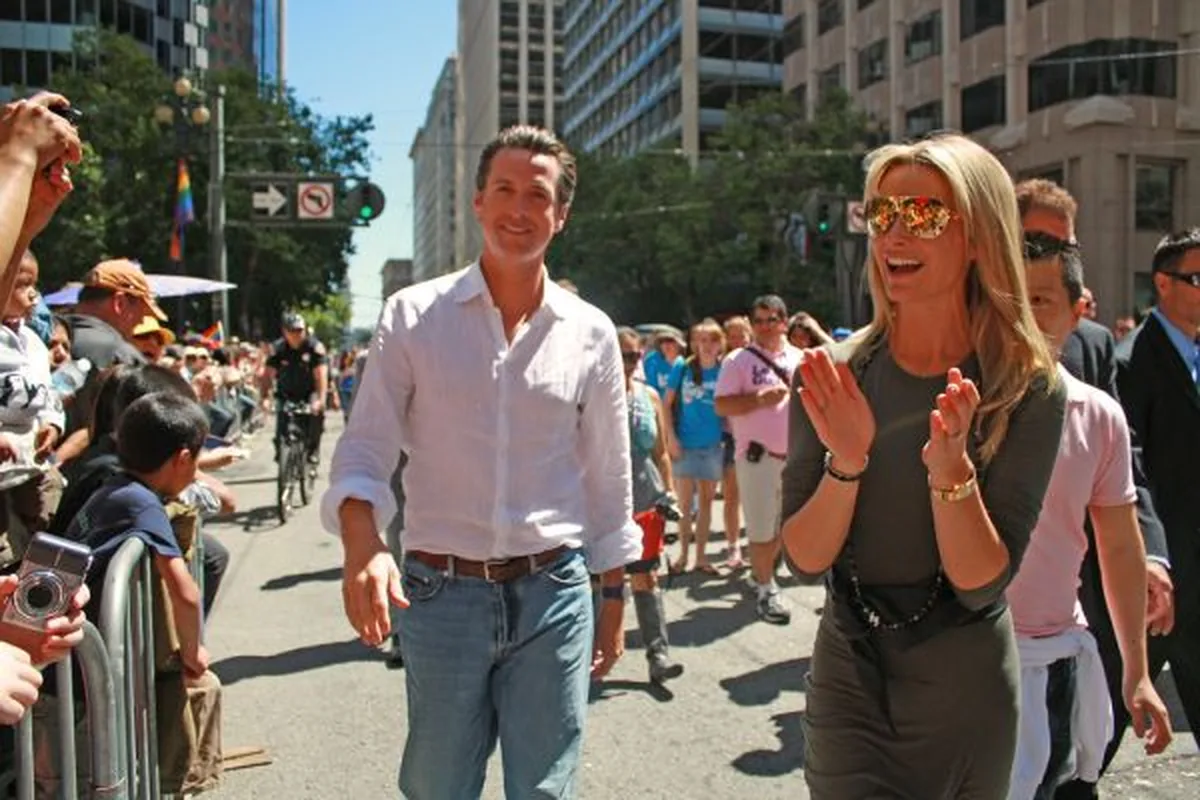
The Pride Parade itself is one of the more moving experiences Oslo offers any visitor. It passes through the city centre with thousands of participants and tens of thousands of spectators, and the atmosphere manages to be simultaneously celebratory and politically grounded. Since 2022, the Parade has carried particular emotional weight — subsequent years have drawn record crowds and reflect the community's decision to respond to tragedy with solidarity and presence. Attending in 2026 is attending a living piece of Oslo's collective history.
The Pride Week party programme spreads well beyond the dedicated LGBTQ+ venues. Mainstream clubs across Sentrum and Grünerløkka run themed nights and fly the rainbow flag with genuine intent during this week. London Pub and Elsker shift into what amounts to a festival mode, with extended programming, bigger bookings, and significantly higher capacity. Tickets to the headline club nights sell out weeks in advance — buy them through the venue websites or via Oslo Pride's official event channels rather than leaving it to the week.
For visitors whose trips do not coincide with Pride Week, Oslo's LGBTQ+ scene operates consistently year-round. The winter months from November through February are, counterintuitively, some of the most intimate and community-focused months at London Pub: smaller crowds, regulars who know each other, the kind of warmth that a Scandinavian winter night and a good bar naturally produce together. July can be slightly quiet as Norwegians head to summer cabins, but August and September bring both the local crowd and a wave of international visitors that gives the scene a particularly lively energy.
Practical Tips: Age Limits, ID, Prices, and Getting Home
Norway's alcohol laws are some of Europe's strictest, and they apply uniformly regardless of the venue. The legal drinking age is 18 for beer and wine and 20 for spirits. Gay bars and mainstream clubs alike set their own door age, which is typically 20 for most LGBTQ+ venues in Oslo. During special events — certain Pride club nights, exclusive themed evenings — the door age may rise to 22 or 23. Always check the specific venue's Instagram the day of your visit, as this information is posted in the event listing and changes without general notice.
ID is non-negotiable. You must carry a physical passport or a European national ID card with a chip and photograph. Driver's licences from outside the Nordic countries are routinely refused by door staff at London Pub, Elsker, and every Oslo nightlife venue. Smartphone photos of your passport are always rejected. This rule applies as strictly at 23:00 as it does at 01:00 — Oslo door staff are consistent and professional. Keep your actual passport with you rather than in the hotel safe on nights out.
Prices in Oslo are high by European standards but predictable once you know the range. Beer inside Sentrum queer venues runs 100 to 130 NOK for a standard pour; cocktails reach 160 to 200 NOK. Spirits are available inside licensed venues but purchase from Vinmonopolet (the state alcohol monopoly) for home or vorspiel use must happen before it closes — 18:00 on weekdays and 15:00 on Saturdays. Grocery stores sell beer up to 4.75% ABV until 20:00 on weekdays and 18:00 on Saturdays. Pre-gaming (vorspiel) at your accommodation before going out is the standard Norwegian move and will cut your nightlife spend significantly. Door fees on weekend club nights at London Pub vary by event; check the venue's website or Instagram post for the specific night.
Getting home after 03:00 when venues close is straightforward. The Ruter night bus network (lines 1N through 4N) runs every 30 minutes from approximately 00:30 to 04:30, with a flat fare of 44 NOK payable via the RuterBillett app. A taxi across Sentrum costs 150 to 250 NOK, rising with surge pricing to 350 NOK on peak Saturday nights. Given how compact Oslo's centre is, walking is usually the fastest option — and the city is genuinely safe at 03:30, a fact that Oslo residents take for granted and visitors repeatedly find surprising. For a full cocktail bar pre-drinks itinerary before hitting the queer scene, see our guide to cocktail bars in Oslo, and for pre-drinks bar options at every price point, the best bars in Oslo guide covers the full landscape.
One practical note specific to the queer scene: all Oslo bars and clubs — LGBTQ+ venues included — must stop serving alcohol by 03:00 by municipal law, and venues clear the dance floor by 03:15 to 03:30. Cover fees are almost universally payable by card (Vipps, Visa, Mastercard); several venues have gone fully cashless. A cloakroom is standard at most clubs at 40 to 70 NOK per item — worth every krone between October and April when outdoor temperatures can sit below zero. Keep your coat-check receipt safe; losing one creates an extended and expensive argument at 03:00.
Top Gay Bars and Clubs in Oslo at a Glance
Five venues and events worth committing to memory before your trip. I have listed these in the order I would send a first-time visitor to Oslo's LGBTQ+ scene, based on community importance and consistency of experience in 2026.
- London Pub — Oslo's oldest and most celebrated LGBTQ+ institution; multiple floors with a dance club, drag performances, and a legendary karaoke bar; age 20+; Kvadraturen/Sentrum area near C.J. Hambros plass; check website and Instagram for current club night schedule and door fees.
- Elsker — popular queer bar and club for a younger, mixed LGBTQ+ crowd; regular dancing, drag nights, and themed events; age 20+; central Sentrum near Rosenkrantz' gate; programme posted weekly on Instagram.
- Jæger — Oslo's premier house and disco club with a consistently queer-friendly crowd and occasional dedicated queer nights; age 20 to 22; Grensen 9, Sentrum; cover 100 to 150 NOK; check Instagram for any specifically LGBTQ+ programming.
- BLÅ — alternative and indie riverside venue in Grünerløkka; queer-welcoming culture embedded in the broader programme; free Sunday jazz (Frank Znort) is one of the city's most inclusive evenings; age 20; Brenneriveien 9C; cover 0 to 200 NOK depending on the night.
- Oslo Pride (late June) — city-wide LGBTQ+ celebration centred on Pride Park and the Saturday Parade; London Pub and Elsker run festival-mode programming throughout; tickets to headline club nights sell out in advance; confirm 2026 dates and programme at oslopride.no.
On a single-night visit, start at Elsker around 22:00 for early-night energy and a drink, then walk to London Pub from midnight for the dance floor and karaoke. That sequence covers the essential Oslo LGBTQ+ experience without requiring taxis, late queues, or any prior local knowledge beyond what this article has given you.
What to Skip in Oslo's LGBTQ+ Scene
Skip any bar on or immediately off Karl Johans gate that flies a rainbow flag during Pride Week but offers no genuine LGBTQ+ programming the rest of the year. These establishments trade on temporary inclusivity signals during the most commercial stretch of the Pride calendar, charge tourist prices, and offer nothing that London Pub or Elsker cannot provide better. They are easy to spot: aggressive promoters on the pavement, generic chart music, and staff with no knowledge of the actual queer community. Keep walking toward Rosenkrantz' gate.
Do not rely on hotel concierge recommendations for the LGBTQ+ scene. The average Oslo hotel concierge sends tourists to the most central, Google-searchable result rather than the venues that genuinely matter to the community. Instagram, local queer community pages, and recommendations from actual regulars at London Pub or Elsker will serve you far better. If you arrive without a plan, simply walk to Rosenkrantz' gate and let the evening organise itself from there.
Avoid arriving at dedicated queer venues before 22:30. Not because the venues are poorly run at that hour, but because the Norwegian vorspiel culture means the crowd genuinely does not arrive until well past midnight. Showing up at 21:00 means paying for drinks in a near-empty room. Use the earlier hours for a pre-drinks bar, a good dinner, or a craft beer tour, and save the dedicated venues for when Oslo actually comes alive.
Frequently Asked Questions
Is Oslo safe for LGBTQ+ travellers in 2026?
Yes. Norway is one of the world's most LGBTQ+-friendly countries, and Oslo's streets, bars, and venues reflect that at every level. Open displays of affection between same-sex couples are completely normal and draw no hostile attention. Homophobic harassment is very rare. Oslo Pride is a major annual celebration with strong community and government support. The city remains a safe and welcoming destination for LGBTQ+ travellers in 2026.
What is the best gay bar in Oslo?
London Pub is Oslo's oldest and most celebrated LGBTQ+ venue, with multiple floors offering a dance club, regular drag performances, and a beloved karaoke bar. For a younger, more mixed queer crowd with strong themed nights and dancing, Elsker is the top pick. Both are located in the Sentrum area and work perfectly as back-to-back stops in the same evening — start at Elsker around 22:00, then move to London Pub's dance floor from midnight onward.
When is Oslo Pride 2026?
Oslo Pride Week typically runs in the final week of June, with the main Pride Parade on the Saturday. In 2026 this falls at the end of June. Check the official Oslo Pride website at oslopride.no for the confirmed programme, Pride Park dates, and ticketed party information, as full details are released progressively through spring 2026. Headline club night tickets at London Pub and Elsker sell out in advance, so book early once the programme is published.
What ID do I need for gay bars in Oslo?
You need a physical passport or a European national ID card with a chip and photograph. Driver's licences from outside the Nordic countries are refused at the door of Oslo nightlife venues, and smartphone photos of your passport are always rejected. The door age at London Pub and Elsker is typically 20 and strictly enforced. For special events, the limit may rise to 22 or 23 — always check the venue's Instagram the day of your visit. Carry your actual passport, not a copy.
Oslo's LGBTQ+ scene is small in size but immense in spirit and history. London Pub and Elsker carry decades of community memory; Jæger, BLÅ, and the broader mainstream nightlife scene welcome queer travellers as a matter of genuine cultural course; and Oslo Pride turns the entire city centre into one of Northern Europe's most moving annual celebrations every late June. In 2026, at a moment when LGBTQ+ rights face pressure in many parts of Europe, Oslo stands as a clear reminder of what a structurally accepting city actually looks and feels like on the ground, not just on paper.
Buy your vorspiel supplies from Vinmonopolet before it closes at 18:00 on weekdays or 15:00 on Saturday, carry your physical passport, arrive at London Pub around 22:45 for the smoothest entry, and let the night unfold at its own Oslo pace. The karaoke bar tends to reach peak chaos — and peak joy — just after midnight.