

The 12 Best Cocktail Bars in Oslo for 2026
I spent the better part of three years drinking my way through Oslo's bar scene before I felt confident calling it a cocktail destination. Norway is not the first country that comes to mind when you think of craft drinks — the state wine and spirits monopoly closes at six, a Negroni can run 180 NOK before you have even sat down, and the whole city shuts last orders at 03:00. But somewhere between Himkok landing on the World's 50 Best Bars list and a wave of young bartenders returning home from stints in Copenhagen and London, Oslo quietly became one of Europe's most credible cocktail cities. This guide was updated in June 2026 and covers every spot I genuinely recommend, with honest prices and the practical information that generic roundups skip.
The scene splits roughly into two geographic pockets: Sentrum and Grünerløkka. Sentrum holds the flagship distillery bars and the polished hotel lounges; Grünerløkka runs warmer, more neighbourhood-focused, with natural wine lists that often intersect the cocktail world. For a broader picture of evenings out in the Norwegian capital — clubs, live music, jazz, and the full late-night arc — start with the Oslo nightlife guide. Here we stay focused on cocktail bars specifically, the places where what is in the glass matters as much as the room around it.
Why Oslo Cocktails Cost 150–200 NOK and Why That Is Worth It
Before you see your first bill and consider switching to water, it helps to understand where the price actually comes from. Norway operates a state alcohol monopoly called Vinmonopolet, which is the only retail outlet permitted to sell wine and spirits above 4.75 percent ABV. The shops close at 18:00 on weekdays and 15:00 on Saturdays, and they are shut entirely on Sundays. This means that every bottle of rum, vermouth, or amaro behind a bar arrived through Vinmonopolet's wholesale arm, with import duties, value-added tax at 25 percent, and the bar's margin stacked on top.
The result is a cocktail floor of roughly 150 NOK for something simple, rising to 180 to 220 NOK for complex signatures with house-made syrups, aquavit infusions, or imported modifiers. The saving grace is quality: bartenders here work with serious intent, portion sizes are honest, and the ingredient sourcing at the best bars is genuinely impressive. Oslo competes internationally on cocktail craft, and the price reflects that ambition.
Happy hours exist, though they operate earlier than visitors expect. Most bars run reduced drink prices from opening until around 19:00 or 20:00. If you can arrange your evening to start around 18:30, you will often save 40 to 60 NOK per cocktail. After 20:00 the window closes and full prices resume without exception. Vinmonopolet's weekday closing time of 18:00 also means any pre-drinks at your accommodation — Norwegians call it "vorspiel" — needs wine or spirits bought before you head out for the day. Plan ahead, or pay the bar price all night.
Himkok: Oslo's World-Class Distillery Bar
Himkok at Storgata 27 is the bar that put Oslo cocktails on an international map. It has appeared on the World's 50 Best Bars list across multiple editions, which for a Norwegian capital with a population of 710,000 is a genuinely remarkable achievement. The concept is a working micro-distillery attached to a full cocktail bar, so when the menu lists an aquavit-based drink, the aquavit was likely made in the same building a few weeks earlier. That coherence of production and service gives Himkok a character that styled hotel bars cannot replicate.
The space spreads across multiple rooms. The main bar faces the still room through a glass panel so you can watch the distillation process while you drink. A cider room towards the back runs a short-pour tasting experience built around house-produced fruit ciders. The menu changes seasonally, but the anchoring category is always Norwegian aquavit — aged, white, or flavoured with local botanicals. If you have never had aquavit in a cocktail before, this is the correct first encounter.
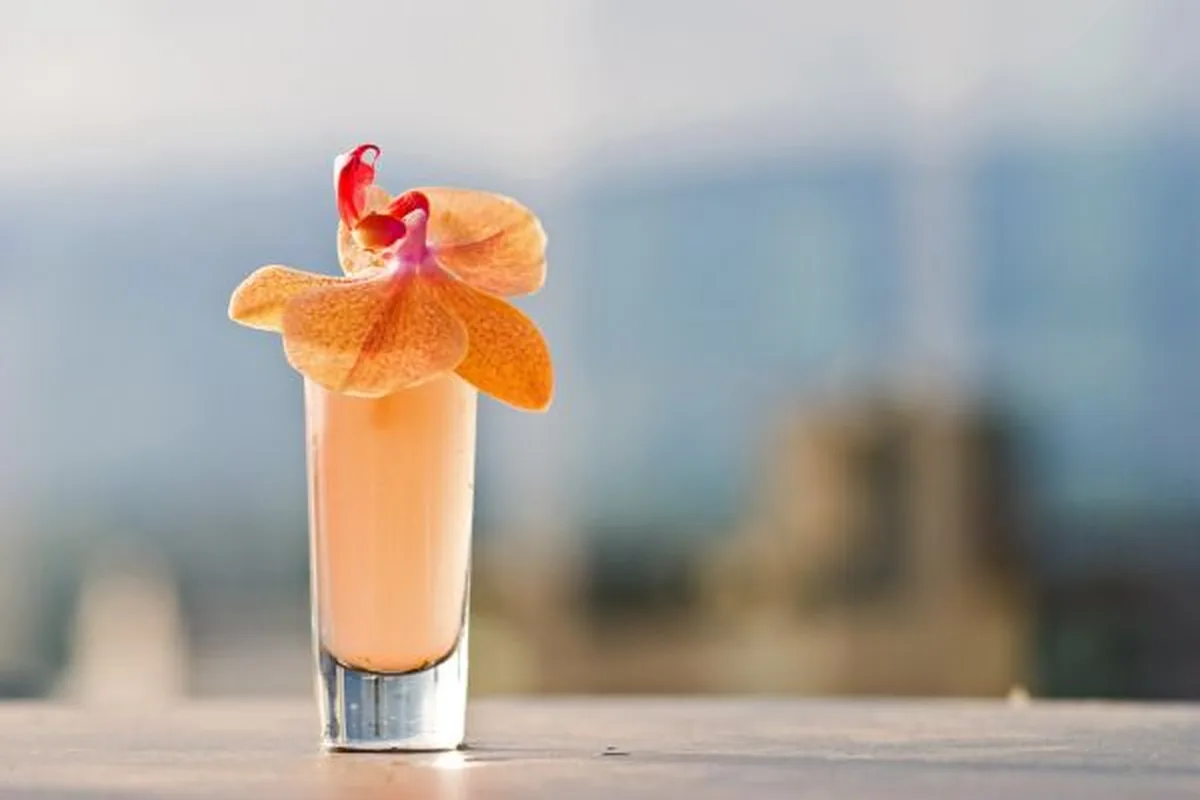
Walk-ins at Himkok are realistic earlier in the week and before 20:00 on Fridays and Saturdays. After that, seating fills quickly and there is sometimes a short wait at the door. Cocktails are priced in the 170 to 200 NOK range; a flight through three of their house spirits runs slightly higher. Given that this bar competes internationally and places consistently among Europe's best, it is priced below what a comparable room in Copenhagen or London would charge. Check their Instagram before visiting for any sold-out private event that might affect walk-in access.
Fuglen: Midcentury Design and Serious Nordic Drinks
Fuglen at Universitetsgata 2 is Oslo's most photographed bar, and for once the photographs do not mislead. The room is a genuine archive of midcentury Norwegian design — chairs, lamps, ceramics, and textiles from the 1950s and 1960s arranged as if a stylish architect left for a long lunch and never returned. Many pieces are for sale; price tags dangle from chair legs and lamp bases throughout the evening.
By day, Fuglen operates as a coffee shop and design showcase. From around 18:00, the café transitions into a cocktail bar with a focused, intelligent menu. The drinks lean Nordic — expect aquavit appearing in multiple signatures, seasonal fruit and herb infusions, and an approach to sweetness that is restrained compared to mainstream cocktail bars elsewhere in Europe. If you find most cocktails too cloying, Fuglen's menu will fit you well. Prices run 150 to 190 NOK for their signature drinks, with a handful of classic European serves alongside the house originals.
Fuglen is popular with Oslo's creative and design community, so the crowd leans slightly older than university-age and decidedly well-dressed in a casual-Nordic way. The room is small enough that arriving before 20:00 on a Friday or Saturday gives you a realistic shot at a seat; after 21:00 it is often standing only. It works best as an opening stop — arrive for the last of happy hour, settle in for two rounds, then move on to Himkok or one of the hotel bars for the later part of the night.
Hotel and Waterfront Cocktail Bars: The Thief at Tjuvholmen
The Thief hotel bar at Tjuvholmen occupies one of Oslo's most dramatic pieces of waterfront real estate. Tjuvholmen — literally "Thief Island" — is a regenerated harbour neighbourhood west of Aker Brygge with contemporary architecture, a Renzo Piano-designed art museum, and direct sightlines across the Oslofjord. The bar runs cocktails at the premium end of the Oslo market, typically 180 to 220 NOK, but the harbour view through full-height windows is part of what you pay for, and during golden hour in a Norwegian summer the room becomes genuinely spectacular.
The cocktail programme at The Thief tilts toward classic serves and well-executed riffs on the canonical canon — Old Fashioned, Negroni, Espresso Martini — rather than the experimental distillery-forward direction of Himkok. If you are with someone who finds the aquavit-heavy menus at Oslo's craft bars uninviting, The Thief provides a shared middle ground. The staff are professional and unhurried in the way hotel bar staff can afford to be when the room is not fighting for covers. Reservations are straightforward via the hotel website; walk-in space exists at the bar counter itself even when the lounge tables are fully booked.
Beyond The Thief, the Tjuvholmen and Aker Brygge waterfront holds bar terraces that work well in summer as outdoor spots after visiting the Astrup Fearnley Museet next door, though these are casual options rather than destination cocktail bars. For a serious cocktail experience on the waterfront, The Thief remains the highest-quality choice in that part of the city.
Speakeasy and Hidden Bars: Oslo's Intimate Secret Rooms
Oslo has a growing hidden-bar and speakeasy trend that suits the city's preference for intimacy over spectacle. The most established example is Gustav, the jazz club in the basement of the Amerikalinjen hotel at Jernbanetorget 2. The room holds fewer than 60 people, is styled as a 1920s New York private club, and combines live jazz with a short, thoughtful cocktail list. Reservations are strongly recommended — sessions book out quickly on weekends. Cocktails run 170 to 200 NOK.
Outside of Gustav, several Oslo bars run a room-behind-a-room dynamic: a public-facing bar at street level that conceals a quieter space accessible through an unmarked door or staircase. The speakeasy aesthetic appeals strongly to Oslo's design-conscious drinking culture, and several of the city's best new openings since 2024 have leaned into the format. Check local nightlife accounts on Instagram for current hidden-bar finds, since these formats cycle as new owners arrive.
One practical note: Oslo's licensing rules mean that hidden and speakeasy-format bars operate under standard Norwegian hospitality licenses. The alcohol service rules are identical to any other venue: last drinks at 03:00, the legal drinking age is 18 for beer and wine and 20 for spirits, and a physical passport or national ID card is required. The secret-door concept changes the mood but not the regulatory environment. For a full night that sequences a hidden-bar cocktail session with dancing, the best clubs in Oslo guide covers the venues that work well as a later destination.
Grünerløkka vs Sentrum: Choosing Your Cocktail Neighbourhood
The choice between Grünerløkka and Sentrum for a cocktail evening describes two different moods. Sentrum is where Oslo's most technically ambitious bars operate — Himkok, the hotel lounges, and the bars that attract international attention, with polished room formats and mixed-age crowds who come specifically for the drinks.
Grünerløkka runs looser and warmer. The neighbourhood has always been Oslo's bohemian quarter — independent shops, record stores, vintage clothing, coffee roasters — and its bar scene reflects that. Bar Brutus is a local favourite, known for creative drinks that cross between natural wine and low-intervention cocktails; the kind of place where the bartender knows the vermouth producer personally. Territoriet leads with an exceptional natural wine list in a warm candlelit room. Neither is a cocktail bar in the conventional sense, but if your palate runs toward lower-ABV, wine-adjacent drinking over spirit-forward classics, these are your Grünerløkka anchors.
A sensible tactic is to begin in Grünerløkka before 20:00 to catch happy hour pricing, then migrate toward Sentrum for a second round at Himkok or Fuglen when the Grünerløkka scene winds down. Walking between the two takes fifteen minutes along Storgata. If your evening extends further, the best bars in Oslo guide includes transitional spots that bridge the two neighbourhoods.
Tiki, Tropical, and Fun: Pier 42 and Aku-Aku
Not every cocktail evening needs to be earnest. Oslo's tiki scene is small but enthusiastic, and the two main venues in this corner of the market offer a useful reset from the studied minimalism that dominates the Scandi-cocktail aesthetic. Pier 42 leans into Caribbean and tiki-inspired drinks — rum punches, mai tais, and tropical riffs built around rum and citrus — in a setting that makes no apology for being fun. The execution behind the bar is taken seriously even when the aesthetic is deliberately campy, so the drinks are well-built rather than just colourful. Cocktails run 150 to 180 NOK and the atmosphere is reliably high-energy, making it a strong pre-club stop for groups who want to warm up before a later destination.
Aku-Aku on Thorvald Meyers gate 32 in Grünerløkka is the older of Oslo's tiki operations, drawing on Thor Heyerdahl's Pacific voyages as its conceptual anchor. The walls carry exotica memorabilia, the playlist runs surf rock and retro pop, and the cocktail list reads like a corrective to the aquavit-heavy menus elsewhere in the city. It is a genuine palate cleanser between a technically demanding craft bar and a late-night club, and it works especially well as a stop for mixed groups where not everyone shares the same level of enthusiasm for experimental bar programmes. Aku-Aku keeps the vibe inclusive and the pricing approachable at 140 to 175 NOK.
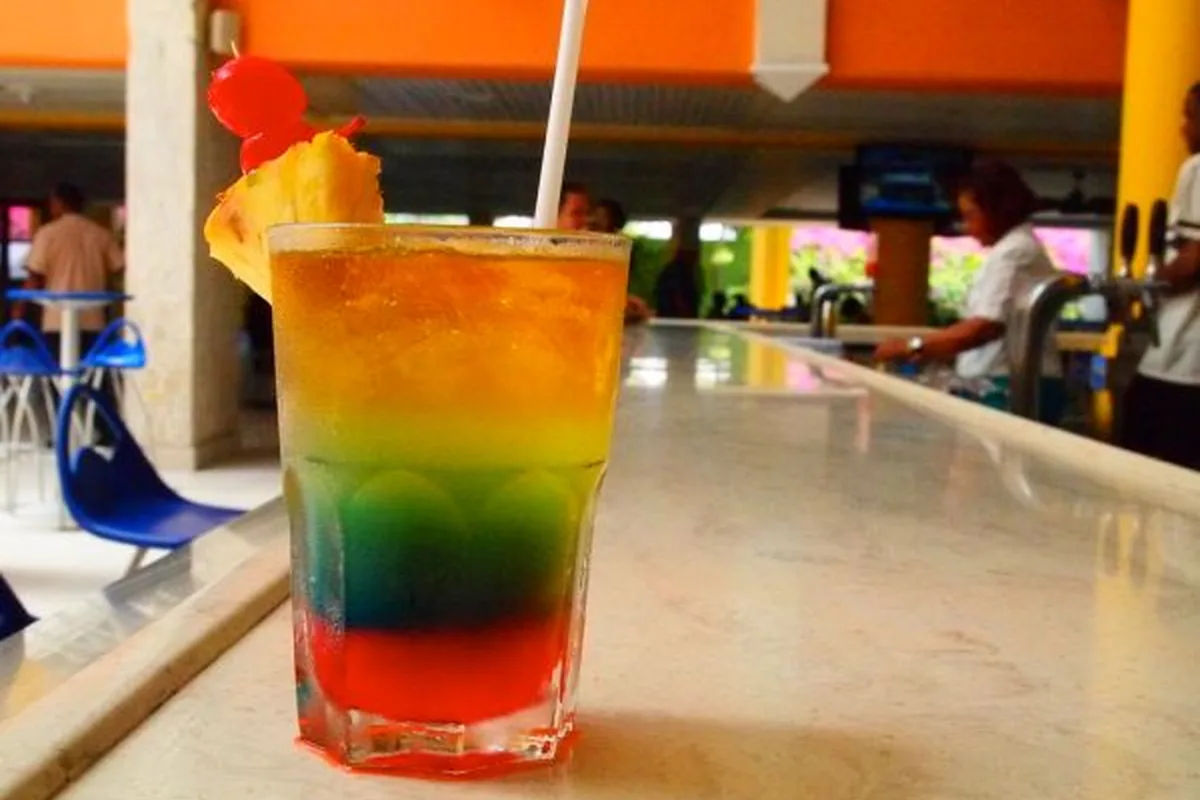
Neither venue requires advance booking; walk-ins are the norm throughout the week. If your group includes some cocktail obsessives and some people who just want a strong, fun drink, Pier 42 or Aku-Aku is where everyone wins.
The 12 Best Cocktail Bars in Oslo at a Glance
Below are the twelve bars I recommend without reservation in 2026, ordered by the quality and consistency of the cocktail programme. Prices in parentheses are typical cocktail ranges as of mid-2026 and are subject to change; all venues are card-friendly and most are cashless. Check each venue's Instagram before visiting for current opening hours and any private event closures that affect walk-in access.
- Himkok — working distillery and cocktail bar, house aquavit and seasonal menus, Storgata 27, Sentrum, 170–200 NOK.
- Fuglen — Nordic signatures in an iconic midcentury design room, Universitetsgata 2, Sentrum, 150–190 NOK.
- The Thief Bar — polished classics with Oslofjord harbour views, Tjuvholmen waterfront, 180–220 NOK.
- Gustav at Amerikalinjen — intimate speakeasy-style jazz bar, Jernbanetorget 2, reservation required, 170–200 NOK.
- Bar Brutus — natural wine and low-intervention creative drinks, Grünerløkka neighbourhood, 150–180 NOK.
- Territoriet — exceptional natural wine list with a warm, candlelit room, Grünerløkka, 140–180 NOK.
- Pier 42 — tiki and Caribbean cocktails, high-energy group atmosphere, 150–180 NOK.
- Aku-Aku — classic tiki bar with Pacific exotica décor, Thorvald Meyers gate 32, Grünerløkka, 140–175 NOK.
- Cafe Sor — accessible mixed drinks in a relaxed Torggata setting before it becomes a dance floor, 120–160 NOK.
- Jaeger — solid bar programme paired with Oslo's best underground DJ nights, Grensen 9, Sentrum, 140–170 NOK.
- Skaugum — multi-level hidden courtyard bar near Solli plass, excellent in summer, 150–180 NOK.
- Brod og Sirkus — neighbourhood social bar with a reliable cocktail selection, Tordenskiolds gate 3, Sentrum, 140–170 NOK.
Oslo's rooftop season from May to September also produces temporary bar setups that occasionally match the quality of the established venues above. Follow local nightlife accounts on Instagram to track pop-up and seasonal bar announcements through 2026.
Happy Hours, Prices, and Tipping in Oslo Cocktail Bars
The single most effective strategy for managing cocktail bar costs in Oslo is timing. Happy hours are real, significant, and strictly bounded. Most bars that run a happy hour do so between their opening time — typically 15:00 or 16:00 — and 19:00 or 20:00, offering 30 to 60 NOK reductions on standard menu prices. At 150 to 170 NOK during happy hour versus 180 to 200 NOK at full price, catching that window on a two-to-three round evening saves a meaningful sum over the course of a night out.
Spirits-only drinks always carry the Vinmonopolet cost layer. Bars in Grünerløkka generally undercut Sentrum and hotel bar pricing by 20 to 30 NOK, though the gap narrows at the top end where both areas compete on quality. If you want to understand Oslo's craft beer side alongside the cocktail scene, an Oslo Beer Tour covers multiple local breweries with a guide who knows the neighbourhood production story behind each stop.
Tipping is not expected in Norwegian bar culture. Bartenders earn a living wage and service is included in the card receipt price. Rounding up 10 to 20 NOK on exceptional service is a genuine gesture rather than a social expectation; do not feel pressure to add a percentage tip in the way you would in the United States or the United Kingdom.
Essential Tips Before Visiting Cocktail Bars in Oslo
Bring your physical passport. Norway's bars enforce ID checks rigorously, and photos of a passport on a phone are refused uniformly. The legal drinking age is 18 for beer and wine, 20 for spirits. Since cocktails almost always contain spirits, the effective minimum age for a cocktail bar evening in Oslo is 20. If anyone in your group falls between 18 and 20, check whether the venue maintains a zero-proof menu before booking — several of Oslo's better bars do in 2026, but it is not universal.
All licensed premises must stop serving alcohol at 03:00 by Oslo municipal law, with most bars calling last orders a few minutes before that. Ruter night buses (1N to 4N) run every 30 minutes from 00:30 to 04:30 at a flat 44 NOK app fare — the cleanest exit from any central Oslo venue after the cocktail bars close.
Most Oslo cocktail bars are cashless or strongly prefer card payments. Visa, Mastercard, and the Vipps mobile payment app all work widely. Do not rely on NOK banknotes for bar bills in the city centre. If your card carries foreign transaction fees, a fee-free travel card is worth arranging before arrival — at 180 to 200 NOK per cocktail, those percentage fees add up over a weekend. Finally, Oslo's LGBTQ+ bar and cocktail scene has its own well-established venues with distinct programming; the Oslo gay bars and clubs guide covers those specifically rather than folding them into a general nightlife roundup.
Frequently Asked Questions
How much do cocktails cost in Oslo?
Cocktails in Oslo typically cost 150 to 200 NOK at craft and destination cocktail bars, with hotel and premium-lounge pricing reaching 200 to 220 NOK. Happy hour deals before 19:00 or 20:00 can bring prices down by 30 to 60 NOK. The high cost reflects Norway's state alcohol monopoly (Vinmonopolet), import duties, and 25 percent VAT stacked onto spirits purchases.
What is the best cocktail bar in Oslo?
Himkok at Storgata 27 is consistently ranked as Oslo's best cocktail bar and has appeared on the World's 50 Best Bars list. It operates as a working micro-distillery producing house aquavit and cider alongside a full cocktail programme. Fuglen at Universitetsgata 2 is the strongest alternative, with a Nordic-focused menu in a celebrated midcentury design room.
What time do cocktail bars close in Oslo?
All bars and cocktail venues in Oslo must stop serving alcohol by 03:00 under Oslo municipal law. Most venues clear their space between 03:15 and 03:30. Last orders are typically called 15 to 30 minutes before the legal cutoff. There are no exceptions — the rule applies uniformly to every licensed premises in the city, including hotel bars and private clubs.
Do cocktail bars in Oslo have a happy hour?
Yes. Most Oslo cocktail bars run a happy hour from their afternoon opening time until 19:00 or 20:00, with cocktail discounts of 30 to 60 NOK off the standard menu price. The window closes firmly in the early evening because Vinmonopolet, the state spirits monopoly, closes at 18:00 on weekdays and 15:00 on Saturdays, which dictates the cost structure for bars sourcing spirits.
Oslo's cocktail bars reward visitors who arrive with the right expectations: prices are high by European standards, happy hours end before most travellers think about going out, and every night ends at 03:00 regardless of how good the next round might be. Within those constraints, the quality is exceptional. Himkok alone would justify Oslo's reputation as a cocktail destination in 2026; the fact that Fuglen, The Thief, Gustav, Pier 42, and a wave of Grünerløkka independents surround it makes this one of northern Europe's most underrated scenes for serious craft drinking.
Bring your passport, plan your happy hour window, choose your neighbourhood — Sentrum for ambition and precision, Grünerløkka for warmth and natural pours — and let the Norwegian approach to hospitality do the rest. The bartenders here are genuinely proud of what they make, and it shows in every glass.