
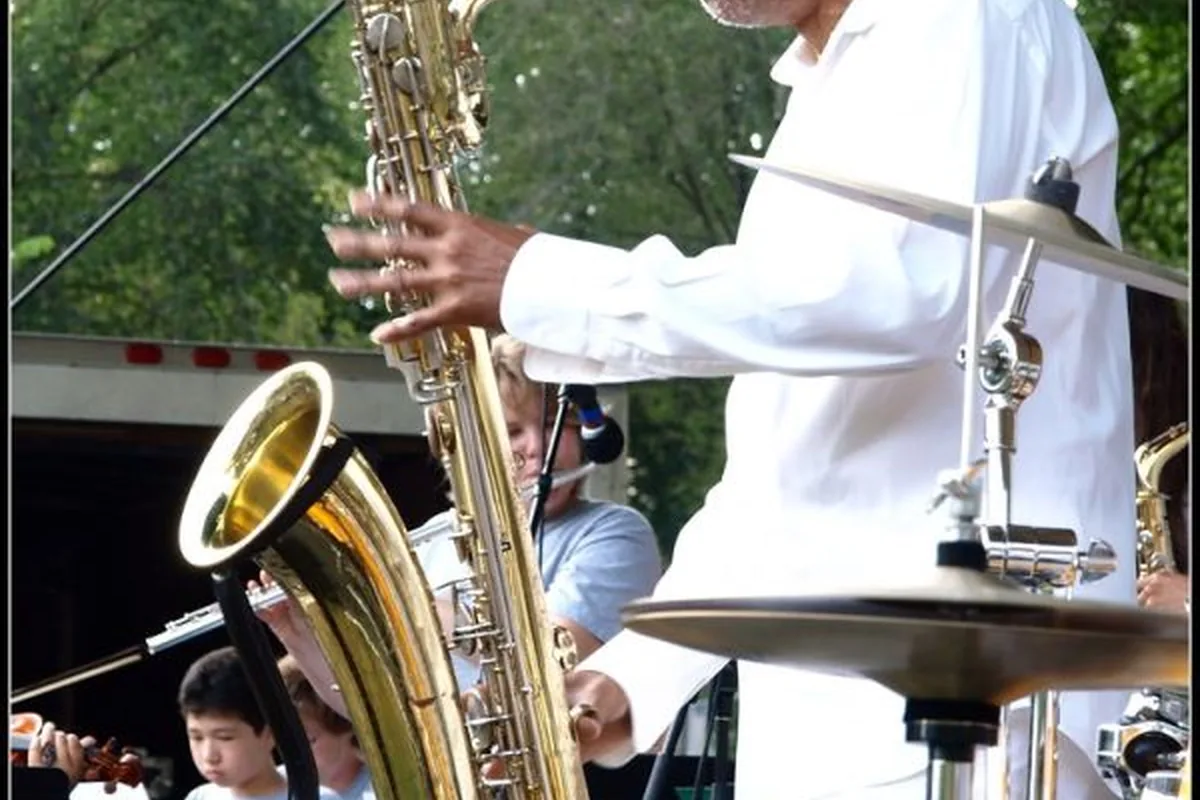
The Best Jazz Clubs in Oslo: Live Music Venues for 2026
I have spent more evenings than I can count in the back corners of Oslo's jazz clubs, and what never stops surprising me is the quality of what you find here. This is a city of 710,000 people at the far edge of northern Europe, yet its jazz tradition rivals cities three times its size. Norway has produced some of the most distinctive voices in modern improvised music — Jan Garbarek, Nils Petter Molvær, Bugge Wesseltoft — and that lineage is not historical nostalgia. It filters down into the weekly programming at a handful of genuinely exceptional venues scattered across Sentrum, Grünerløkka, and beyond. Whether you want an intimate late-night set in a candlelit room or a grand national-stage performance, the jazz clubs in Oslo deliver something that is very hard to replicate anywhere else in Scandinavia, and this guide was updated in June 2026 to reflect the current venues, ticket prices, and scheduling realities.
This page covers every venue worth your time, from the legendary Oslo nightlife institution of Herr Nilsen to the nationally funded Nasjonal Jazzscene at Victoria, the intimate speakeasy atmosphere of Gustav, and the beloved free Sunday ritual at BLÅ on the Akerselva. I have also included practical detail on tickets, timing, drink prices, and the Oslo Jazz Festival 2026 so that your evening can be planned with confidence. If you want the full club and dancing picture beyond jazz, the best clubs in Oslo guide covers the electronic and pop rooms in depth.
Oslo's Jazz Heritage: Why This City Punches Above Its Weight
The story of Norwegian jazz begins in earnest in the late 1960s and 1970s, when musicians around the Norwegian Academy of Music started fusing Nordic folk melody, extended improvisation, and Scandinavian restraint into a sound that Munich-based ECM Records would eventually make globally known. Jan Garbarek's sparse, cathedral-reverb saxophone lines, the melancholy electric lyricism of Terje Rypdal, and the lyrical bass playing of Arild Andersen became touchstones of the ECM catalog, selling hundreds of thousands of records across jazz markets from Tokyo to São Paulo and earning Oslo a reputation as a city where serious improvised music was treated seriously. The genre was not a curiosity or an import here — it was something Norwegians had reinvented in their own image.
That institutional seriousness carried forward in ways that still shape what you encounter on a night out in 2026. The Norwegian government funds jazz through Norsk jazzforum, the state cultural agency, in a way that simply has no equivalent in most European countries. Oslo's Nasjonal Jazzscene at Victoria was built specifically as a national home for the genre, not carved out of a converted pub or squeezed into a basement afterthought. The club scene that orbits this infrastructure — Herr Nilsen, which has operated as a dedicated jazz room for over three decades, and BLÅ, which folded jazz into its programming from the moment it opened beside the Akerselva — has the depth of a much larger city's scene because it draws on sustained public and private investment rather than pure commercial momentum.
What this means practically for a visitor is that you do not need to plan around a single must-see event. Oslo's jazz clubs run near-nightly schedules of real programming across the year. On any given Friday in 2026 you can choose between a Nordic folk-jazz ensemble at Herr Nilsen, a national-stage presentation at Victoria, a free post-bop residency at BLÅ, or an intimate speakeasy session at Gustav. Look up what is on the night you arrive and you will almost certainly find something worth hearing.
Herr Nilsen: Oslo's Legendary Jazz Sanctuary
If you ask a local where to go for jazz in Oslo, the first name out of their mouth is almost always Herr Nilsen. Located at C.J. Hambros plass 5, a short walk from Tinghuset courthouse in Sentrum, this is the room that has anchored the city's live jazz scene for well over three decades. The venue is intimate by design — low ceilings, exposed brick, a bar that wraps around the room, and a tiny stage that brings the performer into the audience's lap in the best possible way. International touring acts play here regularly, drawn by the room's reputation among Norwegian promoters, and the booking program runs deep enough that a mid-week Tuesday can deliver a Norwegian-American saxophonist or a touring Scandinavian quartet that you would pay two or three times the cover price to see in a larger venue elsewhere in Europe.

Shows at Herr Nilsen typically start around 21:00, though the bar opens earlier and the pre-show crowd begins gathering from 20:00 onward. Drinks run the standard Oslo range: beer at 100 to 130 NOK for a 0.4L pour, cocktails at 150 to 190 NOK. Cover charges depend on the act — small-format Norwegian ensembles often sit at 100 to 150 NOK, while international headliners can push to 200 to 300 NOK; check the Herr Nilsen website or Instagram for the specific night's entry price. The bar stays lively until around 01:00 or 02:00 on strong-programming evenings.
The room fills quickly for popular bookings and there is no advance reservation for general seating — it is first-in, first-served at the bar and at the small tables that ring the stage area. Arriving 30 to 45 minutes before the announced start time is the reliable strategy for securing a good sight line without fighting for space. Dress as you would for any smart-casual bar rather than a formal concert hall; the vibe is lived-in and genuinely friendly, not precious or scenester-gatekept. This is a room where regulars and first-timers mix without any friction, which is rarer than it sounds in a city with Oslo's strong local-versus-tourist divide on a Saturday night.
BLÅ and the Free Sunday Ritual: Jazz on the Akerselva
BLÅ, at Brenneriveien 9C in Grünerløkka, is one of those rare venues that defines a neighborhood's entire cultural identity. Set inside a converted industrial building directly on the bank of the Akerselva river, the space functions simultaneously as a live music venue, a bar, and a DJ room across a split indoor-outdoor layout that comes fully into its own during Oslo's brief summer. The riverside patio on a warm August evening, with the Akerselva running a few meters below and a jazz set drifting out through the open doors, is among the finest free-of-charge experiences the city has to offer any visitor.
The single most beloved fixture in Oslo's jazz calendar is the Frank Znort Quartet's free Sunday evening residency at BLÅ. This ensemble has been performing their weekly show for well over two decades, making it an Oslo institution in the same way that a particular market stall or a neighborhood swimming hole might anchor a city's community memory. The show is free to enter, the crowd is genuinely mixed across age and background — regulars in their sixties alongside students who discovered the residency last month — and the music ranges from post-bop to Nordic folk-inflected jazz depending on who is guesting that week. If you are in Oslo on a Sunday in 2026 and have never been to a jazz show before, this is the zero-risk entry point: no ticket to buy, no cover charge, walk in and order a beer from the bar.
On other nights, BLÅ's jazz programming sits alongside indie bands, electronic acts, and DJ sets, which means the venue never carries the single-genre focus of Herr Nilsen or Victoria. That breadth is a feature for some visitors and a minor distraction for others. Covers for non-free shows vary from nothing to around 200 NOK depending on the act. The age limit is typically 20. Check the BLÅ website or their Facebook events page for the current weekly schedule, as programming shifts noticeably by season — summer is heavier on outdoor patio shows while winter pulls everything indoors into the main room's industrial warmth.
Nasjonal Jazzscene — Victoria: Norway's National Jazz Stage
Nasjonal Jazzscene, operating under the name Victoria and located at Karl Johans gate 35 in the heart of Sentrum, is Norway's state-designated national stage for jazz. This is not a marketing claim but a literal institutional designation: the venue receives government arts funding specifically to fulfil a mission of presenting Norway's jazz culture at the highest level and in the most appropriate setting. The room itself is purpose-built, with serious stage lighting, genuinely good acoustic engineering, and a capacity that sits somewhere between an intimate club and a small concert hall — large enough to host productions of real scale, small enough that there is no seat in the house that feels separated from the performance.
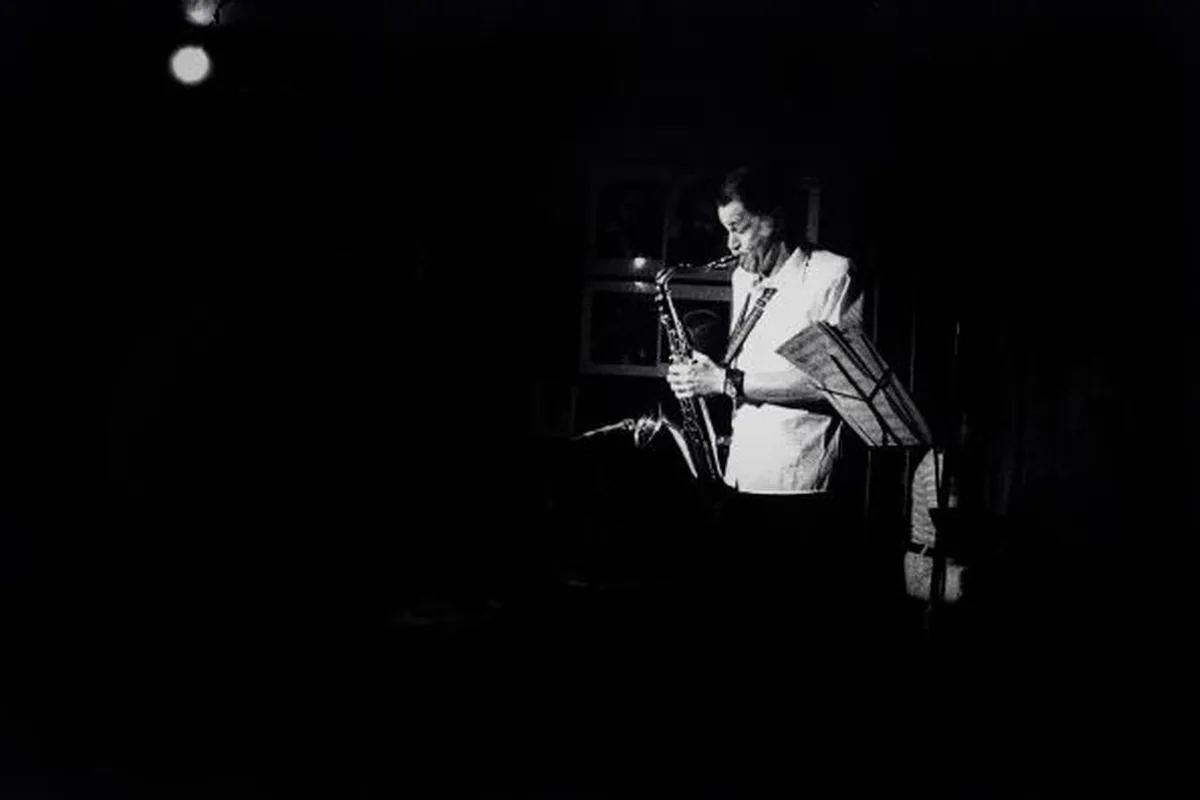
The programming at Victoria leans toward contemporary Norwegian jazz, Nordic collaborations, and international acts of genuine significance — not every touring artist who passes through Oslo, but the ones that mean something to the wider European and global scene. Tickets typically run 150 to 350 NOK depending on who is on the bill and whether it is a regular season show or a festival date. Advance booking through the Victoria website is strongly advised for any recognizable name, as the room regularly sells out within a few days of announcement. The bar is well-stocked and the staff are knowledgeable; this is a venue where asking for background on the night's performer gets you a real answer.
Victoria is also the formal anchor venue for the Oslo Jazzfestival each August, meaning the biggest names on the festival program tend to play here first. For serious jazz listeners visiting Oslo in 2026, a show at Victoria is the essential experience on the list — the venue that best explains, in a single evening, why Norway's jazz scene carries the international weight it does.
Gustav: The Upscale Speakeasy Pick
Gustav is housed in the basement of the Amerikalinjen hotel at Jernbanetorget 2, directly across from Oslo Sentralstasjon, and it is the most deliberately designed jazz space in the city. The aesthetic draws from the New York speakeasy tradition — dark wood paneling, warm lamp light, close-set tables, and a bar stocked with the kind of considered whiskey and cocktail list that takes its drinks as seriously as it takes the music. The room seats fewer than 60 people, which means that even a working trio fills the space with enough acoustic presence that you feel genuinely surrounded by the performance rather than watching at a polite distance.
Reservations are essentially mandatory rather than merely recommended. Gustav fills quickly for any act with a following, and the venue's Instagram account and website are the most reliable places to track upcoming sessions and to make a booking. Cocktails here sit at the upper end of the Oslo range — expect 160 to 210 NOK — which reflects the hotel-bar context more than any attempt to price out the jazz crowd. The quality matches the price: the bartenders know what they are building, and the spirits selection runs considerably deeper than a standard Oslo bar. Details on current programming and table reservations are available at amerikalinjen.com; check the venue's website directly as booking windows for popular evenings open and close quickly.
This is the venue to choose when you want a jazz night that feels like a complete and considered evening rather than simply a show attended. Good drinks, a room that rewards slow appreciation, human scale, and no element of the experience that works against the music. If you are planning a broader evening in Sentrum that leads into a later session at the best bars in Oslo, Gustav makes an ideal anchor at the start of the night.
Cosmopolite (Soria Moria) and World Music Beyond the Centre
Slightly north of the main nightlife belt, in the Torshov neighborhood, Cosmopolite — also widely known under its Soria Moria identity — occupies a grand ballroom in a historic building that adds a layer of architectural spectacle you simply do not get in the converted industrial rooms closer to the Akerselva. The main hall is large by Oslo jazz standards, with a proper dance floor, high ceilings, and a balcony that opens on busy nights, and the programming sits consciously at the intersection of world music and jazz: West African ensembles, Nordic folk fusion, Brazilian choro, Afro-Norwegian crossover acts that would fit comfortably on a European summer festival stage. The vibe here is less sit-and-concentrate and more stand-and-move-if-the-music-asks-you-to, which makes it an entirely different evening from Herr Nilsen or Victoria.
Getting there from the centre means taking trams 11, 12, or 18 from Sentrum, a journey of about ten minutes that deposits you a short walk from the building. The trams run reliably in the evening and the route is straightforward. Ticket prices vary significantly by act but typically sit in the 150 to 300 NOK range for most shows. Check the Cosmopolite website and their social media channels for the current season calendar, as the program spans a broader range of music than a pure jazz club and benefits from checking in advance rather than walking up cold. If you have two or three evenings in Oslo and want to divide your time between the more intimate jazz rooms and something with a broader musical scope and a room built for the occasion, Cosmopolite is the venue that rewards the slight detour north.
Oslo Jazzfestival 2026: The Annual High-Water Mark
The Oslo Jazzfestival runs each August and is consistently one of the strongest jazz festivals in northern Europe by the standard of its programming. The 2026 edition continues the same multi-venue format: several days of shows spread across Victoria, the Oslo Concert Hall, outdoor stages in Spikersuppa and Youngstorget, and late-night sets at Herr Nilsen and BLÅ that transform the usual club experience into something closer to a festival circuit afterparty. The outdoor shows at Youngstorget are free of charge and tend to draw the broadest cross-section of Oslo's population during the festival week, featuring acts specifically chosen to introduce new listeners to the genre without condescending to those who already know it.
For 2026, the official Oslo Jazzfestival website at oslojazzfestival.no carries the full program and ticket links, which are published in spring. Single-show tickets for major headliners at Victoria and the Concert Hall sell out within days of going on sale, so booking as soon as the program is announced is essential rather than optional. Multi-day passes offer the best per-show value for visitors who are structuring their Oslo trip around the festival. The late-night programming at Herr Nilsen and BLÅ during festival week is often the most musically adventurous part of the entire event — smaller rooms, looser formats, and the kind of spontaneous collaboration between visiting musicians that a bigger festival stage does not allow.
Outside of festival week, the summer months from June through early September are the best window for combining jazz with the outdoor aspects of Oslo life: the BLÅ riverside patio, the long Scandinavian evenings that keep the city bright until nearly midnight, and a general loosening of the pace that suits an unplanned late-night jazz session. Winter programming is equally strong in terms of quality but concentrated entirely indoors, which suits the intimate rooms of Herr Nilsen and Gustav especially well — the contrast between a February night outside and a room full of warm light and live music is a distinctively Oslo pleasure.
Best Jazz Clubs in Oslo at a Glance
Five venues cover virtually everything the Oslo jazz scene can offer a visitor in 2026. Use this list as a decision shortcut: match by atmosphere and budget rather than reputation alone, since every entry here maintains consistent quality across the year rather than peaking around a single annual event.
- Herr Nilsen — intimate, decades-long institution for live Norwegian and international jazz; C.J. Hambros plass 5, Sentrum; cover 100 to 300 NOK depending on the act; shows start around 21:00; no advance seating.
- BLÅ — home of the unmissable free Sunday Frank Znort Quartet residency; Brenneriveien 9C, Grünerløkka; free entry to 200 NOK; outdoor riverside patio open in summer.
- Nasjonal Jazzscene — Victoria — Norway's national jazz stage, the strongest programming and best purpose-built acoustics in the city; Karl Johans gate 35, Sentrum; 150 to 350 NOK; book in advance online.
- Gustav — the upscale speakeasy option with fewer than 60 seats; basement of the Amerikalinjen hotel, Jernbanetorget 2; reservation essential via the venue website; cocktails 160 to 210 NOK.
- Cosmopolite (Soria Moria) — the grand ballroom choice for world music and jazz fusion with a dancefloor; Torshov neighborhood (trams 11, 12, or 18 from Sentrum); 150 to 300 NOK; best venue when the jazz makes you want to move.
If you only have one evening and want a guaranteed good experience with no planning overhead: BLÅ on a Sunday for the Frank Znort Quartet. Free entry, a lived-in room, and a weekly ritual that Oslo regulars have been attending for two decades. It is the lowest-effort, highest-return option on this list, and it says something real about the health of Oslo's jazz scene that the most beloved entry point is also free.
Tickets, Timing, Drinks, and Practical Tips for Oslo Jazz Nights
Oslo jazz venues operate on a fundamentally different schedule from the city's dance clubs. Shows start early — typically 20:00 to 21:00 — rather than the midnight-to-03:00 window of the electronic rooms. This means you can plan a jazz night as a standalone, self-contained evening rather than treating it as a warm-up for something else. Many visitors find that a 21:00 show at Herr Nilsen followed by a drink at a nearby bar wraps up comfortably before the clubs even start filling, which makes jazz an ideal plan for nights when you want the best of Oslo's music culture without committing to a 03:00 finish.
Ticket purchasing varies by venue and you need to check each one directly. Victoria handles its own ticketing through the venue website and through Ticketmaster Norway, and advance purchase is essentially required for anyone on the bill with a recognizable name. Herr Nilsen and BLÅ typically sell tickets at the door or through Facebook events attached to specific shows, with occasional pre-sale windows for bigger acts. Gustav requires a direct reservation — by email or through the Amerikalinjen hotel website — well ahead of popular sessions; this is not a walk-up venue. Cosmopolite runs its own ticketing system, detailed on their website. Prices across all venues in 2026 sit at roughly 100 to 150 NOK for smaller Norwegian ensembles, 150 to 250 NOK for mid-tier international shows, and 250 to 350 NOK for significant headliners. The Oslo Jazzfestival runs a separate ticketing stream through oslojazzfestival.no.
Drinks across jazz venues follow the standard Oslo bar range: beer 100 to 130 NOK for a 0.4L to 0.5L pour, wine by the glass 110 to 160 NOK, cocktails 150 to 210 NOK. Gustav and the Amerikalinjen bar sit at the top of that bracket; BLÅ and Herr Nilsen are mid-range. All venues stop serving alcohol at 03:00 under Oslo municipal law, though most jazz shows wrap well before 01:00 in any case. Carry a physical passport or a European national ID card with chip and photo — the same ID rule that applies to clubs applies here, and door refusals are not unheard of even at seated jazz shows that run an 18+ policy. For a way to explore Oslo's neighborhoods and food culture during the day before a jazz evening, an Oslo Beer Tour gives you a lived-in orientation to the city that makes navigating the evening much easier.
Instagram is consistently the most reliable source for day-of programming changes, age-limit adjustments for specific events, and last-minute support act information at every venue on this list. Follow each venue directly rather than relying on third-party event aggregators, which routinely lag by one to two weeks on updates and occasionally carry events that have already sold out or changed their lineup.
Frequently Asked Questions
What are the best jazz clubs in Oslo?
The top jazz clubs in Oslo are Herr Nilsen (C.J. Hambros plass 5), the city's longest-running intimate jazz room with near-nightly international and Norwegian programming; Nasjonal Jazzscene at Victoria (Karl Johans gate 35), Norway's state-funded national jazz stage with the best acoustics and programming in the city; BLÅ (Brenneriveien 9C, Grünerløkka), famous for the free Sunday Frank Znort Quartet residency; Gustav (basement of the Amerikalinjen hotel, Jernbanetorget 2), a speakeasy-style room with fewer than 60 seats that requires advance reservation; and Cosmopolite / Soria Moria in Torshov for world music and jazz fusion in a grand ballroom setting.
Is there free jazz in Oslo?
Yes. The most celebrated free jazz event in Oslo is the Frank Znort Quartet's Sunday evening residency at BLÅ (Brenneriveien 9C, Grünerløkka), which has been running for over two decades with no cover charge. The outdoor stages at Youngstorget during the Oslo Jazzfestival each August are also free. Some weeknight sets at BLÅ and occasional programming at other smaller venues carry no door charge — check each venue's Instagram on the day of your visit for the most current entry price.
When does the Oslo Jazz Festival take place in 2026?
The Oslo Jazzfestival takes place in August 2026. Exact dates and the full program are published on oslojazzfestival.no in the spring. The festival spans multiple venues including Nasjonal Jazzscene at Victoria, the Oslo Concert Hall, free outdoor stages at Youngstorget and Spikersuppa, and late-night club sets at Herr Nilsen and BLÅ. Tickets for headliners at Victoria and the Concert Hall sell out very quickly after the program goes on sale.
How much do jazz shows in Oslo cost?
Jazz show prices in Oslo in 2026 range from free — the BLÅ Sunday residency and outdoor Oslo Jazzfestival stages — to 100 to 150 NOK for smaller Norwegian ensembles, 150 to 250 NOK for mid-tier international shows, and 250 to 350 NOK for significant headliners at Victoria or during festival week. Drinks at jazz venues run 100 to 130 NOK for beer and 150 to 210 NOK for cocktails. All venues accept card payment; most have gone fully cashless.
Oslo's jazz clubs are among the most consistently rewarding live music experiences in northern Europe, and they are genuinely accessible without complex advance planning. Whether you walk into Herr Nilsen on a Tuesday for a late set with a dozen other people, catch the Frank Znort Quartet for free on a Sunday at BLÅ, sit through a national-stage performance at Victoria that reminds you why Norway exports jazz to the rest of the world, or reserve a table at Gustav for a speakeasy evening that takes both the drinks and the music seriously, the city's jazz infrastructure delivers well above what its size on a map would suggest. That depth is the product of decades of Norwegian investment in improvised music as a genuine cultural form rather than a niche curiosity, and every visitor who sits down at a table and pays a cover charge benefits directly from it.
Carry your physical passport, follow each venue on Instagram for day-of schedule changes, arrive 30 minutes before the advertised start if you want a good seat without fighting for it, and let the music take care of the rest. Oslo's jazz scene in 2026 is in excellent health and well worth a dedicated evening of your trip.