Stockholm Jazz Clubs: Where to Find the Best Live Music
Last updated July 2026, this guide to stockholm jazz clubs helps you choose between a serious listening room, a historic blues-and-jazz bar, and bigger gig venues when your night needs live music rather than another standard lounge. Stockholm’s scene is compact enough to pair with the wider 15 Best Spots and Tips for Stockholm Nightlife (2026) circuit, but the best rooms still reward advance planning because the headline venues are small by concert-hall standards.
The Stockholm Jazz Scene: What to Expect
Stockholm is one of Northern Europe’s stronger live-jazz cities because it has both a flagship club and smaller historic rooms. The anchor is Fasching, a concert venue, club, restaurant, and bar at Kungsgatan 63 that has operated under its current jazz identity since 1977. Around it, you can build a night that includes Stampen in Gamla Stan for a more intimate historic bar feel, or widen the plan to Nalen and Debaser when your group wants live bands, touring acts, or a gig-first evening rather than a pure jazz set. The practical difference matters: jazz rooms tend to be listening-led, while regular bars and clubs are more social, louder, and less dependent on the performance schedule. If your priority is drinks first and music second, compare this plan with the city’s best bars or its cocktail bars before you commit to a ticketed show.
- Choose Fasching when you want the clearest jazz focus and a venue with a 350-person capacity.
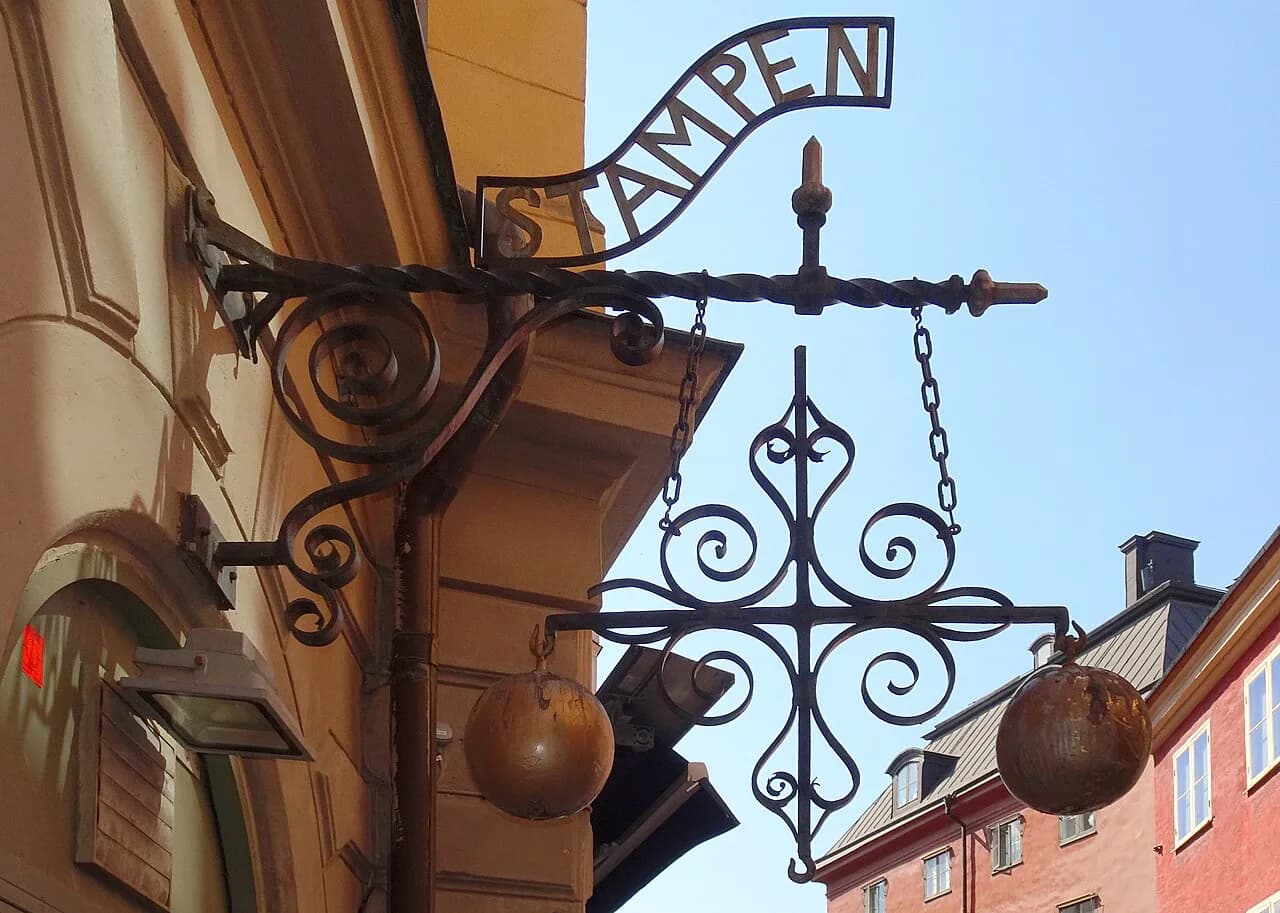
- Choose Stampen when you want a historic Gamla Stan room with jazz and blues character.
- Choose Nalen or Debaser when live music matters more than staying strictly inside the jazz category.
- Choose Stureplan only if your priority has shifted toward high-end clubbing rather than a listening room.
Top Stockholm Jazz Clubs for First-Time Visitors
For most first-time visitors, the best approach is to start with Fasching and then decide whether you want a second stop at Stampen or a broader live-music venue. Fasching is the city’s most important jazz institution: it is owned by the Association of Swedish Jazz Musicians, with audience support through Faschings Vänner, which has 4,000 members. The venue presents more than 300 concerts a year and around 100 club nights, so its calendar can move from straight-ahead jazz to funk, soul, world music, hip-hop, and club concepts. That range is useful if your group is split between jazz fans and people who simply want a strong night out. Stampen, by contrast, is the historic Gamla Stan name to keep in mind when you want a smaller bar atmosphere. Nalen and Debaser belong in the same planning conversation because they cover the live-gig side of Stockholm nightlife, even when the night is not specifically a jazz night.
| Venue | Best for | Vibe | Planning note |
|---|---|---|---|
| Fasching | Jazz, improvisation, soul, funk, world music, club nights | Concert venue, club, restaurant, and bar | Capacity is 350; book ahead for major shows |
| Fasching Foyer Bar | Lower-commitment live music | Front-bar setting | Some evenings have free-entry live music |
| Stampen | Historic jazz and blues atmosphere | Intimate Gamla Stan bar | Best treated as a characterful bar-room option |
| Nalen | Live gigs and broader music programming | Larger live-music context | Useful when the group wants concerts beyond jazz |
| Debaser | Gigs and band-led nights | Contemporary live-music venue | Better for live music than formal jazz-club etiquette |
Fasching: The Essential Jazz Hub on Kungsgatan
Fasching is the most important name in this guide because it combines history, programming depth, and practical visitor infrastructure. It sits at Kungsgatan 63 in central Stockholm and has been tied to the city’s modern jazz life since 1977. The room holds 350 people, which makes it large enough for international names but still small enough to feel like a club rather than an arena. Its ownership is also unusual: the main owner is Föreningen Sveriges Jazzmusiker, the Association of Swedish Jazz Musicians, and the audience side is represented by Faschings Vänner. That musician-led structure explains why the calendar is not limited to soft background jazz. You may find improvisation, Swedish artists, international touring names, funk, soul, world music, hip-hop, and long-running club nights. If you are choosing only 1 jazz venue in Stockholm, Fasching is the safest starting point because it is both a destination and a reliable snapshot of the city’s live-music culture.
- Address to use in your plan: Kungsgatan 63.
- Current venue format from the source material: concert venue, club, restaurant, and bar.
- Capacity noted in the brief: 350.
- Programming scale noted in the brief: more than 300 concerts plus around 100 club nights annually.
- Restaurant scale noted in the brief: full restaurant service for up to 80 guests an evening.
The Foyer Bar at Fasching: The Smart Low-Commitment Option
Do not ignore the Foyer Bar if you want live music without building the entire evening around a seated show. Fasching states that, on some evenings, live music is offered in the front bar in the foyer with free entry. That detail is valuable for visitors because Stockholm can be an expensive nightlife city, and a free-entry foyer set gives you a way to sample the venue before committing to a ticketed concert. The trade-off is uncertainty: the foyer is not the same as having a ticket for the main room, and you should treat it as a flexible add-on rather than a guaranteed replacement for the headline show. For budgeting context across drinks and nights out, use the local price guide to beer in Stockholm before assuming the music is the only cost.
- Best use: early-evening scouting, casual live music, or a pre-show drink.
- Main advantage: free entry when foyer live music is programmed.
- Main limitation: the brief says some evenings, so check the current calendar before you go.
- Good pairing: a ticketed Fasching show followed by a later bar or club plan.
Stampen in Gamla Stan: Historic Bar Energy
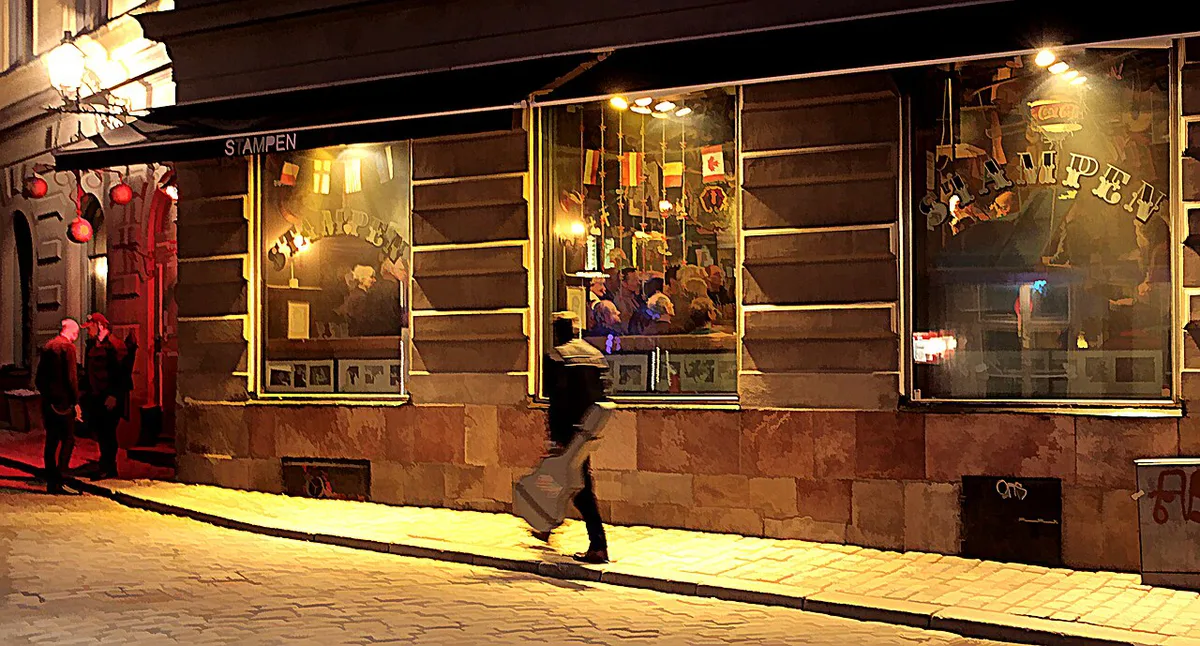
Stampen is the historic Gamla Stan option in this guide and works best when you want the night to feel more like an old-city bar than a formal concert plan. The brief positions it as a staple for jazz, and the user notes call it historic, so it belongs near the top of a jazz-and-live-music shortlist. The key planning difference from Fasching is the type of night you are buying into. Fasching is a 350-capacity institution with a restaurant and a large annual concert calendar; Stampen is better framed as an intimate bar-room choice in Gamla Stan. That makes it useful when you are staying in or passing through the old town, when your group wants character over scale, or when you want jazz and blues atmosphere without making the evening feel too scheduled. If your night might continue after the music, the broader club guide gives you a better late-night comparison than trying to force a jazz bar to become a nightclub.
- Best for: historic jazz-and-blues bar atmosphere.
- Area supported by the brief and notes: Gamla Stan.
- Better than Fasching for: a looser bar-style stop.
- Less ideal than Fasching for: a specific headline jazz concert.
Nalen and Debaser for Live Music Beyond Jazz
Nalen and Debaser are useful names when your search for Stockholm jazz clubs is really a broader search for live music in Stockholm. The supplied notes identify both as gig venues, so they fit the night-out decision tree even though Fasching and Stampen are the clearer jazz answers. Nalen also has a historical connection to Stockholm music culture in the source material: Fasching’s own history references the legendary dance palace Nalen when placing Fasching among long-running Swedish jazz venues. In practical terms, treat Nalen and Debaser as alternatives when the calendar at Fasching does not match your dates, when your group prefers bands over sit-down listening, or when jazz is only one possible genre for the evening. If the plan moves toward polished nightlife, compare the mood with Stureplan nightlife; if it stays music-led, check current listings before choosing the venue.
| If your group wants | Start with | Why |
|---|---|---|
| A clear jazz institution | Fasching | It has operated as the city’s central jazz hub since 1977 |
| Historic jazz-bar atmosphere | Stampen | It is the Gamla Stan name in the brief |
| A gig rather than a jazz club | Nalen | It belongs in the broader live-music lane |
| Band-led nightlife | Debaser | It is a stronger fit for general gigs than quiet jazz listening |
Stockholm Jazz Festival in October
If your travel dates are flexible, October is the month to watch because Stockholm Jazz Festival runs for 10 days every year. Fasching is described as the hub of the festival, both organizationally and as one of the main stages, which makes it the most important single venue to check first. Festival timing changes the way you should plan: a normal week may let you compare several venues casually, while festival dates make advance booking more important because visiting jazz fans and locals are looking at the same calendar. The festival also helps explain why Stockholm’s scene is broader than one room. A 10-day citywide jazz moment creates spillover interest in concerts, bars, and late-night plans, so you can build a full evening around music instead of treating the show as a one-stop activity.
- Festival month in the brief: October.
- Festival length in the brief: 10 days.
- Main planning hub in the brief: Fasching.
- Best visitor strategy: check Fasching first, then compare other live-music listings for the same dates.
Tickets, Reservations, and the Restaurant-vs-Club Trade-Off
The biggest mistake in Stockholm jazz planning is assuming that every seat, table, and ticket works the same way. Fasching has a full restaurant operation serving up to 80 guests an evening, while the overall venue capacity is 350. Those 2 numbers tell you the core trade-off: a dinner reservation is a more limited product than simple entry to the room. If you want to eat during the show, treat the restaurant seat as something to secure early. If you are happy standing or moving through the bar side, you may have more flexibility, especially when the Foyer Bar has free-entry live music. The brief does not supply verified 2026 ticket prices or cover-charge ranges in SEK, so do not build a budget around an unsourced number. Instead, check the current venue calendar, then use the beer-price guide and your dinner plans to estimate the full cost of the night.
October festival dates, major Fasching shows, and dinner plans all point to the same booking lesson: restaurant seating is much scarcer than total room capacity, and free-entry foyer music is calendar-dependent rather than a substitute for a confirmed main-room ticket.
- Remember the 80-guest restaurant limit at Fasching when planning dinner.
- Remember the 350-person total capacity when judging how quickly major shows may sell.
- Check whether your booking is for restaurant seating, general entry, or a free-entry foyer set.
- Carry a payment card because the brief flags cashless Sweden as the practical norm.
Timing Your Night Around a Listening Room
A jazz night works best when you give the music the center of the plan. Unlike a pub crawl or a late club night, the show time matters, the room can be quiet during the performance, and arriving too late may mean you miss the reason you came. Fasching’s calendar scale gives you many chances to find something suitable, with more than 300 concerts and around 100 club nights in a year, but the best match for your date still depends on the exact program. Smaller venues can also reduce hours or change rhythms seasonally, especially when summer moves more social life outdoors, so avoid assuming that every jazz bar runs the same schedule all year. For a smoother night, choose 1 music anchor first, then add drinks nearby afterward rather than trying to fit the concert into an overloaded route.
- Plan around 1 main performance rather than several uncertain walk-ins.
- Check the current calendar on the day you choose, especially outside the main indoor season.
- Use a free-entry foyer set as a bonus, not as the only confirmed plan.
- Move to a regular bar after the show if conversation matters more than the next set.
Where to Stay for Jazz and Live Music
Stay central if live music is a priority. Norrmalm is the practical area to consider when Fasching is the main target because the venue is on Kungsgatan 63 in central Stockholm. Gamla Stan makes sense when you want old-town atmosphere and a route that can include Stampen. Södermalm belongs in the wider nightlife conversation because the brief identifies it as part of the city’s cluster of intimate venues, and it is often a better fit for bar-hopping energy than a single formal concert plan. The safest planning principle is to keep the first venue easy and central, then decide after the music whether the night continues toward pubs, cocktail bars, or clubs. For a lower-key alternative to a show-first evening, compare the route with Stockholm pubs or the wider bar scene.
| Base area | Best reason to stay there | Jazz-night fit |
|---|---|---|
| Norrmalm | Central access to Fasching on Kungsgatan 63 | Best for a Fasching-first plan |
| Gamla Stan | Historic setting and Stampen in the old town | Best for character and compact evening plans |
| Södermalm | Broader nightlife and intimate venue context | Best when jazz is part of a wider bar night |
First-Time Mistakes to Avoid
The first avoidable mistake is treating a jazz club like a background-music bar. At a venue such as Fasching, the calendar is the product, and the strongest nights may sell or require a clear booking choice. The second mistake is confusing restaurant access with show access. Fasching’s restaurant serves up to 80 guests an evening, but the whole venue capacity is 350, so a dinner plan and a concert plan are not automatically the same thing. The third mistake is ignoring the Foyer Bar; free-entry live music on some evenings can be a high-value way to experience the venue when the main show is not the right fit. The fourth mistake is assuming that Stockholm’s jazz scene is the same as Stureplan’s high-polish nightlife. Jazz rooms reward timing and attention; club districts reward late energy, dress, and social momentum. If the group wants both, start with music and move later rather than trying to talk through the set.
- Do not assume dinner seating is included unless the booking clearly says so.
- Do not rely on unsourced 2026 SEK prices; check the venue calendar before budgeting.
- Do not overlook free-entry foyer music at Fasching when it is scheduled.
- Do not confuse a jazz room with a late nightclub; use different venues for different parts of the night.
- Do not bring a cash-only mindset, because the brief flags Sweden’s card-first payment reality.
How to Build a Complete Live-Music Night
A strong Stockholm live-music night starts with the venue calendar, not with the bar crawl. Pick Fasching if the artist or genre fits; pick Stampen if you want a historic Gamla Stan bar mood; keep Nalen and Debaser in reserve for gig-led nights that are less jazz-specific. Then decide what happens before and after. A pre-show cocktail works if the venue timing is fixed, while a late pub or club works better after the performance. If your group is mixed, the cleanest compromise is Fasching first because it has jazz credibility, a restaurant for up to 80 guests, a 350-person room, and broader genres across its 300-plus annual concerts. Afterward, you can move into the wider nightlife system, from rooftop bars in warmer weather to novelty stops like ice bars or sports-led nights at sports bars. The point is not to make every stop musical; it is to let the best live set anchor the evening.
Use one venue as the anchor before adding bars: Fasching works best for jazz credibility and mixed tastes, Stampen suits a historic Gamla Stan mood, and Nalen or Debaser fit nights where live bands matter more than staying strictly jazz-focused.
Getting Between Stockholm Jazz Venues
Stockholm’s main jazz and live-music stops are close enough that you do not need a complicated route. Fasching is on Kungsgatan 63 in Norrmalm, an easy walk from T-Centralen and Stockholm City station, so it is the simplest anchor if you are arriving by metro, commuter train, airport train, or bus. Stampen is in Gamla Stan, which works well before or after dinner in the old town; use Gamla Stan metro station, then allow a few minutes on foot through the narrow streets.
If you are comparing Fasching and Stampen on the same night, the transfer is short: take the metro one stop between T-Centralen and Gamla Stan, or walk if the weather is good and you want a city-center route. Nalen is also central in Norrmalm, so it can pair more naturally with Fasching than with a late cross-town plan. For Debaser or Södermalm bars, check the night bus or metro timing before the final set ends.
Further reading: Stockholm on Wikivoyage · Stockholm on Wikipedia
Frequently Asked Questions
Which Stockholm jazz clubs are best for first-time visitors?
Start with Fasching if you want the city’s clearest jazz institution, then consider Stampen in Gamla Stan for a more historic bar-room atmosphere. Fasching is the safer first choice because the brief confirms its Kungsgatan 63 location, 350-person capacity, restaurant, bar, club nights, and more than 300 annual concerts.
Do you need to book jazz clubs in advance in Stockholm?
Book in advance for major Fasching shows and especially if you want restaurant seating, because the restaurant serves up to 80 guests an evening while the venue capacity is 350. For the Foyer Bar, some live music is free entry, but that should be treated as calendar-dependent rather than guaranteed.
Is the Stockholm Jazz Festival worth planning around?
Yes, if jazz is a main reason for your trip. The festival runs for 10 days every October, and Fasching is described in the brief as both the organizational hub and one of the main stages, so festival dates can give you a denser live-music calendar than an ordinary week.
Is Fasching only for traditional jazz?
No. Fasching is rooted in jazz and improvisation, but the source material also notes world music, funk, soul, hip-hop, club nights, and long-running club concepts. That makes it useful when your group wants serious music without limiting the night to one narrow jazz style.
Can you hear free live jazz in Stockholm?
The brief confirms that Fasching offers live music in the front Foyer Bar on some evenings with free entry. Check the current schedule before relying on it, because the wording is not every night and it is separate from a ticketed main-room concert.
Should you choose jazz clubs or regular nightlife in Stockholm?
Choose jazz clubs when the performance is the point of the evening. Choose regular bars, clubs, or Stureplan-style nightlife when conversation, late dancing, or a social scene matters more than listening. A balanced plan is to book 1 music anchor first and then continue into broader nightlife afterward.