Dublin Nightlife Areas for First-Time Visitors
Last updated August 2026, this guide breaks down the main dublin nightlife areas so you can choose the right streets before your first drink. Temple Bar suits photos and first-timer energy, while Camden Street, the Creative Quarter, Baggot Street, Dawson Street, Capel Street, and Smithfield each solve a different night-out problem. Use the area notes below to avoid paying the Temple Bar premium all evening.
How Dublin Nightlife Areas Break Down
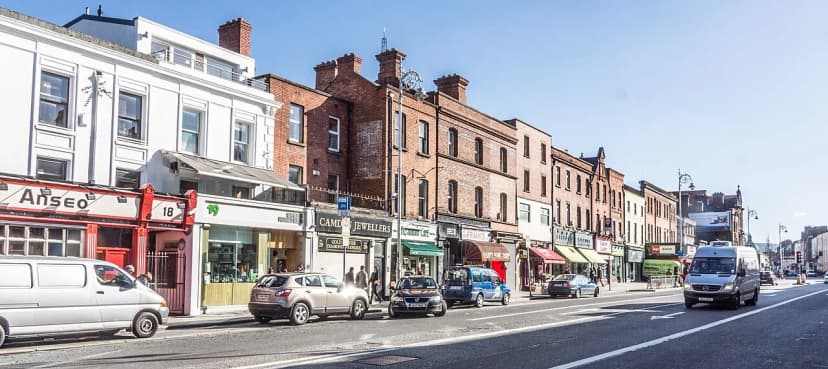
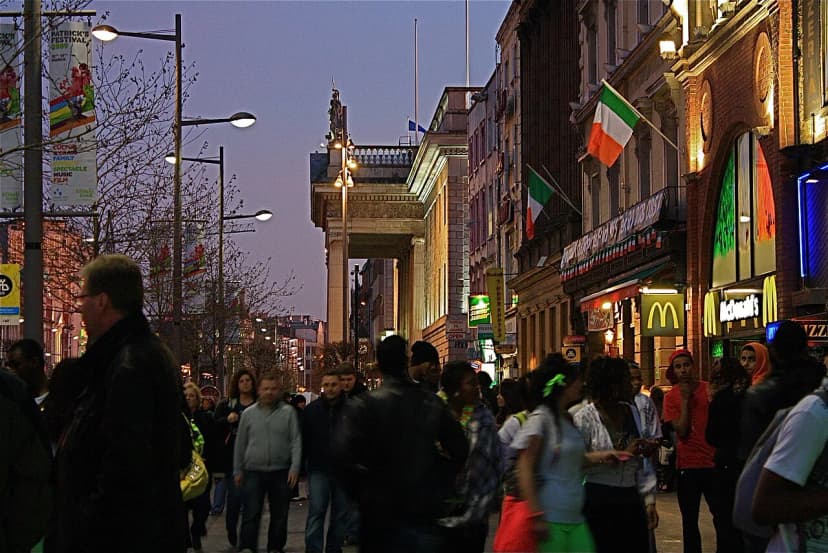
Dublin works best when you treat nightlife as a set of compact routes, not one single district. Temple Bar gives you the famous cobblestones and international crowd. Camden Street and Wexford Street handle late bars and club energy. South William Street, George's Street, Drury Street, and Exchequer Street suit cocktails, old pubs, and better value than the busiest tourist lanes. Baggot Street and Dawson Street lean older, polished, and after-work. Capel Street and Smithfield bring a Northside option with LGBTQ+ venues, food stops, and less polished edges. Visit Dublin groups the city after dark around late bars, traditional music, LGBTQ+ nights, alcohol-free ideas, cocktails, clubs, karaoke, and whiskey, which matches how most visitors actually plan a night out through its after dark guides.
| Area | Vibe | Relative cost | Best for | Late-night notes |
|---|---|---|---|---|
| Temple Bar | Famous, loud, tourist-heavy | €€€€ | One drink, photos, stag and hen groups | Expect higher prices; brief notes €10+ pints can appear here. |
| Creative Quarter | Cocktails, old pubs, food nearby | €€€ | Couples, small groups, bar-hopping | Stay flexible across South William Street, George's Street, Drury Street, and Exchequer Street. |
| Camden Street and Wexford Street | Late bars, clubs, younger crowd | €€-€€€ | Big nights and dancing | Late bars may run toward 2:30 AM or 3:00 AM. |
| Baggot Street and Dawson Street | After-work, rugby, wine bars, hotel bars | €€€ | Polished drinks and older groups | Better for a planned route than random late wandering. |
| Capel Street and Smithfield | Northside, LGBTQ+, mixed food and bars | €€ | Alternatives to Temple Bar | Useful when you want to avoid the south-side circuit. |
Temple Bar: Famous, Fun, and Expensive
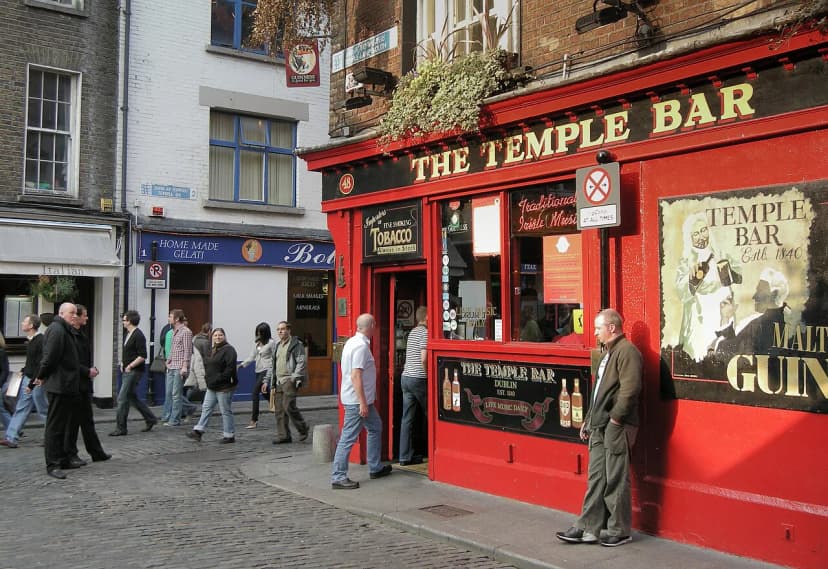
Temple Bar is the area people picture before they land in Dublin. Go for the photo, the cobbled lanes, the noise, and one carefully chosen drink. Do not make it your whole night unless you accept the premium. The brief flags €10+ pints and a Temple Bar price gap of €2-€4 over places such as Capel Street. That is the clearest money decision in central Dublin nightlife. Temple Bar still has value for first-timers because it is easy to find and easy to understand. You will hear familiar pub songs, see big groups, and meet travelers from everywhere. For a narrower street-level plan, use the separate Temple Bar guide.
- Best for: first arrivals, photos, one drink, and groups that want a famous setting.
- Skip it if: you want lower prices, local chat, or a calmer pub crawl.
- Route idea: walk through Temple Bar early, then move toward the Creative Quarter or Camden Street.
- Budget call: if your first pint is €10+, leave before that becomes the pattern.
The Creative Quarter and Grafton Side Streets
The Creative Quarter is the best middle path for many visitors. It keeps you central without locking you into Temple Bar prices all night. Focus on South William Street, George's Street, Drury Street, and Exchequer Street. Around Grafton Street, look at the side streets rather than the shopping street itself. The brief names The Long Hall, Grogan's, and Kehoes as key stops. Competitor notes also connect Grogan's with toasties, which makes it useful when you want food with a pint rather than a full dinner. This zone works when your group has mixed priorities. One person wants an old Dublin pub. Another wants cocktails. Someone else wants food close by. You can change direction within minutes instead of committing to a single venue type. For more bar-by-bar sorting, use the best bars guide.
- Best for: couples, mixed-age groups, cocktails, older pubs, and easy plan changes.
- Named streets: South William Street, George's Street, Drury Street, Exchequer Street, Harry Street, Chatham Street, and Duke Street.
- Named stops from the brief: The Long Hall, Grogan's, Kehoes, McDaids, Neary's, The Duke, The Bailey, Davy Byrnes, Bruxelles, The Old Stand, Stag's Head, The International, Hogans, and Thomas Moore Inn.
- Route idea: start near Grafton Street side streets, cross into the Creative Quarter, then decide whether Camden Street is worth the late move.
Camden Street, Harcourt Street, and Wexford Street
Camden Street is the practical answer when you want the night to keep going. The brief frames Camden Street, Harcourt Street, and Wexford Street as the party mile, with late bars and the city's bigger club energy. Standard pubs can close around 11:30 PM or 12:30 AM. Late bars can stretch toward 2:30 AM or 3:00 AM. That difference matters when you arrive late after dinner. Camden Street also suits visitors who want more than one backup plan. If one door does not fit your group, another option is nearby. The brief names massive beer gardens, younger crowds, and nightclubs as the core draw. It also warns that some clubs apply strict dress codes, including restrictions around trainers or sportswear. Check the current door policy before you queue. For dancing-focused choices, compare the Dublin clubs guide.
- Best for: late bars, bigger groups, clubs, and a high-energy second half of the night.
- Named route: the Camden Mile.
- Named stops from competitor evidence: Devitt's, Cassidy's, The Bleeding Horse, The Sitting Room at Delahunt, and The Barge.
- Timing call: choose this area before midnight if you want late-bar options after standard pubs close.
- Door call: dress cleaner than you think you need to, especially for clubs.
Baggot Street and Dawson Street
Baggot Street and Dawson Street suit a different Dublin night. This is where after-work drinks, rugby crowds, wine bars, hotel bars, and older groups sit more naturally. Dawson Street leans toward cocktails and bigger polished rooms. Baggot Street works better as a pub crawl route, especially around the traditional Baggot Mile idea. The brief names O'Donoghues, Toners, Doheny & Nesbitt, Cellar Bar in the Merrion, and No. 27 Bar in the Shelbourne around this wider scene. Competitor notes also place 9 Below, Peruke & Periwig, Cafe en Seine, 37 Dawson, Dawson Lounge, and Lennan's Yard on the Dawson side. Use this area when you want less club pressure and more controlled pacing. It is also useful when Camden Street feels too young or Temple Bar feels too tourist-led.
- Best for: after-work drinks, rugby fans, cocktails, wine bars, and pub-crawl pacing.
- Named route: the Baggot Mile.
- Named Dawson stops from the brief and competitor page: 9 Below, Peruke & Periwig, Cafe en Seine, 37 Dawson, Dawson Lounge, and Lennan's Yard.
- Named Baggot stops from the brief and competitor page: O'Donoghues, Toners, Doheny & Nesbitt, Cellar Bar in the Merrion, and No. 27 Bar in the Shelbourne.
- Decision call: choose Dawson Street for cocktails, and choose Baggot Street for pub tradition.
Capel Street and Smithfield for Northside Nights
Capel Street and Smithfield give you the clearest alternative when the south-side nightlife circuit feels too predictable. The brief describes Capel Street as pedestrianized, eclectic, diverse, and less polished than the south side. It also flags PantiBar and the surrounding LGBTQ+ scene. That makes this area important for visitors who do not want Dublin nightlife reduced to Temple Bar and Camden Street. Capel Street can also make a stronger value case. The brief says a pint in Temple Bar can be €2-€4 more than on Capel Street. That difference adds up across a group. Smithfield extends the route when you want a wider Dublin 7 evening rather than a single-street bar hop. For LGBTQ+ planning, start with the dedicated gay nightlife guide.
- Best for: LGBTQ+ nightlife, Northside bar-hopping, food stops, and better value than Temple Bar.
- Named area: Capel Street and Smithfield in Dublin 7.
- Named venue from the brief: PantiBar.
- Budget call: use Capel Street when Temple Bar prices feel too high after one drink.
- Route idea: build a Northside night around Capel Street first, then decide whether Smithfield fits your group.
Traditional Music, Whiskey, and the Session Question
Traditional music is not confined to Temple Bar. That is the mistake many first-time visitors make. The brief separates staged trad from session trad, and that distinction should shape your expectations. Staged shows can be easy for visitors because the schedule is clearer. Sessions can feel more casual, but they also depend on the night and the musicians. Do not demand a perfect performance from a session pub. Listen, buy a drink, and keep your group conversation low near the music. O'Donoghues appears in the brief as a key Baggot Street music stop. The International is also named in competitor evidence for music and comedy. Visit Dublin lists traditional music and whiskey as separate after-dark planning categories, so you can pair one pub session with a whiskey-focused stop if that suits your night. For deeper music planning, use the live music guide. For older pub settings, compare traditional Dublin pubs.
- Best for: listeners, whiskey drinkers, and visitors who want pubs before clubs.
- Named music stops from the brief and competitor evidence: O'Donoghues, Cassidy's, Thomas Moore Inn, and The International.
- Etiquette call: keep the group quiet near musicians, especially during informal sessions.
- Planning call: check current music times before you build the night around one venue.
Alcohol-Free and Alternative Nights Out
Dublin nights do not have to revolve around pints. The brief asks for alcohol-free options and names The Virgin Mary as an example of the city's sober-bar direction. Visit Dublin also treats alcohol-free nights, karaoke, cocktails, clubs, whiskey, and late bars as separate after-dark categories. That matters when your group includes non-drinkers or anyone pacing a second night in town. Build the plan around a late cafe, karaoke room, board-game stop, comedy, or food-first route, then add a bar only if the group wants one. Check current status before relying on any specific alcohol-free venue, because closures and concept changes can happen quickly. For broader non-drinking ideas, use Dublin at night.
- Best for: non-drinkers, mixed groups, second nights, and travelers avoiding a heavy pub crawl.
- Named example from the brief: The Virgin Mary.
- Alternative formats: karaoke, comedy, late cafes, board games, food routes, and alcohol-free drinks.
- Decision call: choose a non-drinking anchor first, then add nearby bars only for people who want them.
How to Move Between Dublin Nightlife Areas at Night
Dublin is compact enough for smart area-hopping, but late-night transport still needs a plan. The brief names Nitelink buses, Luas Green and Red lines, and taxi apps such as FreeNow and Uber. It also warns that getting a taxi around 3:00 AM on a Saturday can be difficult. Do not assume you can leave a club and find a ride instantly. If your hotel is not walkable, decide the exit plan before the last venue. Luas and bus details can change, so check current Transport for Ireland, Dublin Bus, and Luas information before you go out. The practical move is simple. Stay within one route for most of the night, then use one final transfer only if it clearly improves the evening. A pub crawl works best when it respects that limit. For route pacing, use the pub crawl guide.
If the night starts with a €10+ Temple Bar pint and might end near 3:00 AM, keep the famous stop brief. Your final venue should sit near a confirmed ride option or a walkable backup.
- Transport named in the brief: Nitelink, Luas Green line, Luas Red line, FreeNow, and Uber.
- Risk time: 3:00 AM on Saturday is the hardest taxi moment named in the brief.
- Route rule: do not cross the city repeatedly after midnight.
- Hotel rule: if you stay far from the center, confirm your ride plan before the final drink.
- Backup rule: keep one walkable late option near your last planned stop.
Safety, Door Policies, and Area Choice
Most nightlife mistakes in Dublin are planning mistakes. You overpay in Temple Bar for 4 rounds. You arrive at a standard pub after last orders. You queue for a club in sportswear. You wait until 3:00 AM to think about transport. The brief also mentions R.O.A.R., meaning Right of Admission Reserved. Door staff can refuse entry, and arguing rarely improves the outcome. Keep identification ready, dress cleanly for clubs, and move on if a door says no. Use better-lit main streets between venues and avoid turning a night out into a long late walk through unfamiliar side streets. If you are unsure which area fits your group, choose the Creative Quarter for balance or Camden Street for late-night density. For the bigger overview, start with the Dublin nightlife pillar.
A clean outfit solves only one gatekeeping problem: clubs may still turn away sportswear, while ordinary pubs can be done around 11:30 PM. Pick the area before dinner so timing, clothes, and backup venues line up.
- Most common cost mistake: staying in Temple Bar after noticing €10+ pints.
- Most common timing mistake: treating every pub like a 2:30 AM late bar.
- Most common door mistake: ignoring club dress codes around trainers or sportswear.
- Most common transport mistake: looking for a taxi only after 3:00 AM on Saturday.
- Simple fix: choose one main area and one backup area before dinner.
Which Dublin Nightlife Area Should You Choose?
Pick Temple Bar if it is your first Dublin night and you want the famous scene. Limit it to one drink if price matters. Pick the Creative Quarter if you want the best balance of pubs, cocktails, food, and easy movement. Pick Camden Street, Harcourt Street, and Wexford Street when the night is meant to end late. Pick Baggot Street or Dawson Street for after-work polish, rugby energy, cocktail bars, or a less chaotic pub crawl. Pick Capel Street and Smithfield when you want Northside energy, LGBTQ+ nightlife, food choices, and a clearer alternative to Temple Bar. No single area wins every category. Dublin works better when you match the district to the night you actually want.
| Your priority | Best area | Why it fits | Watch-out |
|---|---|---|---|
| First-time Dublin atmosphere | Temple Bar | Famous lanes, music, and tourist energy. | Prices can be €2-€4 above Capel Street. |
| Balanced bars and cocktails | Creative Quarter | Short walks between pubs, cocktails, and food streets. | Popular streets can fill quickly. |
| Late bars and clubs | Camden Street, Harcourt Street, Wexford Street | Late bars may run toward 2:30 AM or 3:00 AM. | Dress codes can block entry. |
| Older, polished drinks | Baggot Street and Dawson Street | After-work drinks, rugby pubs, cocktails, and wine bars. | Less suited to a messy club night. |
| Northside and LGBTQ+ options | Capel Street and Smithfield | PantiBar, food choices, and Temple Bar alternatives. | Check current venue status before relying on one stop. |
Frequently Asked Questions
What is the best Dublin nightlife area for first-time visitors?
Temple Bar is the easiest first stop because it delivers the famous Dublin night-out image quickly. Have one drink, take the photos, then move to the Creative Quarter or Camden Street if value matters.
Where do locals drink in Dublin instead of Temple Bar?
The brief points visitors toward the Creative Quarter, Grafton Street side streets, Camden Street, Dawson Street, Baggot Street, and Capel Street. These areas give you more varied pubs, cocktails, late bars, and lower-pressure routes.
Is Temple Bar worth visiting at night?
Temple Bar is worth seeing once, especially on a first trip. It is not the best place to spend the whole night if you dislike €10+ pints or heavy tourist crowds.
What is the best area for nightclubs in Dublin?
Camden Street, Harcourt Street, and Wexford Street are the strongest choice for club-focused nights in this brief. Choose them when you want late bars, dancing, and backup options close together.
How late do pubs and late bars stay open in Dublin?
The brief separates standard pubs from late bars. Standard pubs can close around 11:30 PM or 12:30 AM, while late bars can run toward 2:30 AM or 3:00 AM.
Where should I go for LGBTQ+ nightlife in Dublin?
Capel Street and Smithfield are the key areas in this guide. The brief names PantiBar and the surrounding Dublin 7 scene, so start there and check current venue details before you go.
Can you have an alcohol-free night out in Dublin?
Yes. The brief names The Virgin Mary as an alcohol-free example and points toward late cafes, karaoke, board games, comedy, and food-led nights. Check current status before relying on a specific venue.
What is the biggest late-night transport mistake in Dublin?
Waiting until 3:00 AM on Saturday to think about a taxi is the main mistake named in the brief. Decide your Nitelink, Luas, app taxi, or walking plan before the final venue.