Gay Nightlife in Berlin: A Smart Guide to the Scene
Last updated July 2026, gay nightlife berlin is best understood as a citywide scene with a traditional heart in Schöneberg and a harder clubbing edge in Friedrichshain. You can build an easy first night around Nollendorfplatz bars, then branch into Kreuzberg, Neukölln, Berghain, Lab-oratory, KitKatClub, and Berlin’s fetish calendar when you want something later, louder, or more specific. The key is choosing the right neighborhood for your mood, carrying cash, and treating Berlin’s door policies as part of the planning rather than a personal judgment.
Where gay nightlife in Berlin is centered
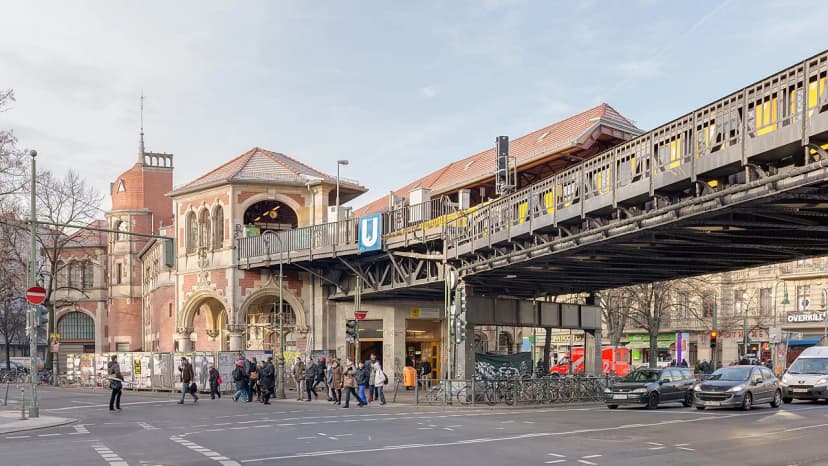
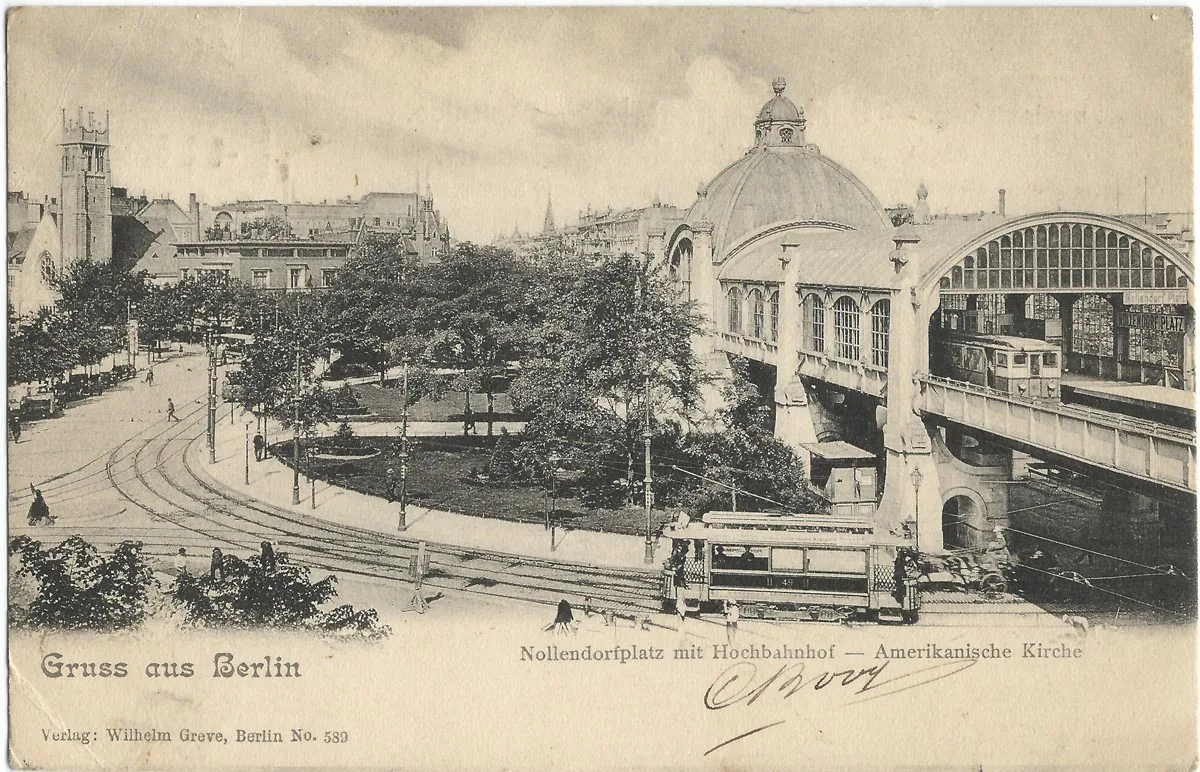
Berlin’s queer scene is decentralized, but Schöneberg around Nollendorfplatz is still the classic starting point. This is the historic gayborhood, with a concentration of bars, shops, hotels, and social venues that makes it easy to arrive without a detailed plan. If you want a lower-pressure first evening, start here before committing to a 2 AM club queue in Friedrichshain. For a broader read on how the city’s nightlife zones fit together, use our guide to Berlin Nightlife Areas: A Guide to the Best Neighborhoods and Vibes before deciding where to stay.
| Area | Best for | 2026 practical note |
|---|---|---|
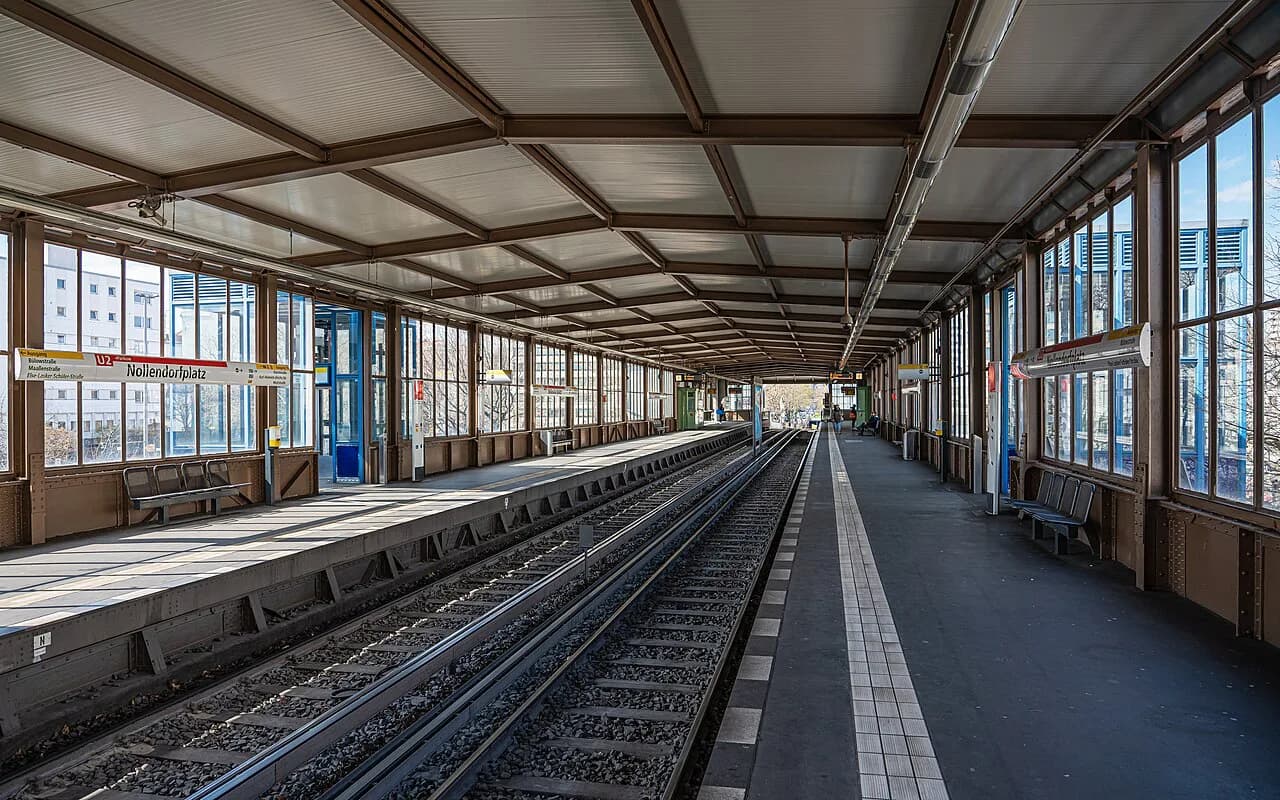
| Schöneberg around Nollendorfplatz | First-timers, classic gay bars, fetish shops, easy bar-hopping | Nollendorfplatz is connected by U1, U2, U3, and U4, so it is a simple base for starting the night. |
| Kreuzberg and Neukölln | Alternative queer bars, drag, dives, political and mixed LGBTQ+ spaces | Expect a more inclusive, less polished feel than the traditional gay village. |
| Friedrichshain | Techno, Berghain, Lab-oratory, late-night cruising culture | This is where the night can become a 2 AM-or-later commitment rather than a casual drink. |
Choosing between Schöneberg, Kreuzberg, Neukölln, and Friedrichshain
Your best Berlin gay night depends less on one “best” venue and more on matching the district to the evening you want. Schöneberg is the most straightforward choice if you want recognizable gay bars, a mature social crowd, and the easiest concentration of venues. Kreuzberg and Neukölln work better when you prefer queer-inclusive rooms, alternative music, and bars where the line between gay, queer, trans, and allied nightlife feels deliberately porous. Friedrichshain is the move when the night is about techno, cruising, and Berlin’s more famous door-policy culture. If this is part of a wider trip, keep our Berlin Nightlife: 10 Essential Tips for Clubs, Areas, and Culture guide open so you can combine queer venues with late food, live music, or a non-club backup plan.
- Pick Schöneberg if you want 3 or 4 bars within a compact gayborhood and a softer landing into the scene.
- Pick Kreuzberg or Neukölln if your ideal night is more alternative than polished, with venues such as Möbel Olfe and SilverFuture fitting that queer-inclusive lane.
- Pick Friedrichshain if you are deliberately aiming for Berghain, Lab-oratory, Bar Zum Schmutzigen Hobby, or late-night techno culture.
- Do not treat one neighborhood as a full substitute for another: Schöneberg is the traditional center, while Friedrichshain is the clubbing mecca.
Classic gay bars in Schöneberg
Schöneberg is the easiest answer when you want gay bars Berlin travelers can understand quickly. Prinzknecht, Hafen, Heile Welt, and Roses-style kitsch are all part of the wider first-timer conversation, though Roses itself is associated with Kreuzberg in the briefed scene. Around Nollendorfplatz, the value is concentration: you can start with one drink, read the room, then shift venues without turning the night into a transport puzzle. Bars are often free entry, which makes Schöneberg the most budget-flexible way to explore queer Berlin before deciding whether to pay a club cover later.
- Prinzknecht: a classic social starting point in Schöneberg, useful when you want an established gay bar rather than an underground room.
- Hafen: a casual Schöneberg option with regular events and an easier warm-up atmosphere.
- Heile Welt: a polished Schöneberg name to keep on the radar when you want drinks rather than a heavy club night.
- Nollendorfplatz: the practical anchor for the area, with U1, U2, U3, and U4 access and enough nearby venues to keep the evening flexible.
Alternative queer bars beyond the gay village
Berlin’s queer life is not limited to Schöneberg, and that is one reason the city works so well for repeat visitors. Möbel Olfe in Kreuzberg and SilverFuture in Neukölln represent the more alternative side of the scene: less traditional gay-village energy, more mixed queer crowd, and a stronger sense that nightlife overlaps with politics, art, and neighborhood identity. Bar Zum Schmutzigen Hobby in Friedrichshain fits the kitsch-and-party end of the map, especially if you want something playful before a bigger club night. If your group is split between queer bars and general cocktail stops, the broader 15 Best Bars in Berlin: Local Nightlife Guide guide can help you build a route that does not force everyone into the same lane all night.
| Venue or area | Scene type | Good for |
|---|---|---|
| Möbel Olfe, Kreuzberg | Alternative and queer-inclusive | A mixed, social queer bar night outside the traditional gay village. |
| SilverFuture, Neukölln | Dive-like and politically queer | Travelers who want a less mainstream LGBTQ+ space. |
| Bar Zum Schmutzigen Hobby, Friedrichshain | Kitsch, fun, party-oriented | A playful stop before techno or a late Friedrichshain night. |
Gay clubs, techno, and Berlin’s fetish scene
The club side of gay Berlin is where the city’s reputation becomes most intense. Berghain is mixed but heavily queer in reputation, while Lab-oratory is the men-only basement associated with cruising culture and major event nights. KitKatClub is another key name, especially for fetish-friendly parties such as PiepShow. These venues are not interchangeable: Berghain is primarily the iconic techno institution, Lab-oratory is explicitly connected to men’s cruising and themed nights, and KitKatClub sits in the sex-positive, costume-aware side of Berlin nightlife. For the music-first version of the night, compare your options with our guide to Berlin techno clubs.
- Budget for club cover charges in the €15-€25 range where a cover applies; bars are often free entry.
- Expect the night to run late: the briefed mistake to avoid is arriving too early, because clubs do not usually peak until around 2 AM.
- Check the specific night before you go, especially for Lab-oratory, KitKatClub, and fetish events where themes and dress expectations matter.
- Treat cruising venues with calm, consent-led etiquette: read the room, respect boundaries, and do not assume every bar area is the same as a play area.
Door policy survival guide for gay clubs in Berlin
Door anxiety is normal in Berlin because some of the city’s most famous queer and techno venues are selective. The best strategy is practical rather than theatrical: know which party you are attending, keep the group small, avoid loud queue behavior, and dress for the room. Black, leather, fetishwear, or “less is more” styling may fit certain nights, but only when it matches the actual event. A costume that looks forced can be less convincing than a simple look that feels comfortable. If Berghain is the specific goal, read the deeper Berghain door policy guide before making it the only plan of the night.
Treat Friedrichshain club plans as a late-night branch, not the whole evening. Starting with free-entry Schöneberg bars keeps costs flexible, while a small group, cash, no-photo etiquette, and a nearby Plan B make selective doors easier to handle.
- Bring cash even if the door accepts cards in some cases; Berlin nightlife remains heavily cash-reliant, especially for bars, tabs, cloakrooms, or backup plans.
- Do not take photos inside clubs with strict no-photo cultures; this is one of the fastest ways to misunderstand the city’s nightlife etiquette.
- Avoid arriving as a large, unfocused group if you are trying for a serious techno door.
- Have a Plan B within the same area, especially in Friedrichshain, so a rejection does not erase the whole night.
- For techno rooms, avoid looking like you are there only to sightsee; Berlin clubs respond better when the music and party are clearly the reason you came.
A first-timer Saturday route for gay Berlin
A smart first Saturday keeps the night flexible. Start in Schöneberg around Nollendorfplatz because it gives you the highest chance of finding a comfortable first drink without paying a cover. Move between 2 or 3 classic bars, then decide whether the group has enough energy for Friedrichshain. If the answer is yes, aim for a club or cruising venue later rather than treating midnight as the climax. If the answer is no, stay with bars, food, or a softer late-night plan. Berlin rewards pacing more than over-scheduling, and there is no need to turn every queer night into a Berghain attempt.
- Early evening: start around Nollendorfplatz for Prinzknecht, Hafen, or another Schöneberg bar.
- Later evening: shift toward Kreuzberg or Neukölln if you want Möbel Olfe, SilverFuture, or a more alternative queer crowd.
- After midnight: decide whether Friedrichshain makes sense for Berghain, Lab-oratory, or Bar Zum Schmutzigen Hobby.
- Around 2 AM: expect the club scene to feel more alive, but only continue if the night still feels enjoyable rather than obligatory.
- Backup plan: use Berlin at night ideas if your group wants something easier than a door queue.
Pop, drag, and non-techno options
Not every gay traveler comes to Berlin for industrial techno. If you prefer pop, disco, drag, or camp, build your night around bars and party listings instead of assuming Berghain is the required endpoint. Schöneberg gives you the easiest classic-bar framework, while Kreuzberg, Neukölln, and Friedrichshain add the more alternative and kitsch side of the scene. GMF and other party nights may be relevant depending on the calendar, but Berlin changes enough that current listings matter. The local queer magazine Siegessäule is a useful resource for event listings when you want the 2026 version of what is actually happening that week.
Berlin’s queer scene works best when the neighborhood matches the mood: Schöneberg for classic social bars, Kreuzberg and Neukölln for alternative queer rooms, and Friedrichshain when even a non-techno night may drift toward kitsch, parties, or clubs.
- Choose Schöneberg for social drinks and a more traditional gay bar rhythm.
- Choose Kreuzberg or Neukölln for queer-inclusive rooms, drag-leaning nights, and a less tourist-shaped crowd.
- Choose Friedrichshain if you want the night to edge toward clubbing even when you are not chasing pure techno.
- For a gentler evening, combine a gay bar with one of the city’s Berlin rooftop bars before going late.
Annual LGBTQ+ events and fetish weekends
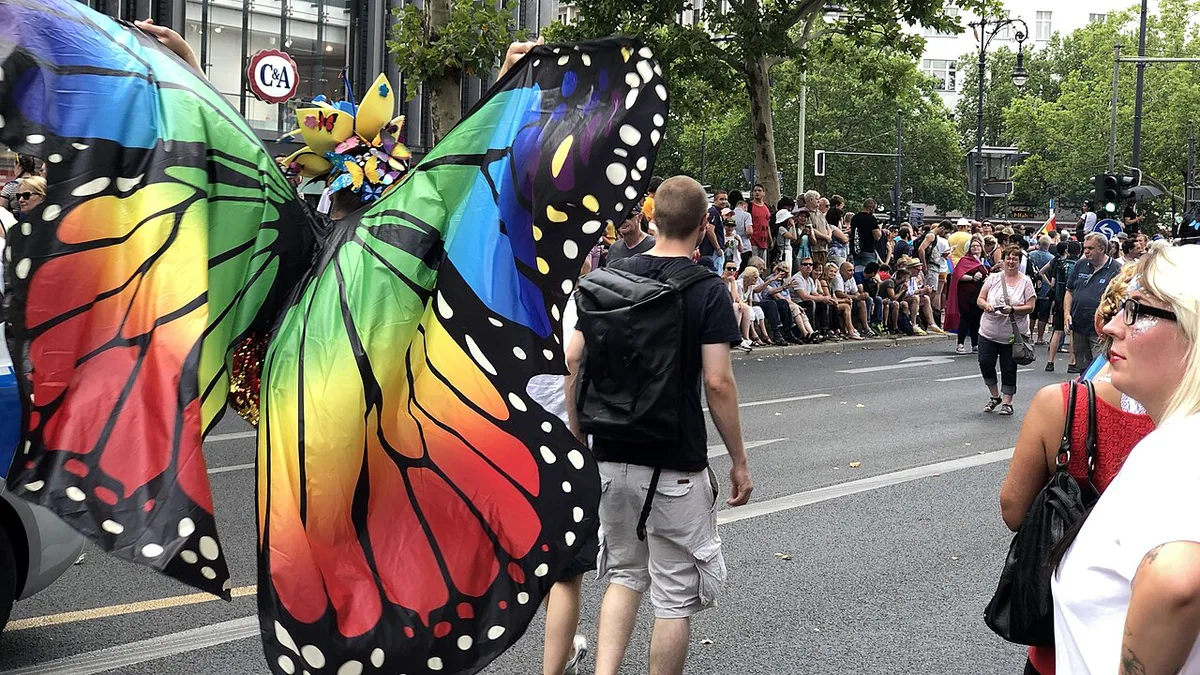
Berlin’s gay calendar has several peaks, and timing your trip around one of them changes the whole experience. Berlin CSD, also known as Christopher Street Day, is the city’s Pride event and takes place in July. Stadtfest, the Lesbian and Gay City Festival, falls in the June or July season and centers the city’s public queer life before or around Pride. Folsom Europe and Easter Leather Week are the major fetish-tourism moments, drawing visitors who specifically want leather, cruising, and sex-positive nightlife. Event dates and party programs can change each year, so use the month as the planning frame and verify exact 2026 dates before booking nonrefundable travel.
| Event | Usual timing from the brief | Best for |
|---|---|---|
| Berlin CSD / Christopher Street Day | July | Pride parade energy, major parties, first-time LGBTQ+ visitors. |
| Stadtfest / Lesbian and Gay City Festival | June or July | Outdoor queer community atmosphere around the city’s gay calendar. |
| Folsom Europe | Fetish-tourism peak | Leather, cruising, fetish bars, and visitors focused on the Berlin fetish scene. |
| Easter Leather Week | Easter period | Leather and fetish travelers planning around themed events. |
Costs, cash, transport, and safety
Berlin can be manageable if you separate bar nights from club nights. Bars are often free to enter, while clubs commonly require covers in the €15-€25 range. Cash is still important: even where a door takes cards, tabs, cloakrooms, smaller bars, or late-night backup venues may work better with euros in hand. Transport is also one of the reasons Schöneberg is such an easy base. Nollendorfplatz connects U1, U2, U3, and U4, and weekend transit runs through the night, which helps if your plan moves from Schöneberg to Friedrichshain after midnight. Berlin is generally safe for LGBTQ+ travelers, but high-traffic nightlife zones still require ordinary awareness: watch drinks, keep your phone secure, and leave with people you trust.
| Need | 2026 planning detail | Why it matters |
|---|---|---|
| Bar entry | Often free | Useful for low-commitment first nights and venue-hopping. |
| Club cover | Plan around €15-€25 | Relevant for Berghain, KitKatClub-style nights, and larger club plans. |
| Cash | Carry euros | Berlin nightlife remains cash-reliant in practical ways. |
| Transport | U1, U2, U3, U4 at Nollendorfplatz; 24-hour weekend transit | Makes late movement easier if your night crosses neighborhoods. |
Mistakes to avoid in gay Berlin
The biggest mistake is treating Berlin like a city where one venue guarantees the night. A better approach is to choose a district, set a loose sequence, and stay flexible. Arriving too early at clubs can leave you waiting before the room has built energy; arriving around the 2 AM peak may fit the club rhythm better, though it also means longer stamina and a real backup plan. Another mistake is ignoring no-photo norms. Many Berlin clubs take privacy seriously, especially queer, fetish, and cruising spaces. Finally, do not dress for a stereotype you do not understand. Berlin’s “anything goes” ethos works best when your look fits the night, the party, and your own comfort.
- Do not make Berghain the only plan unless rejection would not bother you.
- Do not assume every queer venue is a cruising venue; Berlin has bars, clubs, play spaces, and mixed social rooms with different norms.
- Do not skip cash, because even a card-friendly start can become a cash-only problem later.
- Do not overpack the night: 2 or 3 good stops are usually better than racing across 5 districts.
- Do not photograph people in clubs or fetish spaces, even casually.
Where to Stay for Gay Nightlife in Berlin
For the easiest gay nightlife base, stay in Schöneberg within walking distance of Nollendorfplatz, Motzstraße, Fuggerstraße, and Eisenacher Straße. This puts classic bars, late food, fetish shops, and the U1/U2/U3/U4 at your door, so a first night does not depend on taxis or long transfers. Axel Hotel Berlin near Lietzenburger Straße is one of the better-known LGBTQ-focused hotel names in the area, while standard hotels around Wittenbergplatz, Nollendorfplatz, and Kurfürstendamm can work well if you want quieter rooms but fast access to the gay village.
Friedrichshain is better if your trip is built around Berghain, Lab-oratory, RAW-Gelände, or late techno, but it is less convenient for classic Schöneberg bar-hopping. Kreuzberg works as a compromise for mixed queer bars, food, and nightlife around Kottbusser Tor and Oranienstraße. For first-timers, Schöneberg is still the simplest choice: start local, then cross town only when you know the night is worth extending.
For trip-planning details, see Schöneberg - Wikipedia.
Frequently Asked Questions
What is the main gay area of Berlin?
Schöneberg around Nollendorfplatz is the traditional main gay area of Berlin. It is the best first stop for classic bars, easy venue-hopping, and a historic gayborhood atmosphere, while Friedrichshain, Kreuzberg, and Neukölln cover more of the clubbing and alternative queer scene.
Is Berlin good for gay nightlife if you do not like techno?
Yes. Techno is a major part of gay nightlife in Berlin, but it is not the whole scene. Schöneberg works well for social bars, Kreuzberg and Neukölln offer alternative queer venues, and party listings can help you find pop, drag, disco, or kitsch nights instead of a hard techno club.
How much should you budget for gay clubs in Berlin?
For 2026 planning, expect many club cover charges to sit around €15-€25 where a cover applies. Bars are often free entry, so a Schöneberg bar night can be much cheaper than a club-focused night in Friedrichshain or at a major fetish party.
Do you need cash for Berlin gay bars and clubs?
Yes, carry cash. Berlin nightlife remains heavily cash-reliant, and euros can matter for bars, cloakrooms, tabs, and backup venues even when some doors or larger venues accept cards.
What should you wear to gay clubs in Berlin?
Dress for the specific night. Black, leather, fetishwear, or minimal looks may work for some techno and fetish parties, but the more important rule is to look like you understand the event. For classic Schöneberg bars, casual nightlife clothing is usually more practical than an exaggerated club outfit.
When does gay nightlife in Berlin get busy?
Bars can work earlier in the evening, especially around Nollendorfplatz, but clubs often do not peak until around 2 AM. A good first-timer plan is to start with 2 or 3 Schöneberg bars, then decide later whether Friedrichshain is worth the extra energy.