
Brussels Gay Nightlife: The Ultimate Guide to Bars, Clubs, and Parties
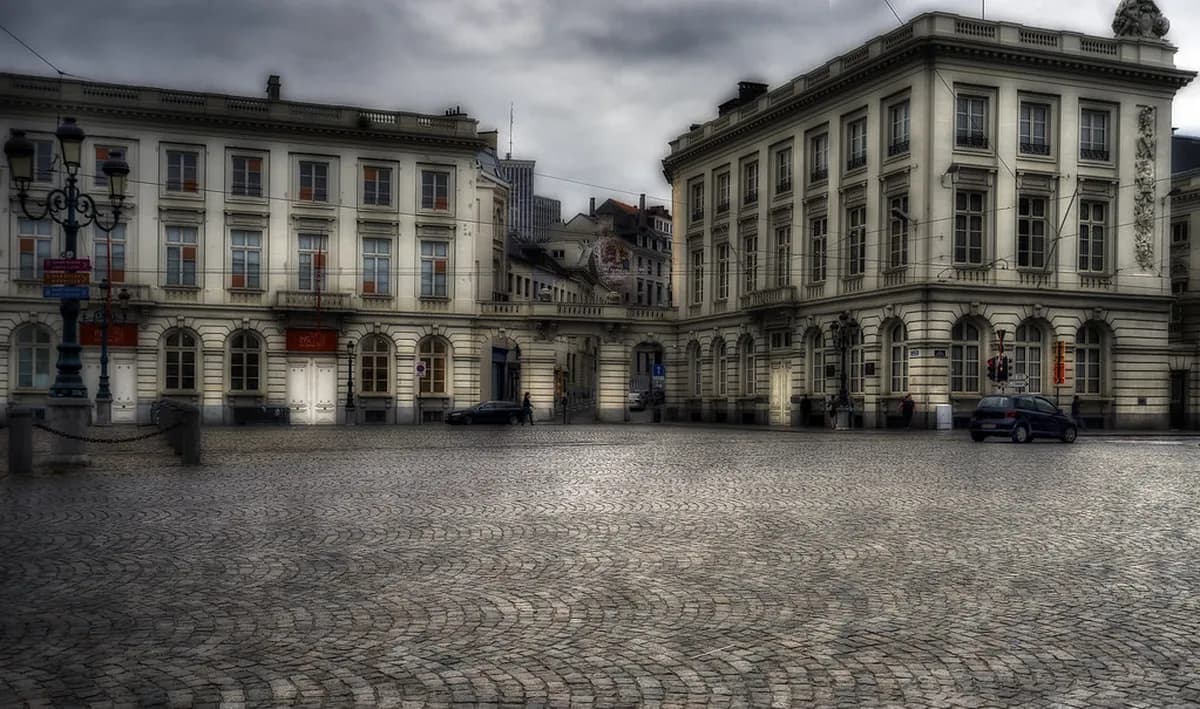
Last updated August 2026, Brussels gay nightlife centers on one compact district rather than scattered venues across the city. Rue du Marché au Charbon, known locally as Kolenmarkt, anchors bars, drag shows, and cruising spots near Grand Place. This guide covers where to drink, when La Demence takes over Fuse, and how to get around safely after dark.
The Saint-Jacques District: Brussels' Gay Nightlife Hub
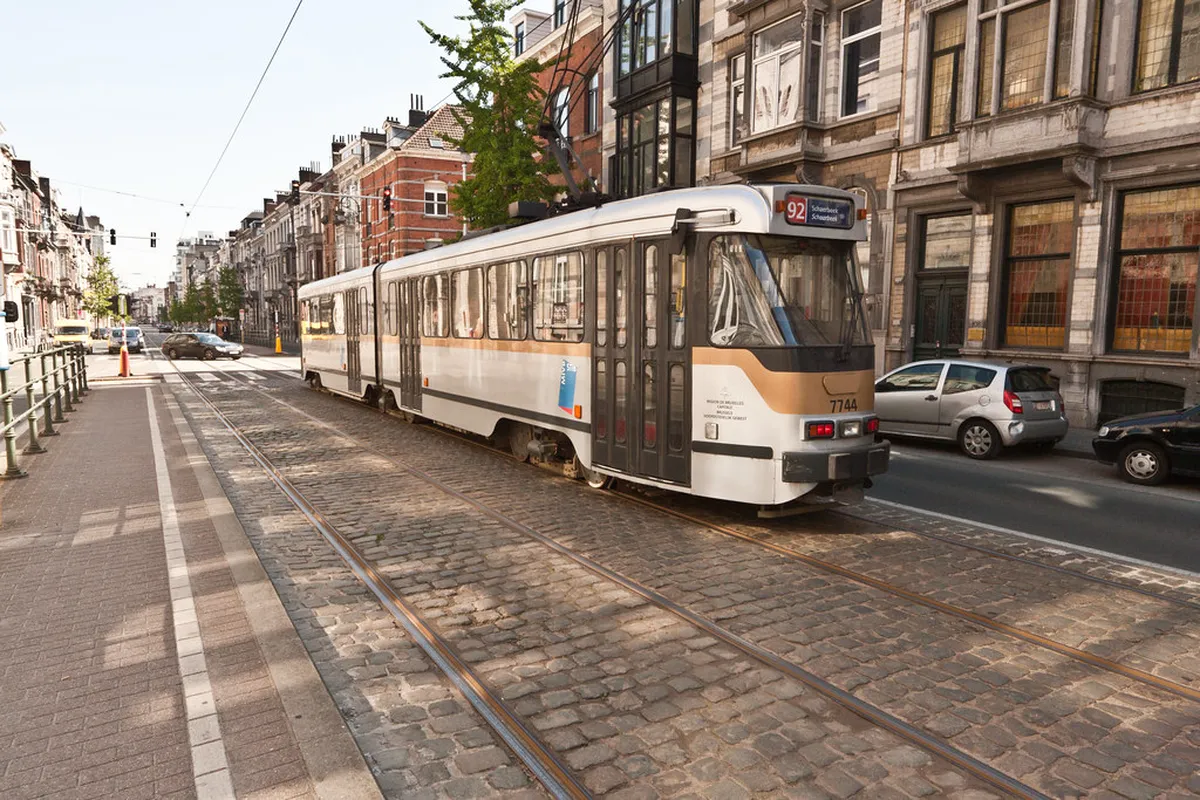
Brussels' queer scene concentrates in the Saint-Jacques district, a few minutes' walk from Grand Place. The main artery is Rue du Marché au Charbon, also signed as Kolenmarkt on Flemish-language maps and street plates. Both names matter, since Google Maps and local signage sometimes default to Flemish instead of French. Staying inside the district cuts travel time between bars, drag shows, and late-night food to a few blocks. Travelers who prefer a quieter base or less street noise can lodge outside the district instead. A short walk in works fine, since the strip stays loud past midnight on weekends. For a wider view of where nightlife clusters citywide, see this breakdown of Brussels Nightlife Areas: A District-by-District Guide for 2026. Brussels nightlife overall gets fuller coverage in this citywide guide, useful for evenings outside Saint-Jacques.
- Proximity: most queer bars sit within a five-minute walk of each other and of Grand Place
- Density: little need for taxis or night buses between venues early in the evening
- Trade-off: the strip stays loud until late on weekend nights, since bar crowds spill onto the street
Top Gay Bars in Brussels: From Drag Shows to Neighborhood Pubs
Picking a bar in Brussels comes down to the kind of night planned. Chez Maman leans into drag and cabaret performance. Le Belgica suits a high-energy, mixed crowd for bar-hopping. Station BXL and La Réserve fit a slower-paced, more local evening instead. L'Homo Erectus works well for an early terrace drink before moving on elsewhere. Compare these picks against the citywide 10 Best Bars in Brussels: From Historic Pubs to Cocktails (2026) roundup for broader context. The 8 Best Pubs in Brussels: A Local’s Beer Guide (2026) guide covers the wider drinking scene beyond Saint-Jacques.
- Chez Maman (Rue des Grands Carmes 7): drag cabaret with dancing and lights, open Friday and Saturday only, and packed by late evening
- Le Belgica (Rue du Marché au Charbon / Kolenmarkt 32): mixed, high-energy crowd with a loyal weekend following
- Station BXL (Rue du Marché au Charbon / Kolenmarkt 27): a relaxed spot that skews toward an older, local crowd, with a terrace worth grabbing early
- La Réserve (Pt Rue au Beurre 2): one of the longest-running gay bars in the city, known for a friendly, traditional atmosphere
- L'Homo Erectus (Rue du Marché au Charbon / Kolenmarkt 5): a trendier, younger bar with a terrace that fills up fast on weekends
Dancing and Clubbing: The Truth About Brussels Gay Nightlife's 'No Gay Club' Myth
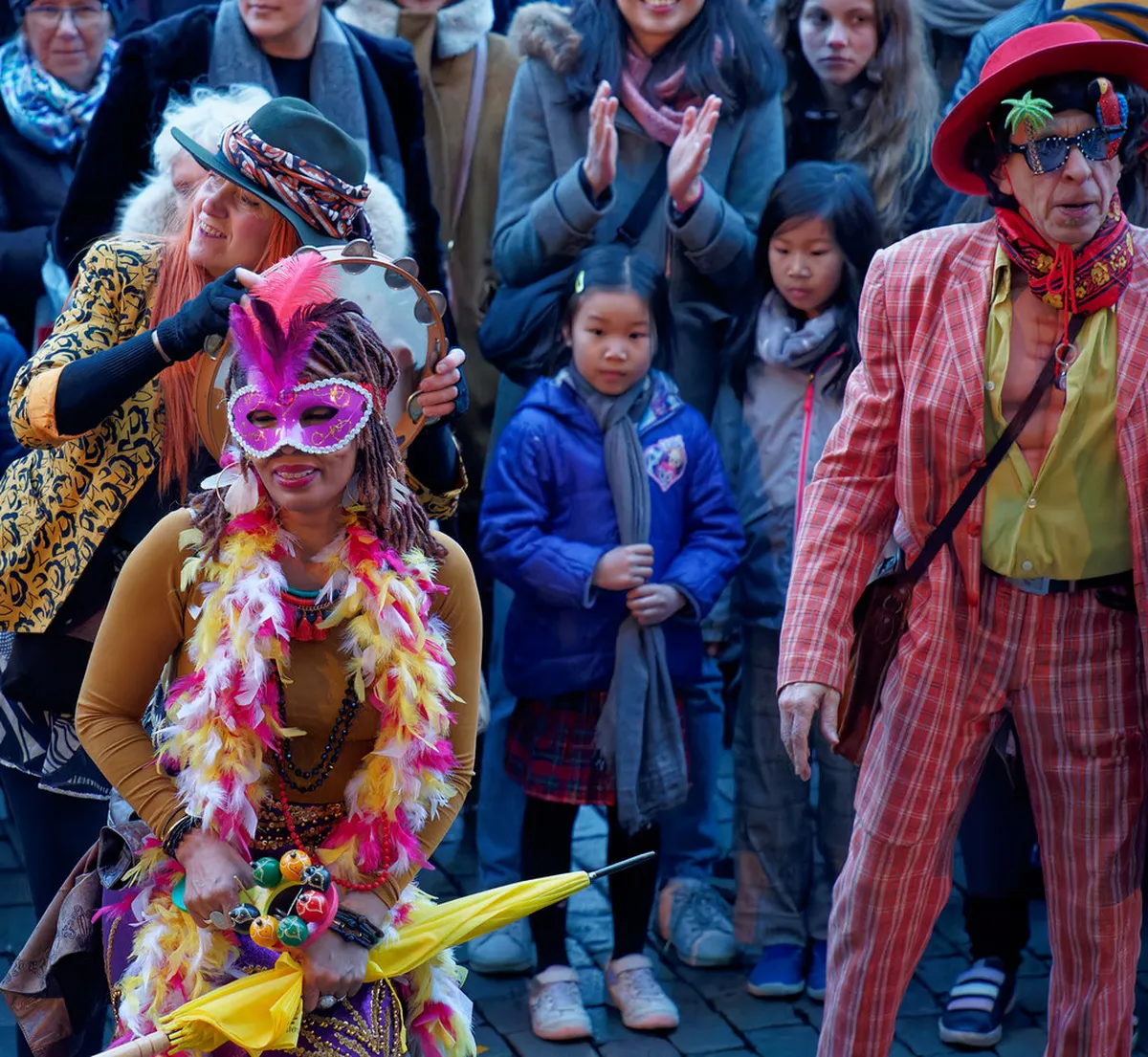
A persistent online rumor claims Brussels has no gay clubs. That is not entirely accurate. Dedicated, permanent gay dance clubs are rare, but the party scene built around specific nights is strong. La Demence, C12, and Fuse fill that gap instead of one fixed venue. Its parties have run at Fuse for years and are often the main reason travelers time a trip around it. It typically returns about once a month, plus extra editions on holiday weekends. The New Year's Eve edition draws large numbers of international visitors. Entry for a major La Demence date usually runs €15 to €30, well above a standard bar cover. Doors barely matter before 1 a.m., since crowds build slowly through the night. Tickets typically go on sale online in advance. Buying ahead avoids the risk of a sold-out door, especially for the New Year's Eve edition. Check the event's current dress code before buying, since requirements can shift between editions. For a citywide list of dance floors and cover charges, see the 8 Best Brussels Clubs for an Unforgettable Night Out (2026) guide.
| Venue | Vibe | Notes |
|---|---|---|
| Fuse (La Demence) | World-known circuit party | Roughly once a month plus holiday-weekend editions; New Year's Eve draws large international crowds |
| C12 | Queer-friendly techno | Electronic-focused nights outside the Demence calendar |
| Fuse (non-Demence nights) | General techno club | Queer-safe on nights without a themed party |
| Cave | Underground, cruising-friendly dance floor | Located at Pl. de la Chapelle 6, later closing hours |
Cruising and Saunas: Macho, Oasis, and Stammbar
Brussels has a small but established cruising and sauna scene, concentrated in and near Saint-Jacques. Macho Sauna sits at Rue du Marché au Charbon / Kolenmarkt 106, close to Grand Place, with a reputation for being clean and central. Oasis Sauna, at Rue Van Orley 10, is larger, with a pool, a hammam, and private cabins. Stammbar functions as the main leather, fetish, and cruising bar in the center, staying open later than most neighboring pubs. None of these venues publish real-time capacity online. Confirm current opening hours directly with each venue before visiting, since schedules shift by season. Arriving earlier on a weekend night improves the odds of getting in without a wait.
A barber near Rue du Marché au Charbon runs around €15, making it easy to get cleaned up before a night that includes the cruising and sauna scene clustered nearby.
Essential Logistics: Timing, Costs, and Transport for Brussels Gay Nightlife
Timing shapes how a night in gay Brussels unfolds, with clubs peaking hours after the bars fill. Getting home late stays simple, since the Saint-Jacques district is fully walkable. The STIB/MIVB Noctis night bus network covers the wider center on a reduced late-night schedule. In our editorial assessment, the Saint-Jacques strip feels calmer than more isolated pedestrian zones after midnight, since it keeps steady foot traffic most of the night. Standard city awareness still applies elsewhere, especially in quieter pedestrian zones late at night. Post-club food is easy to find nearby. Greek restaurants along Rue du Marché aux Fromages serve meals for around €20. A haircut at a barber near Rue du Marché au Charbon runs around €15, an easy stop before heading out for the night. For alternatives to a clubbing-focused evening, see 8 Best Things to Do in Brussels at Night: A 2026 Guide.
| Category | What to know |
|---|---|
| Bars | Fill up from around 10 p.m. |
| Clubs and parties | Peak after 1 a.m. |
| Beer | €5-€7 at most bars in the district |
| Club entry | €15-€30 for a themed party or circuit night |
| Night transport | STIB/MIVB Noctis buses run after regular trains and trams stop |
Beyond the Bar: Queer Culture, Stays, and Day Trips
Nightlife is not the only queer-focused reason to visit Brussels. RainbowHouse, the city's LGBTQ+ community center, operates from the historic Pink House building near the Saint-Jacques strip. Misterb&b offers a host-based lodging alternative to standard hotels, connecting travelers with local queer hosts instead of anonymous rooms. Booking.com's TravelProud program flags hotels in Brussels with LGBTQ+-trained staff, an easy filter when comparing stays near Saint-Jacques. Avenue Louise represents a different side of Brussels nightlife, more upscale and less queer-specific. The Avenue Louise nightlife guide covers that contrast in full. Travelers who want live music beyond the gay bar circuit can check the citywide live music venues in Brussels guide. Antwerp sits about 45 minutes away by train and has a complementary gay scene, worth a day trip for anyone staying more than a long weekend.
Antwerp is about 45 minutes away by train, which makes it a reasonable day-trip pairing for anyone basing a longer stay around the Saint-Jacques strip.
Frequently Asked Questions
Is Brussels safe for gay travelers?
Brussels is generally considered one of Europe's more progressive capitals for LGBTQ+ travelers. Belgium was the second country in the world to legalize same-sex marriage, in 2003. Eurobarometer polling puts support for same-sex marriage among Belgians at 79%, among the highest rates in Europe. The Saint-Jacques district feels safe and comfortable most nights. Standard city awareness still applies in crowded transport hubs and quiet pedestrian zones late at night.
Where is the gay area in Brussels?
The gay area centers on Rue du Marché au Charbon, also signed as Kolenmarkt, inside the Saint-Jacques district. It sits a short walk from Grand Place, making it easy to combine sightseeing with an evening out.
Does Brussels actually have gay clubs?
Permanent, dedicated gay dance clubs are rare in Brussels. Recurring parties fill that role instead, including La Demence at Fuse and queer-friendly nights at C12. These run on a rotating schedule rather than from one fixed address.
When does La Demence happen?
La Demence runs at Fuse roughly once a month, with extra editions added on holiday weekends. The New Year's Eve edition is the largest and draws many international visitors. Book travel and tickets early for that date.
When is Brussels Pride?
Brussels Pride usually takes place in May, with a Pride Village set up in the city center. Expect the surrounding streets, including the Saint-Jacques district, to be busier than usual that week.
Do you need to stay inside Saint-Jacques?
Staying inside Saint-Jacques is not required. Saint-Jacques itself is compact enough to reach on foot or by a short night-bus ride from most central hotels. Lodging just outside it can mean a quieter room without losing easy access to the bars.


