

Live Music Venues in Manchester Nightlife
Last updated July 2026, this guide maps the live music venues Manchester nightlife is built around, from historic halls to grassroots back rooms. Manchester’s UNESCO City of Music status fits a city shaped by The Smiths, Oasis, Joy Division, and the club legacy behind Hacienda music history. Use it to choose the right neighborhood, avoid sold-out dead ends, and link your gig to the wider 8 Best Manchester Nightlife Areas for Bars, Clubs and Late Nights scene.
Quick Answer: Where Live Music Venues Shape Manchester Nightlife
Start with three zones. The Northern Quarter suits independent venues, small rooms, and pre-gig bars. Oxford Road and the university district suit touring acts, student crowds, and bigger midweek schedules. Deansgate, Castlefield, Ancoats, and New Islington help when you want a concert night with dinner, late bars, or a move toward clubs after the show. The practical rule is simple. Pick one cluster, book the anchor gig first, then keep two nearby backups in mind.
How to Choose Your Manchester Music Area
Manchester city center is compact enough for a focused night, but the best plan still depends on your venue cluster. Avoid treating the city as one giant pub crawl. Live music starts earlier than club nights, and many headline sets end before late-night venues peak. If your gig sells out, you will have a better night if your backup is in the same area.
- Choose the Northern Quarter when you want independent rooms, bar-to-bar movement, and easy links into the Northern Quarter bars scene.
- Choose Oxford Road when you want touring bands, student energy, and a simple corridor of venues near the university district.
- Choose Ancoats or New Islington when you want a newer food-and-drink base before checking current listings for smaller music rooms.
- Choose Deansgate or Castlefield when you want a more polished night that can start near concert halls and continue toward Deansgate Locks bars.
The Northern Quarter: Independent Rooms and Last-Minute Options
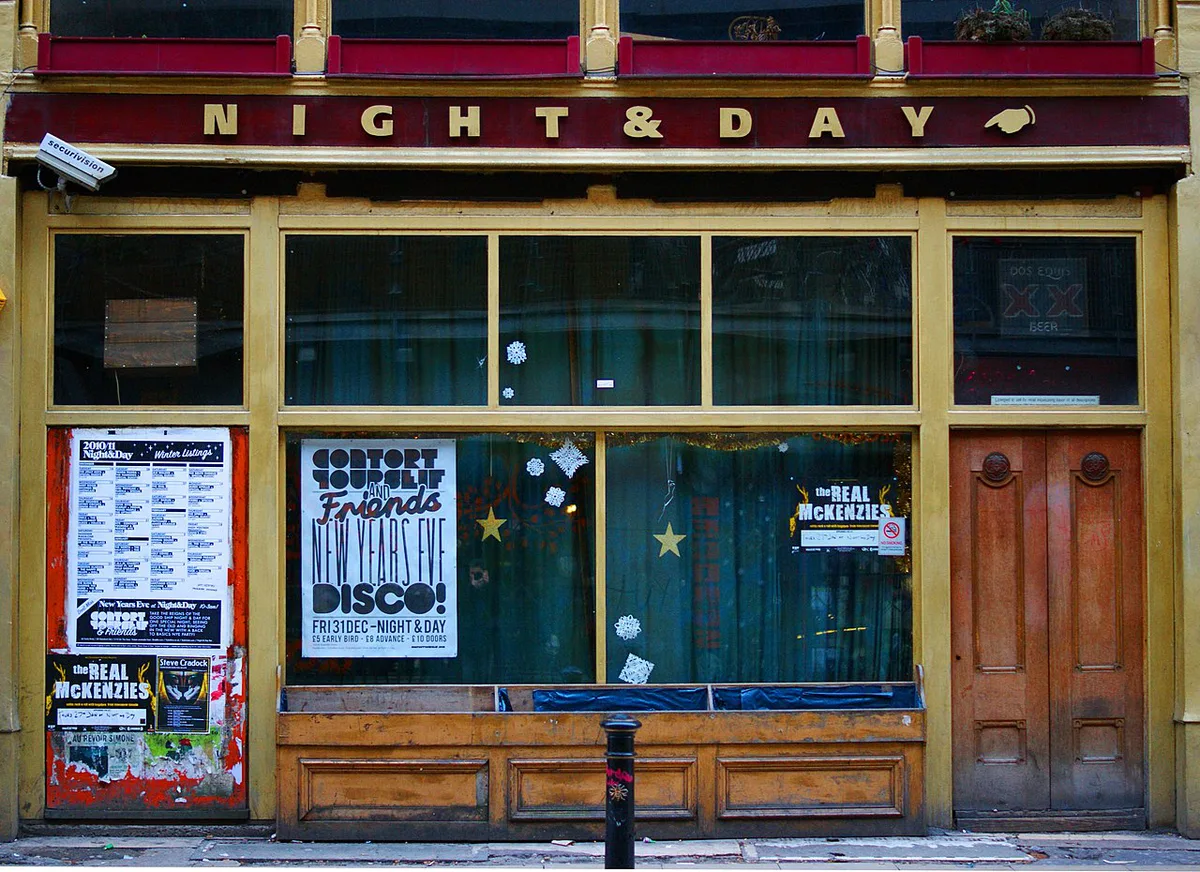
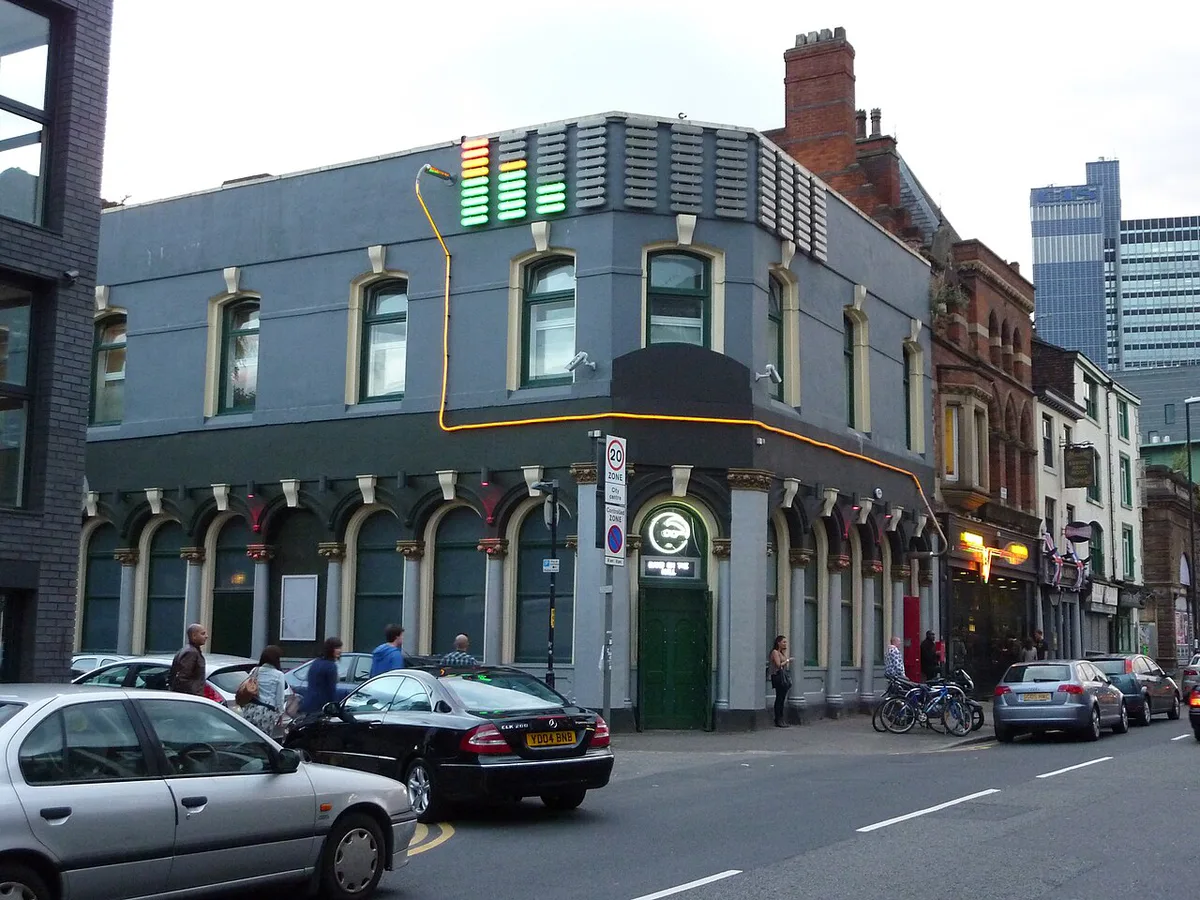
The Northern Quarter is the easiest Manchester area for a live music night that still has flexibility. The brief identifies Band on the Wall on Swan Street as a key venue. It is known for jazz and global music, and its name comes from a stage built high on the wall by a 1930s landlord. Check the current programme before you build the night around it. Grassroots schedules change, and smaller venues can sell out faster than casual visitors expect. Night & Day Cafe and Gullivers are useful names to check for intimate shows, but confirm current listings before assuming a specific event is running.
- Best fit: jazz, global music, new bands, small-room shows, and pre-gig drinks.
- Good backup strategy: search same-night listings in nearby independent venues before crossing the city.
- Planning cue: use this area when your group wants music first and bars second.
- Internal link: combine the gig with the wider Northern Quarter bar route.
Oxford Road and the University District: Touring Gigs and Student Nights
Oxford Road is the practical choice when you want a touring-act night without losing the city-center feel. The brief frames this area as the student and touring hub. That matters because touring schedules often create a different rhythm from small back-room gigs. Doors can open early, headline sets can finish before late club hours, and the crowd may move quickly after curfew. If you want a later finish, decide before the gig whether you are moving to a bar, a club, or back toward your hotel.
| Need | Best Planning Move | Why It Works |
|---|---|---|
| Touring acts | Check Oxford Road listings first | The brief identifies it as Manchester’s student and touring hub |
| Low-friction night | Stay on one corridor | You reduce late-night transport decisions |
| Post-gig dancing | Choose a club plan before doors | Live music curfews often differ from club schedules |
Ancoats and New Islington: Alternative Base Before the Gig
Ancoats and New Islington work best as a pre-gig base when your chosen show is nearby or when you want a less obvious Manchester night. The brief describes this area as an emerging alternative. Treat that as a planning cue, not a guarantee that every venue will suit live music on your date. Check same-night listings before you commit. If nothing fits, the Northern Quarter remains the easier fallback because it has a denser independent music-and-bars pattern.
Deansgate and Castlefield: Concert Halls, Bars, and After-Dark Movement
Deansgate and Castlefield are useful when your night leans more structured. You can start with a seated or established concert format, then shift toward bars afterward. The brief points to this area as a bridge from Deansgate Locks to established concert halls. That makes it a better fit for mixed groups. Some people can treat the gig as the main event, while others can continue later toward club-style nightlife. For a heavier dance finish, compare your options with the guide to the best nightclubs before you leave the venue.
Historic Venues: The Icons With Manchester Music Weight
Manchester’s best-known live rooms matter because the city sells more than a set time. The venue itself is often part of the night. The brief highlights Albert Hall and the Ritz as history-heavy names. They suit visitors who want architecture, music legacy, and a bigger room than a pub back space. They also connect naturally to Manchester’s club-memory circuit, especially if you are tracing the city from post-punk and indie into dance culture. Use Hacienda Manchester history for that wider context before choosing a late-night route.
- Pick historic halls when the building matters as much as the set list.
- Book earlier for well-known touring artists because these shows can sell out.
- Check the venue’s own entry rules before arrival, especially bag size and ID policy.
- Plan a post-show move because live sets often finish earlier than club nights.
Grassroots and Independent Venues: Smaller Rooms With Higher Stakes
Grassroots venues are where Manchester’s music scene stays alive between major tours. The brief names Night & Day Cafe and Gullivers as examples of small-capacity rooms where new talent is discovered. These venues can feel less predictable than arena listings, but that is part of the point. The tradeoff is practical. Listings can change, tickets can be limited, and door policies may be stricter on busy nights. Use primary venue pages first, then ethical resale platforms only when the show is sold out.
- Best fit: new bands, local bills, support acts, and intimate shows.
- Main risk: small rooms can sell out before visitors notice the listing.
- Backup move: search nearby venues in the same neighborhood before choosing street hailing.
- Status check: confirm current operation and same-night listings before you travel.
Electronic and Warehouse Culture: Bands Are Not the Whole Story
Manchester nightlife is not only guitar bands and singer-songwriters. The city’s electronic side has its own rhythm, and it often runs later than live-act curfews. The brief specifically separates live bands from the club scene and points to The Warehouse Project Manchester: The Ultimate Visitor's Guide (2026) as the key reference. Treat it as a different type of night. You may need later transport, stronger ID preparation, and a clearer plan for getting home after midnight.
| Night Type | Typical Feel | Planning Difference |
|---|---|---|
| Live band gig | Earlier headline set | Plan dinner or drinks before doors |
| Electronic event | Later finish | Plan transport after midnight |
| Club night | Dance-led schedule | Compare areas before committing |
LGBTQ+ Live Music Around Canal Street
Canal Street and the Gay Village are essential to Manchester nightlife, and they can also shape a music-led night. The brief asks you to include LGBTQ+ spaces when planning live music. Do that by checking current listings around the village before assuming the format. Some nights lean cabaret, DJs, drag, or themed performance rather than a standard band bill. For area planning, use the Canal Street Gay Village guide alongside live listings. That keeps the focus on both the show and the neighborhood.
Top Manchester Venue Experiences by Vibe
Instead of ranking venues as if one night suits everyone, sort them by the experience you want. This also helps when tickets sell out. You can replace a sold-out historic hall with another large-room listing, or replace a small indie bill with a nearby grassroots room. Do not replace a live gig with a warehouse event unless your group wants a later, more club-led night.
- The grandeur: check Albert Hall or the Ritz when you want a room with visible history.
- The jazz and global-music anchor: check Band on the Wall on Swan Street.
- The underground option: search current basement and industrial-space listings before choosing a late plan.
- The intimate pub-room route: check Night & Day Cafe and Gullivers for current small-room bills.
- The electronic route: use Warehouse Project listings when your night is closer to dance culture than a band gig.
- The LGBTQ+ performance route: check current Canal Street and Gay Village listings for music, cabaret, and performance-led nights.
Tickets, Resale, and Sold-Out Nights
Buy from the venue, promoter, or primary ticket platform first. The brief names Twickets and Dice as ethical resale routes to consider when a show is sold out. Do not treat street offers or random social posts as a plan. The cost picture changes by artist, room size, and demand, and the supplied brief does not provide sourced ticket prices. For 2026 planning, check the official event page first, then compare authorized resale only if the primary allocation has gone. A major touring act will usually sit above a small grassroots bill in cost, even when exact prices are not supplied.
If a sold-out show pushes you to Twickets or Dice, keep the replacement close by. Many live sets finish around 10:00 PM or 11:00 PM, so crossing town for a backup can eat the time you meant to use for bars or clubs.
- First check: the venue or promoter’s official listing.
- Second check: the primary ticketing platform linked by the venue.
- Sold-out check: ethical resale routes named in the brief, such as Twickets or Dice.
- Avoid: cash offers outside venues and unverifiable social-media sellers.
Curfews, Entry Rules, and What to Carry
The brief says live acts in Manchester commonly finish around 10:00 PM or 11:00 PM, while club nights run on a later pattern. Use that split when planning dinner, drinks, and transport. Entry rules can vary by venue, but A4-size bag limits and ID checks are common enough to plan around. Bring valid photo ID, keep your bag small, and read the venue email before arrival. If your night continues into clubs, expect a different door rhythm from the live gig.
| Issue | Practical Move | Why It Matters |
|---|---|---|
| Curfew | Expect many live sets to end around 10:00 PM or 11:00 PM | You can still plan a second stop |
| Bag policy | Keep bags around A4 size when possible | Many venues restrict larger bags |
| ID | Carry valid photo ID | UK venues may check age and ticket names |
| Late plans | Choose a post-gig area before the show | It avoids rushed decisions after doors close |
Transport: Bee Network, Walking, and Getting Home
The brief identifies the Bee Network as the relevant transport frame for Manchester buses and trams. Use it for current routes, service changes, and late-night planning. The city center is walkable for many gig-to-bar moves, but do not rely on walking for every late-night journey. After midnight, compare night buses, trams where available, and app-based rides. Pick your pickup point away from the tightest venue door crowd when possible. That makes meeting your driver or group simpler.
Arena nights need a different exit plan from city-centre venue hopping. AO Arena is by Manchester Victoria, while Co-op Live is beside Etihad Campus, so tram checks and pickup points matter more than they would after a small Northern Quarter gig.
- Before the gig: check Bee Network updates for buses and trams.
- After the gig: decide whether you are walking, using transit, or booking a ride.
- After midnight: allow extra time around busy exits and club streets.
- Group plan: choose one meeting point before the headline set starts.
Music Tourism Beyond the Gig
A Manchester music trip can start before doors open. The brief calls out record stores with in-store performances and musical walking tours as useful add-ons. Check current store calendars before building a day around an in-store set. For walking tours, choose one that matches your interest. Indie, post-punk, club culture, and Oasis-era routes can tell different stories. If your main reason for visiting is the city’s club legacy, pair the daytime route with the Hacienda story before moving into the evening.
A Practical One-Night Plan
For one night, keep the plan tight. Start with the venue, not the bar. Then build outward by neighborhood. If the show is in the Northern Quarter, eat nearby, check the support-act time, and leave room for a second small venue afterward. If the show is on Oxford Road, stay on that corridor until the gig ends, then choose either a late bar or a club route. If your concert is around Deansgate or Castlefield, decide before arrival whether the night ends with drinks or continues into dance-led nightlife.
- Step 1: book or confirm the gig listing.
- Step 2: choose a pre-gig bar within the same area.
- Step 3: check curfew and last-entry notes.
- Step 4: save one backup venue listing nearby.
- Step 5: choose your transport home before midnight.
Safety and Common-Sense Night Planning
Manchester is a major nightlife city, so treat a music night like any other busy urban evening. Keep your ticket, ID, and payment method easy to reach. Avoid splitting from your group outside crowded exits. If a venue or bar promotes a safe-space or welfare initiative, use the staff route rather than trying to solve a problem alone. The brief points to safe-space initiatives as part of city nightlife planning, but exact schemes can change. Check current venue information on the night you go.
Arena Shows vs City-Centre Venues
Do not plan AO Arena or Co-op Live like a small Northern Quarter gig. They are major concert nights, with bigger crowds, earlier arrival needs, and a different exit pattern after the encore.
AO Arena sits by Manchester Victoria, which makes it useful for visitors staying near the city centre, Deansgate, or the Northern Quarter. Co-op Live is beside the Etihad Campus, so check tram plans and post-show crowd management before booking dinner or late drinks elsewhere.
- Best for: global tours, arena pop, major rock acts, and large comedy or entertainment bills.
- Planning risk: queues, bag checks, and transport bottlenecks can take longer than at Albert Hall or the Ritz.
- Backup idea: if an arena show sells out, look for same-night listings at New Century Hall, Albert Hall, or O2 Ritz instead.
For a first Manchester music trip, pair an arena night with a smaller venue on another evening. That gives you both the scale and the grassroots side of the city.
Further reading: Manchester on Wikivoyage · Manchester on Wikipedia
Explore nightlife in other cities
Frequently Asked Questions
Which Manchester music venue is the most famous?
There is no single answer for every traveler. The brief highlights history-heavy venues such as Albert Hall and the Ritz, plus Band on the Wall for jazz and global music. If your interest is club culture, connect the venue choice with Hacienda music history.
Are there free live music venues in Manchester?
Free gigs can exist, but the supplied brief does not confirm current free-entry venues or dates. Check venue listings, record-store calendars, and same-day event pages before you go. Small venues may still require advance booking, even for low-cost or no-cover events.
What is the best area to stay in for music lovers?
The Northern Quarter is the most flexible base for independent venues and bars. Oxford Road suits touring gigs and student-heavy nights. Deansgate and Castlefield work better when you want established concert halls plus easier movement toward late bars.
How do I find out who is playing tonight in Manchester?
Start with the official venue pages for Band on the Wall, Night & Day Cafe, Gullivers, Albert Hall, and the Ritz. Then check primary ticketing pages and ethical resale routes such as Twickets or Dice if a show is sold out. Keep the search within one neighborhood so your backup plan stays realistic.
What time do live gigs usually finish in Manchester?
The brief says live acts commonly finish around 10:00 PM or 11:00 PM. Club nights can run later, so plan the second half of your night separately. If you want dancing after the gig, compare areas in the Manchester clubs guide before you leave.
Do Manchester venues require ID?
Many UK venues can ask for valid photo ID, especially for age checks or ticket-name checks. Bring ID even if your event is mainly a concert. Also check the venue email for bag limits, because A4-size restrictions are common.