
Belgrade Splavs: The Ultimate Guide to Floating River Clubs (2026)
Ask anyone who has been out in Belgrade what defines the city's nightlife and the answer comes back the same: the splavs. A splav (plural: splavovi) is a barge-mounted club moored to the bank of the Sava or Danube, and for a few months every year they become the single most talked-about part of Belgrade nightlife. Nowhere else in Europe does an entire club scene physically relocate onto the water like this.
This guide is built specifically around the splav experience — which riverbank to head to, which venues fit which mood, when the season actually runs, and the reservation and dress-code rules that trip up almost every first-time visitor. If you also want the land-based side of the scene, pair this with our guides to the best clubs in Belgrade, the techno clubs, and best bars in Belgrade.
Updated for 2026, this covers the current Savski Kej lineup, the Dorćol Port underground strip on the Danube, and the practical logistics — transport, cost, and timing — you need to actually pull off a splav night without wasting an evening in a queue.
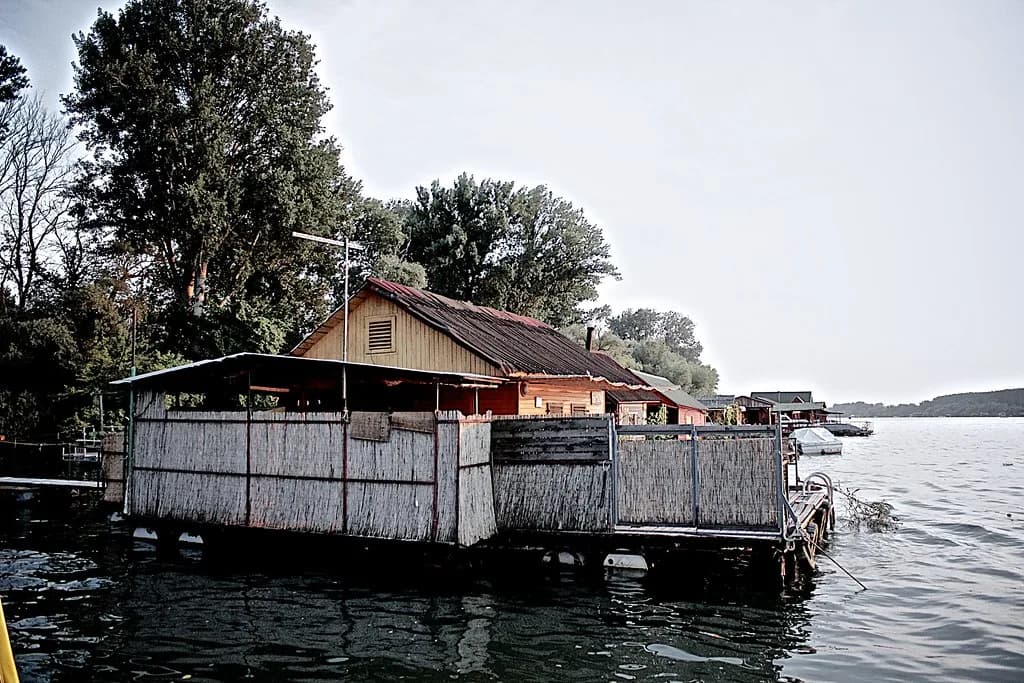
What Is a Splav? Belgrade's Floating Nightlife Tradition
A splav is exactly what it sounds like: a raft or barge, permanently moored to the riverbank, converted into a functioning nightclub with a bar, a dance floor, and a sound system. Around the first week of June, most of the city's big indoor venues shut their winter locations and reopen on the water; they move back inland in late September. This seasonal migration is unique to Belgrade — no other European capital rotates its entire club geography with the calendar the way this one does.
The tradition traces back to boathouses along the Sava that locals converted into makeshift bars decades ago, long before "splav" became a fixture on every Belgrade nightlife list. What started as improvised riverside hangouts has grown into a proper industry, with venues investing in sound systems, VIP decks, and booking DJs from across the region. The result is a scene that feels distinctly local rather than built for tourists, even though it now draws visitors from across Europe every summer.
Splavs split broadly into two categories: mainstream commercial venues built around bottle service and pop or EDM, and smaller underground rooms built around serious electronic programming. Knowing which side of that line a venue sits on before you go is the difference between a great night and a mismatched one.
Savski Kej: The Mainstream Splav Strip
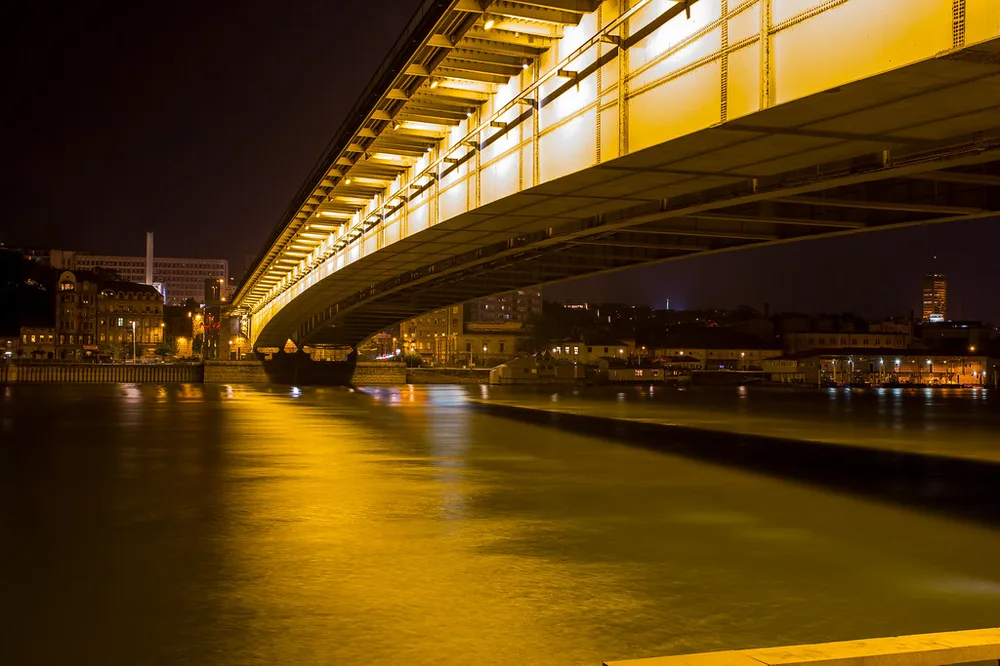
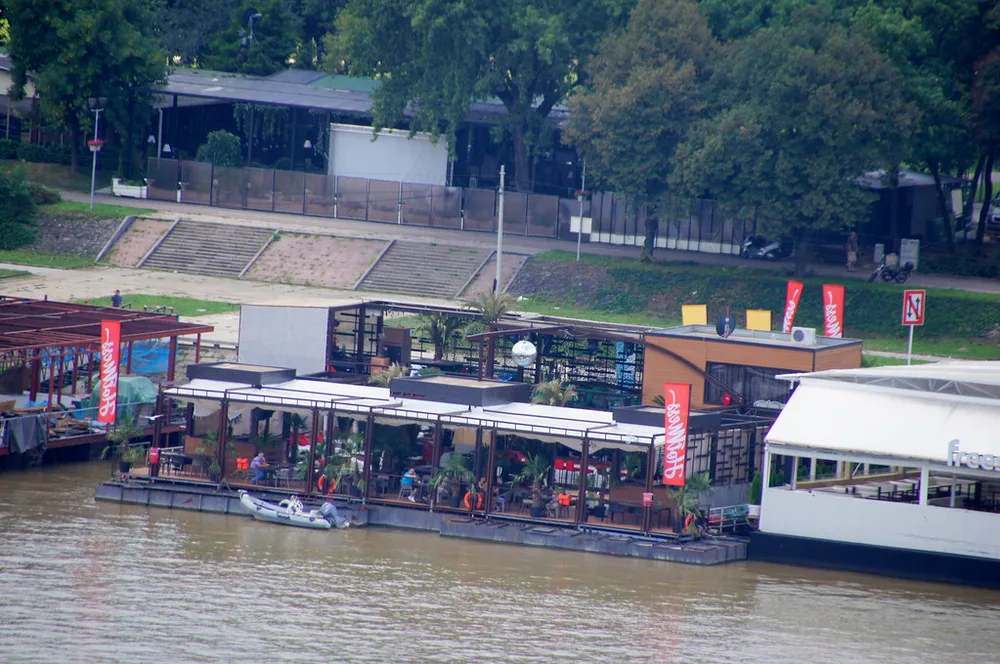
Savski Kej, the stretch of Sava riverbank near Brankov Most, is where most first-time visitors end up, and for good reason — it concentrates the city's best-known mainstream splavs within easy walking distance of each other. Freestyler is the flagship: mainstream EDM, a polished bottle-service crowd, and consistently the busiest room on the strip on a summer Saturday. Leto sits nearby with a pop-house sound and a noticeably younger crowd.
Lasta and Splav TAG round out the strip, with TAG known for themed dance nights that rotate through the summer calendar. Sindikat leans into a live-band and rock-electronic hybrid on weekends, which makes it the best option on Savski Kej if pure DJ sets aren't your thing. If you're weighing splavs against the city's dedicated dance-floor venues, our guide to the best clubs in Belgrade covers how the indoor scene compares.
Expect smart-casual dress codes across almost all of these venues — no flip-flops, no sports shorts, even when it's 32°C at midnight. None of them charge a hard cover at the door, but during peak weekends a table reservation is effectively mandatory; a walk-in on a Saturday in July rarely gets you in without a long wait.
Dorćol Port: The Underground Danube Splavs
Cross to the Danube side and the mood shifts entirely. Dorćol Port is where Belgrade's serious electronic-music crowd goes, anchored by 20/44 and Brodic — both known for genuinely committed underground programming rather than commercial crowd-pleasers. This is the natural next stop if you've already read our guide to Belgrade's techno clubs and want the floating-venue equivalent.
The Dorćol Port crowd skews older and more locally rooted than Savski Kej, and the dress code relaxes accordingly — nobody is checking your shoes at the door. What doesn't relax is the quality of the booking: DJs here often play longer, more exploratory sets than the mainstream strip allows, and the rooms stay full well past sunrise on the right night.
If your plan is to bar-hop before committing to a splav, Dorćol's land-based cocktail scene (covered in our best bars in Belgrade guide) makes a natural staging ground before you cross to the water side after midnight.
When to Go: Splav Season and Timing
Splav season runs roughly from the first week of June through late September, tracking closely with warm weather. Outside that window, most riverside venues either close entirely or scale back drastically — some splavs stop operating altogether between December and mid-February, so if you're visiting Belgrade in deep winter, don't build your night around the river.
Within the season, nights run late: doors effectively open around 23:00 and venues stay loud until 06:00. Nothing meaningful happens before midnight, and the real peak window is 02:00–04:00. If you arrive expecting an early-evening scene, you'll find an empty deck and a bored bartender.
Pack for temperature swings. It can be uncomfortably warm on the dance floor at midnight and genuinely cool on an open deck by 03:00 as the river air moves in — bring a light layer even in the height of summer, especially if you plan to stay until sunrise.
Reservations, Dress Code, and Getting Past the Door
The single biggest mistake visitors make with splavs is treating them like a ticketed venue. Most don't charge a hard cover — instead, you're paying for table access, and that access is what a reservation actually buys you. On a peak summer Saturday, walking up to Freestyler or Leto without a booking usually means a long queue and no guarantee of getting in at all.
Reserve through the venue's Instagram DM or WhatsApp a few days ahead of a weekend visit — three to five days is the safe margin during July and August. Mainstream Savski Kej venues expect smart-casual dress: dark jeans or chinos, a collared shirt or dress, closed shoes. Dorćol Port's underground rooms don't enforce anything close to that, so dress for comfort instead.
Face control at the door is real but not purely about spend — doormen at the busier mainstream splavs are filtering for composure and style as much as anything else. Arriving before 01:00 rather than after 02:00, and coming as a mixed group rather than an all-male one, both make the door noticeably easier.
Getting to the Splavs: Transport and Logistics
Skip street-hailed taxis and use the CarGo app, the local Uber equivalent — it's the standard way locals get around at night, and it protects you from the inflated fares that flagged taxis charge outside busy venues after midnight. A ride from Savamala across to Savski Kej typically runs 500–700 RSD, a fraction of what a flagged taxi will try to charge at 03:00.
Because Savski Kej and Dorćol Port sit on opposite riverbanks, plan your night around one side rather than trying to hit both in a single evening — the crossing takes long enough, especially by taxi in peak traffic, that hopping back and forth eats into your actual time on the dance floor.
Cash still matters at the margins even though most splavs take cards for drinks and table minimums — keep a small amount on hand for anything informal along the way, and don't count on ATMs being conveniently placed once you're out on the riverbank itself.
Frequently Asked Questions
What exactly is a splav in Belgrade?
A splav is a barge-mounted nightclub moored to the bank of the Sava or Danube River. Most of the city's major venues relocate onto these floating platforms for the warm months, making splavs the signature Belgrade nightlife experience. They range from mainstream bottle-service rooms to serious underground electronic venues.
When is splav season in Belgrade?
Splav season generally runs from the first week of June through late September, when venues migrate from their indoor winter locations onto the water. Some splavs scale back or close entirely between December and mid-February. For the full floating experience, visiting between June and August is your best bet.
Do I need a reservation to get into a splav?
Most splavs don't charge a hard cover, but a table reservation is effectively required to guarantee entry on peak summer weekends. Message the venue on Instagram DM or WhatsApp a few days ahead of a Friday or Saturday visit. Walking up without a booking on a busy summer Saturday rarely works.
What's the difference between Savski Kej and Dorćol Port splavs?
Savski Kej, on the Sava riverbank, hosts the mainstream splavs like Freestyler and Leto, with a bottle-service crowd and smart-casual dress codes. Dorćol Port, on the Danube, leans underground and electronic with venues like 20/44 and Brodic, and it has a much more relaxed dress code. First-timers usually default to Savski Kej; serious electronic-music fans should head to Dorćol.
What should I wear to a Belgrade splav?
Mainstream splavs on Savski Kej expect smart-casual attire — no flip-flops or sports shorts, even on a hot night. Underground venues on the Danube side are far more relaxed about what you wear. Regardless of venue, bring a light layer, since the river gets noticeably cooler after 03:00.
The splavs are the one Belgrade nightlife experience you shouldn't skip, but they reward a little planning — pick a riverbank to match your mood, book your table days ahead rather than hoping for a walk-in, and dress for the venue you're actually heading to. Combine a splav night with a stop at one of the best bars in Belgrade beforehand, or go straight for the techno clubs if the underground Danube scene is more your speed. However you build the night, the river is where Belgrade nightlife actually happens.