

12 Best Wine Bars in Milan for Enoteche, Natural Wine and Aperitivo
Last updated July 2026, this guide to the best wine bars in Milan helps you choose between classic enoteche, natural-wine rooms and aperitivo-focused counters. Milan rewards visitors who match the bar to the night: a standing glass in Chinatown, a seated natural bottle near Navigli, or a cellar-led dinner close to the Duomo. Use the list below to order Lombardy wines with more confidence and avoid treating every wine stop like a cocktail aperitivo.
How to Choose a Milan Enoteca
Start with the neighborhood, then choose the service style. Brera suits a polished pre-dinner glass. Chinatown works for a quick standing pour at a historic counter. Navigli leans natural and alternative, so it pairs well with a longer wine crawl after dinner. Isola is stronger for listening-bar energy and creative-crowd rooms. For a neighborhood-led night, combine this guide with the Navigli nightlife area guide before you commit to one district.
If the night starts in Chinatown, Cantine Isola’s 11:00 AM pours make it useful well before aperitivo; save slower seated natural-wine rooms near Navigli or Colonne di San Lorenzo for when conversation is the point.
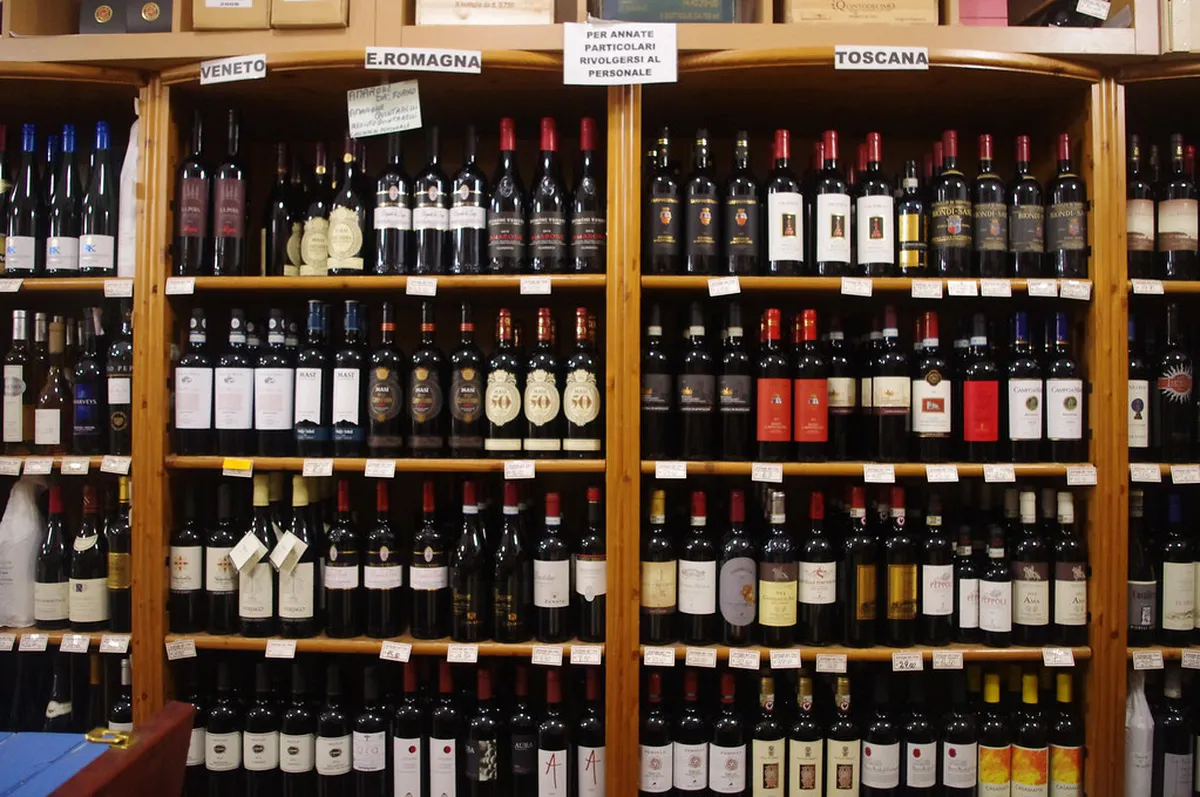
Service matters as much as the bottle list. An enoteca may work as both shop and bar, so you can browse bottles, ask for a glass, then leave without a long meal. A wine restaurant expects more time, more food and often a reservation. A natural-wine bar may offer fewer mainstream grapes, but better access to small producers and orange wines. Classic cellars tend to be stronger for Piedmontese, Tuscan, Champagne and Lombardy bottles.
For local ordering, look beyond Prosecco. Franciacorta is Lombardy’s key traditional-method sparkling wine. Valtellina reds use Nebbiolo, locally known as Chiavennasca. Oltrepò Pavese appears in sparkling and red styles. These names help you sound focused when a sommelier asks what you like.
| Decision | Best Fit | What to Ask For |
|---|---|---|
| Quick glass | Standing enoteca | Wine by the glass and a small snack |
| Date night | Seated wine bar | A bottle under the sommelier’s guidance |
| Local sparkling | Classic cellar or spumante specialist | Franciacorta or Oltrepò Pavese |
| Natural wine | Navigli, Ticinese or Città Studi | Skin-contact white, pét-nat or low-intervention red |
12 Best Wine Bars in Milan
This main list balances old-school bottiglierie, natural-wine rooms, design-led counters and cellar-heavy restaurants. Each pick has a different use case, so choose by mood before you choose by grape.
- Cantine Isola
- Go to Cantine Isola when you want the classic Milan enoteca experience without turning the night into dinner.
- The Chinatown shop is known for standing pours, shelves packed with bottles and an 11:00 AM opening noted in recent coverage.
- Ask for Franciacorta, Chiavennasca from Valtellina, or another Italian glass before moving on to the wider Milan nightlife scene.
- Vinoir
- Choose Vinoir in Navigli when you want natural wine with a firm point of view.
- The bar is described as banning conventional wine, so expect a focused list rather than a crowd-pleasing supermarket of styles.
- It works best for drinkers who want orange wines, low-intervention bottles and a slower night near the canal district.
- E/N Enoteca Naturale
- E/N Enoteca Naturale suits a social natural-wine night near Colonne di San Lorenzo.
- Recent competitor coverage describes it as an early natural-wine advocate in Milan since 2018.
- Plan it for a seated glass or bottle when you want conversation, outdoor space and a list that points away from conventional labels.
- Osteria Alla Concorrenza
- Pick Osteria Alla Concorrenza when you want a wine bar with osteria energy and serious food instincts.
- The brief links it to the team behind Trippa, so treat it as a higher-demand stop rather than a casual backup.
- Check the current booking setup before you go, especially if you want a table during peak dinner hours.
- La Cieca
- La Cieca is the playful choice for drinkers who want a blind tasting rather than another safe glass.
- Competitor notes describe anonymous pours from covered bottles and black glasses, with rewards for guessing the grape, region, or producer.
- Check current rules before building the whole night around the prize, because tasting games can change.
- El Buscia
- El Buscia is the Milan stop for sparkling-wine drinkers who want more than a default Prosecco order.
- The brief and competitor notes frame it around spumante, grower Champagne and Italian sparkling bottles.
- Ask for Franciacorta if you want a Lombardy reference point before comparing Trento DOC or Champagne.
- Cantina Piemontese
- Cantina Piemontese fits travelers who want classic wine service near the Duomo area rather than a bare-bones counter.
- Competitor coverage places it at Via Laghetto 2 and notes an almost 1,000-label wine selection.
- Order Piedmontese classics if you want Barolo or Barbaresco alongside a more formal meal.
- Remedy Wine & Spirits
- Remedy Wine & Spirits is for a cellar-led night with a polished club mood.
- Competitor coverage describes a ground-floor tasting room, a mezzanine, a cigar room and a basement cellar with 6,000 labels and 18,000 bottles.
- Use it when the wine list is the point, not when you want the loosest neighborhood aperitivo.
- Dexter
- Dexter works when you want wine and music to carry equal weight.
- Recent competitor notes describe it as a listening bar in Isola, where good sound meets good wine.
- Make it a first stop before later bars, or compare it with the moodier options in the 10 Best Bars in Milan: The Ultimate Drinking Guide (2026) guide.
- Bar Nico
- Bar Nico is a Città Studi choice for a younger, design-conscious crowd.
- Recent competitor coverage describes it as a no-reservations hangout founded by people who left the fashion industry.
- Arrive with a walk-in mindset, then check current policy before relying on it for a fixed-time group plan.
- Palinurobar
- Palinurobar is another Città Studi option when you want creative energy and natural wine.
- Competitor coverage frames it around young creatives and orange wine, with a room that feels deliberately retro.
- Use it for a relaxed second glass rather than a formal tasting appointment.
- Bottiglieria Bulloni
- Bottiglieria Bulloni is a historic option for drinkers who like bottle-lined rooms and traditional service.
- Competitor coverage says it was founded in 1933 and offers about 1,500 labels for takeaway and by the glass.
- It suits a quieter wine-focused plan when you want something more classic than the newer natural-wine wave.
Wine Aperitivo Is Not Cocktail Aperitivo
Milan’s cocktail aperitivo often makes the drink the entry ticket to a snack spread. A dedicated wine bar usually works differently. The bottle list leads the experience, and food is there to support the glass. Expect cheese, cured meats, small plates, or a proper menu depending on the venue.
With €7–€15 as the planning range for a typical glass, a standing counter keeps the stop light, while cellar-led rooms such as Remedy work better when the wine list itself is the reason to linger.
That difference matters for planning. If you want a fuller food setup, choose Vinodromo, Bottiglieria Bulloni, Cantina Piemontese, or Osteria Alla Concorrenza. If you want a quick glass before dinner, Cantine Isola is a cleaner fit. For spirits-led aperitivo, compare your plan with the Milan cocktail bars guide instead.
Budget also changes with service style. The brief gives €7–€15 as a typical glass range for 2026 planning. A rare Champagne, aged Barolo, or small-production Burgundy can sit above that range. A simple local white, young red, or house natural pour can keep the stop lower. When snacks become a seated meal, ask about coperto before you order.
What to Order if You Want Lombardy Wines
Franciacorta is the easiest Lombardy order for visitors. It is a traditional-method sparkling wine, so it gives you a local alternative when a menu pushes Champagne or Prosecco. El Buscia is the most obvious stop for this style. Classic cellars and restaurants may also list bottles from strong producers.
For red wine, ask about Valtellina. The grape is Nebbiolo, but local naming often uses Chiavennasca. The style can feel more lifted than bigger Piedmont reds, so it works well with cured meats, bresaola, aged cheese and richer northern dishes. If you like Barolo but want something regional, this is the smarter question.
Oltrepò Pavese gives you another Lombardy route. Look for sparkling bottles, Pinot Nero, or easier reds when available. Do not expect every bar to pour all 3 Lombardy options by the glass. A better question is simple: ask which Lombardy wine is open today.
- Ask for Franciacorta when you want local sparkling wine.
- Ask for Valtellina or Chiavennasca when you want Lombardy Nebbiolo.
- Ask about Oltrepò Pavese for sparkling wine, Pinot Nero, or softer reds.
- Ask what is open by the glass before choosing a full bottle.
Reservations, Walk-Ins and Timing
Your timing should match the room. Cantine Isola is useful earlier in the day because recent coverage notes 11:00 AM pours. That makes it unusual for visitors who want wine before the standard aperitivo window. It also means you can use it before dinner plans without overloading the night.
For seated natural-wine bars, plan more carefully. E/N Enoteca Naturale, Osteria Alla Concorrenza and Vinoir are better when you can give the table time. Osteria Alla Concorrenza deserves a booking check because the brief flags reservation friction. Bar Nico is described in recent competitor coverage as no-reservations, but you should verify the current policy before arranging a group around it.
Late evening is better when the bar itself is the destination. Dexter fits that mood because the sound system is part of the draw. Palinurobar and Bar Nico work better when you want the room’s crowd as much as the wine. For a wider after-dark plan, use the Milan at night guide after choosing your first glass.
| Venue Type | Best Move | Why It Works |
|---|---|---|
| Standing enoteca | Go early or pre-dinner | You can drink one glass without a full meal |
| Seated natural-wine bar | Check booking options | Tables can be limited at peak hours |
| Wine restaurant | Reserve when possible | Food and bottle service need more time |
| Listening bar | Go later | Music and atmosphere matter more after dinner |
Common Mistakes to Avoid
Do not walk into a serious enoteca expecting a full buffet. Wine bars are usually built around the bottle, not unlimited food. Order one focused glass first, then decide whether the snacks justify staying for a second.
Avoid defaulting to Prosecco everywhere. Franciacorta is the better Lombardy question when you want sparkling wine with local relevance. At El Buscia, this is especially important because the bar’s theme points toward spumante and Champagne.
Do not assume natural wine means one flavor. Vinoir, E/N Enoteca Naturale, Bar Nico and Palinurobar can all sit under the natural umbrella, but each works for a different night. One is stricter and more wine-led. Another may be more social, younger, or design-focused.
Finally, avoid over-planning a cross-city crawl. Milan rewards tighter routes. Choose Chinatown, Navigli, Ticinese, Isola, Porta Venezia, or Città Studi for one night. Then add a second district only if the first bar closes early or disappoints.
Rosé Specialists and Blind Tasting Spin-Offs
If La Cieca is your main stop, also check whether La Cieca Pink is active during your dates. The concept is tied to the same blind-tasting world, but it focuses on rosé rather than a broad mix of covered bottles.
It is most useful for travelers who want something more specific than a standard red-or-white decision. Ask for Italian rosato first, then compare it with Provence-style bottles if the list allows. In Milan, this can be a better warm-weather choice before dinner near Porta Venezia, Brera, or the central nightlife areas.
Because small wine concepts in Milan can change format, treat La Cieca Pink as a targeted add-on rather than the anchor for the night. Confirm the latest opening details, then pair it with La Cieca, Cantine Isola, or El Buscia if you want a focused tasting route instead of a generic bar crawl.
Frequently Asked Questions
What are the best wine bars in Milan for a first visit?
Start with Cantine Isola for a classic standing glass, Vinoir for natural wine, and El Buscia for sparkling wine. Add Cantina Piemontese if you want a more traditional seated meal near the Duomo area.
How much does a glass of wine cost in Milan in 2026?
Use €7–€15 as the brief-supplied planning range for a typical glass. Rare Champagne, aged Barolo, Burgundy, or cellar selections can cost more, especially in formal venues.
Which Milan wine bars are best for natural wine?
Vinoir, E/N Enoteca Naturale, Bar Nico and Palinurobar are the main natural-wine choices in this guide. Vinoir is the strictest pick because competitor notes describe a no-conventional-wine approach.
Where should you drink Franciacorta in Milan?
El Buscia is the strongest fit if Franciacorta or spumante is your priority. You can also ask classic enoteche and cellar-led restaurants which Lombardy sparkling wine is open by the glass.
Do you need reservations for Milan wine bars?
It depends on the room. Standing enoteche are easier for walk-ins, while seated natural-wine bars and wine restaurants need more planning. Check current policies for Osteria Alla Concorrenza and Bar Nico before making fixed plans.
What is the difference between an enoteca and a wine bar in Milan?
An enoteca often works as both bottle shop and drinking counter. A wine bar usually feels more like a seated venue. Some places blur the line, so choose by service style rather than the label.


