

12 Best Wine Bars in Paris by Neighborhood and Style
Last updated July 2026, this guide to the best wine bars in Paris helps you choose by neighborhood, wine style, and how much planning each stop needs. Paris has classic bars a vin, cave-a-manger counters, grower Champagne tastings, and natural-wine rooms where the crowd may matter as much as the bottle. Use it for aperitifs, small plates, and after-dinner glasses without turning the night into a full restaurant crawl.
How Paris Wine Bars Work Before You Pick One
A bistrot is built around a full meal. A cave is mainly a wine shop. A cave-a-manger sits between them, with bottles, glasses, and small plates. That distinction matters when you want wine without a long dinner. Many places on this list are better for cheese, oysters, tartines, charcuterie, or one warm plate than for a seated three-course meal. Natural wine also shapes the Paris scene in 2026. Some glasses may taste cloudy, savory, sour, or oxidative. Ask for a cleaner style if you prefer classic Burgundy, Bordeaux, or Champagne. Arrive near 7:00 PM for walk-in spots, especially in the 3rd and 11th arrondissements. Monday and Sunday are difficult nights, so check current hours before crossing town. For a broader evening plan, start with Paris Nightlife Guide: 10 Best Districts and Venue Types and then build the wine stop around dinner, jazz, or a late bar.
12 Best Wine Bars in Paris for Every Drinking Style
Use this main list as a decision tool, not just a ranking. The 1st works well after central sightseeing. The 3rd gives you shop-to-table energy near the Marais. The 6th is stronger for Burgundy, grower Champagne, and Left Bank classics. The 11th is the easiest zone for natural wine, standing counters, and late social energy.
- Willi's Wine Bar
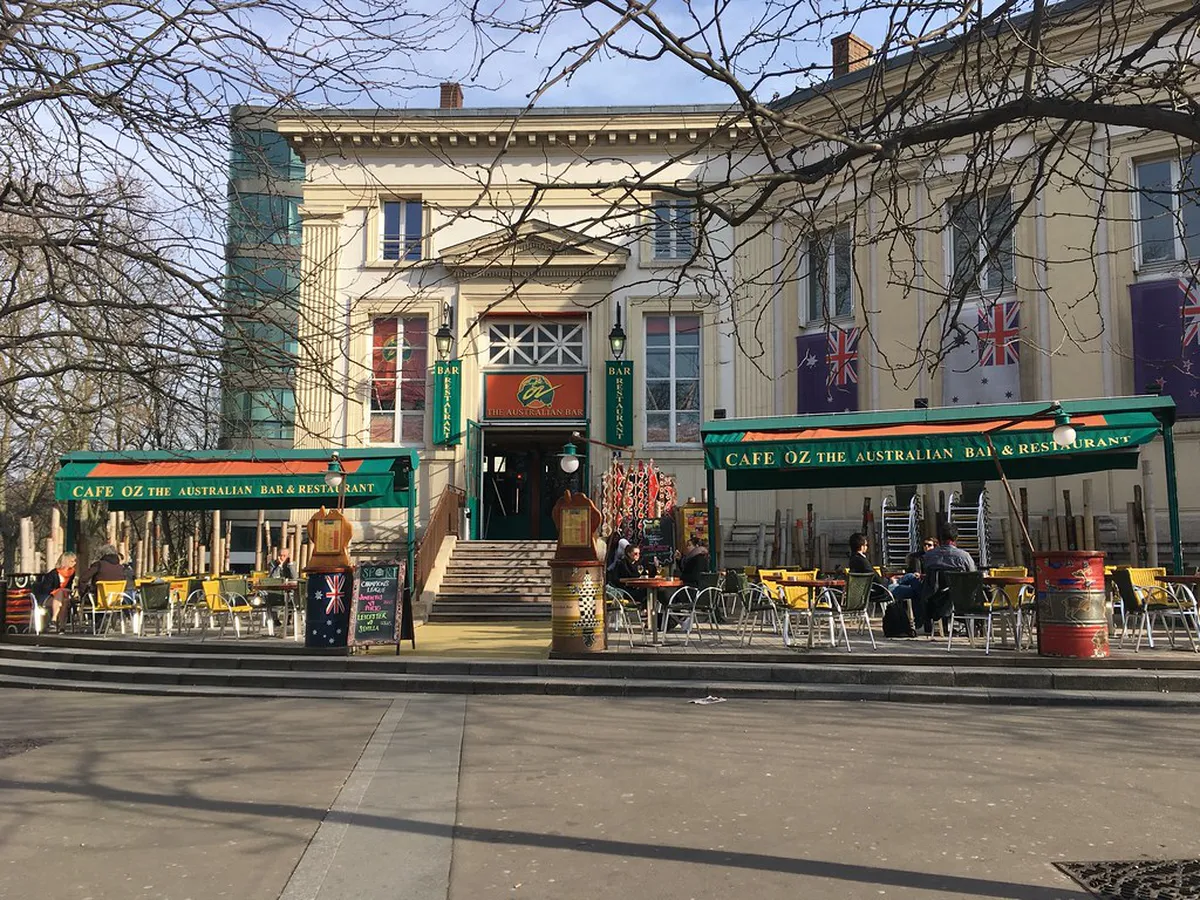
- Choose Willi's when you want a historic 1st arrondissement address near Palais Royal and Bourse. The bar has been linked with annual artist-designed wine posters since opening in 1980.
- The wine list leans toward conventional regions, including Burgundy, Bordeaux, and the Northern Rhone. Reserve if you want lunch with a glass rather than a quick standing drink.
- This is a practical first stop before Paris at night, because the central location keeps onward plans simple.
- Le Baron Rouge
- Pick Le Baron Rouge for a casual 12th arrondissement scene rather than a polished tasting room. Competitor notes repeatedly flag the weekend oyster tradition, including the well-known street-side setup.
- Go for oysters and budget-minded glasses when you want noise, elbows, and a local market feel. Avoid it if you need a calm table or detailed guidance from a sommelier.
- Weekend timing matters here. Check current hours first, then arrive early if oysters are the point of the visit.
- Le Barav
- Le Barav in the 3rd is best when your group wants a lively shop-to-table setup. Competitor notes describe it as full by 7:00 PM and popular with young Parisians.
- The value move is buying a bottle from the adjacent shop and paying corkage. One competitor source gives the corkage as €7, while the brief places typical Paris corkage around €7-€10.
- Try the mystery wine challenge if it is offered during your visit. If you guess correctly, the noted prize is a bottle.
- Delicatessen Cave
- Delicatessen Cave suits natural-wine drinkers who want orange wine, pet-nat energy, and a compact 3rd arrondissement counter. It is described as very small, so standing outside may be part of the night.
- This is not the safest pick for traditionalists. Ask for something less funky if cloudy textures or savory aromas are not your style.
- Pair it with Le Marais nightlife when you want a short walk between wine, dinner, and late bars.
- Septime La Cave
- Septime La Cave is a small 11th arrondissement stop near Charonne. It works best as an aperitif before dinner nearby, especially if you do not mind limited seating.
- Expect a compact room and a natural-wine focus. Competitor notes say the staff are patient, which helps if you are curious but not fluent in the style.
- Warm-weather visits can be easier because the crowd may spill outside. Check current status before relying on a seat.
- La Liquiderie
- Use La Liquiderie for the 11th arrondissement natural-wine lane. The brief places it among the key natural wine hotspots with Septime La Cave and Delicatessen Cave.
- This is a better match for curious drinkers than for anyone seeking a formal cellar tasting. Ask what is open by the glass before committing to a full bottle.
- Build this stop into an 11th arrondissement night when you want wine first and a louder follow-up later.
- Ambassade de Bourgogne
- Ambassade de Bourgogne is the Left Bank pick for Burgundy drinkers in the 6th. Competitor notes cite producers such as Sylvain Pataille and Drouhin.
- You can still keep the night moderate because sources mention budget-friendly glasses for the Latin Quarter crowd. That makes it useful when you want Burgundy without ordering a serious bottle.
- This is a stronger fit for classic palates than for natural-wine experimentation. Ask for a Burgundy by the glass if the bottle list feels too deep.
- Dilettantes Cave a Champagne
- Dilettantes is the 6th arrondissement choice for grower Champagne from small producers. Book ahead for basement tastings, because competitor notes say you cannot simply arrive and request a tasting flight.
- The brief lists a Terroir tasting at about 4 glasses for €45. That makes it one of the clearest price anchors in this guide.
- Choose it when you want instruction and producer context. Skip it when you need a flexible walk-in glass before dinner.
- Folderol
- Folderol in the 11th pairs natural wine with artisanal ice cream. It is the most useful pick when the night needs dessert rather than another plate of charcuterie.
- Sources mention olive oil ice cream as a crowd favorite when available. Check the current selection before treating one flavor as guaranteed.
- Use Folderol after dinner, then move toward Paris cocktail bars if your group wants spirits after wine.
- La Cave du Paul Bert
- La Cave du Paul Bert is an 11th arrondissement choice for wine with specific small plates. Competitor notes name truffle deviled eggs, terrine de campagne, and Brittany oysters.
- The room is small, so arrive early if you want a place rather than a hopeful wait. This is still a wine-bar stop, not a full Bistrot Paul Bert dinner.
- It works well when one person wants food with substance and another wants to focus on the bottle.
- Freddy's
- Freddy's near Saint-Germain is a practical 6th arrondissement pick for bar seating and small plates. Competitor notes name zucchini fritters alongside the wine list.
- Solo travelers should keep Freddy's on the shortlist. A counter seat feels easier than taking a full table in a tiny cave-a-manger.
- Use it before a Left Bank dinner, or as a softer alternative to the standing-room natural-wine counters in the 11th.
- Divvino Marais
- Divvino Marais gives the 3rd arrondissement a more structured tasting option. Competitor notes describe an upstairs wine shop and a downstairs bar for tastings.
- One cited tasting includes 4 wines from 4 regions with cheeses. A competitor page also lists daily opening from 12:00 PM to 10:00 PM, but check current hours before relying on that.
- Start here if you are already planning Marais nightlife and want an easier Monday or Sunday candidate than many wine bars.
Paris Wine Bar Neighborhoods: Which Area Fits Your Night
The 3rd arrondissement is the easiest choice for high-energy wine bars near the Marais. Le Barav, Delicatessen Cave, and Divvino Marais all suit short-hop evenings where one glass can become two. The 11th is stronger for natural wine, small rooms, and places where you may stand. Septime La Cave, La Liquiderie, Folderol, and La Cave du Paul Bert all fit that pattern. The 6th is better for classic wine learning. Dilettantes gives you grower Champagne, Ambassade de Bourgogne centers Burgundy, and Freddy's works well for solo bar seating. The 1st is best when sightseeing controls the schedule. Willi's is useful near Palais Royal, and central plans can continue toward Paris jazz clubs after a glass.
Ordering, Corkage, and Price Moves in 2026
Start by deciding whether you want a glass, a bottle, or a tasting. A glass is best when you are still learning your style. A bottle works better for 3 or more people, especially at shop-connected bars. At Le Barav, a competitor source cites €7 corkage when you buy from the adjacent shop. The wider brief gives a typical Paris corkage range of €7-€10. Dilettantes offers a clearer tasting format, with the brief noting about 4 Champagne glasses for €45. O Chateau is not in the main 12, but one competitor note lists a Grand Cru tasting at €169, which shows how quickly formal tastings can move into splurge territory. Ask for a decouverte when you want the staff to guide a tasting direction. If you want a cleaner profile, say you prefer classic, fresh, or not too funky.
For 3 or more people, a shop bottle with corkage fits a slower shared stop, while Dilettantes suits drinkers who want a booked Champagne lesson instead of a flexible before-dinner glass.
| Choice | Best For | Brief-Sourced Cost Signal | Watch-Out |
|---|---|---|---|
| Glass | Trying one style before dinner | No fixed source price supplied | By-the-glass lists can be short |
| Shop bottle plus corkage | Groups of 3 or more | Le Barav corkage cited at €7; brief range €7-€10 | Confirm the current corkage before opening |
| Booked tasting | Structured learning | Dilettantes Terroir tasting about 4 glasses for €45 | Basement tastings require booking |
Natural Wine Without the Wrong Surprise
Natural wine is a major part of Paris drinking culture, but it is not one flavor. Some bottles taste bright and clean. Others can be cloudy, cidery, earthy, or slightly oxidative. That is why Delicatessen Cave, Septime La Cave, La Liquiderie, and Folderol are best for drinkers who enjoy surprise. Traditionalists should start with Willi's, Ambassade de Bourgogne, Dilettantes, or Freddy's. Orange wine is not rose, and pet-nat is not standard Champagne. Ask what the glass tastes like before ordering. Staff can usually steer you toward Loire, Jura, Burgundy, Champagne, or something more experimental. If the first glass is too funky, switch styles rather than writing off the whole category.
Use natural-wine spots as early, flexible stops: the 11th has the strongest cluster, but tiny rooms can mean standing, and walk-in timing around 7:00 PM matters more than picking the trendiest bottle.
Small Plates, Not a Restaurant Roundup
Plan wine bars around snacks, not dinner guarantees. Le Baron Rouge is tied to oysters in competitor notes, especially on weekends. La Cave du Paul Bert is useful for truffle deviled eggs, terrine de campagne, and Brittany oysters. Freddy's is noted for zucchini fritters. Folderol changes the equation with ice cream, including olive oil ice cream when available. Le Barav can work with charcuterie, especially when your group shares a shop bottle. Many caves do not behave like bistrots, so check the menu before promising dinner to a hungry group. For a meal-first evening, use Paris bars as the later stop rather than forcing a cave-a-manger to do restaurant work.
Reservation and Closure Mistakes to Avoid
The first mistake is arriving at 8:30 PM and expecting a table at a tiny walk-in bar. For Le Barav, one competitor note says it was full by 7:00 PM. Treat 7:00 PM as your practical target for no-reservation spots. The second mistake is ignoring Monday and Sunday. Many Paris wine bars close on one or both days. Divvino Marais is useful to check because one 2026 competitor page lists daily hours from 12:00 PM to 10:00 PM, but verify before going. Dilettantes needs booking for basement tastings. Willi's is also a place where reserving helps, especially for lunch. When the wine plan fails, redirect toward rooftop bars or a late cocktail route.
How to Build a Full Paris Night Around Wine
Keep the wine portion tight unless the bar is the whole point. In the Marais, start with Divvino or Le Barav, then move into dinner or Gay Nightlife Paris Guide: Le Marais Bars, Clubs, Drag and Queer Parties nearby. In the 11th, use Septime La Cave, Folderol, or La Cave du Paul Bert before a louder late stop. The 12 Best Paris Clubs for Nightlife: Top Venues & Local Tips (2026) make more sense after food than after a tasting flight. For a slower night, drink one bottle with corkage, then move to jazz. For a view-led night, keep the wine stop early and save the last drink for a rooftop. Paris rewards short distances and clear sequencing more than a long cross-town bar crawl.
Further reading: Paris on Wikivoyage · Paris on Wikipedia
Frequently Asked Questions
What is the best area for wine bars in Paris?
The 3rd and 11th arrondissements are the strongest areas for lively and natural-wine bars. Choose the 6th for Burgundy, grower Champagne, and Left Bank counters.
Do Paris wine bars need reservations?
Some do, especially tastings and lunch-focused classics. Dilettantes requires booking for basement tastings, while small walk-in bars are easier near 7:00 PM.
What does cave-a-manger mean?
A cave-a-manger is part wine shop and part small-plates bar. Expect bottles, glasses, cheese, charcuterie, oysters, or snacks rather than a full restaurant menu.
How much is corkage at Paris wine bars?
The brief gives a typical corkage range of €7-€10. Le Barav is cited at €7 when you buy a bottle from the adjacent shop.
Which Paris wine bar is best for Champagne?
Dilettantes Cave a Champagne is the clearest pick for grower Champagne. The brief notes a Terroir tasting with about 4 glasses for €45.
Are natural wine bars in Paris good for beginners?
They can be, if you ask direct questions. Say you want something clean, fresh, or not too funky if cloudy orange wine is not your goal.


